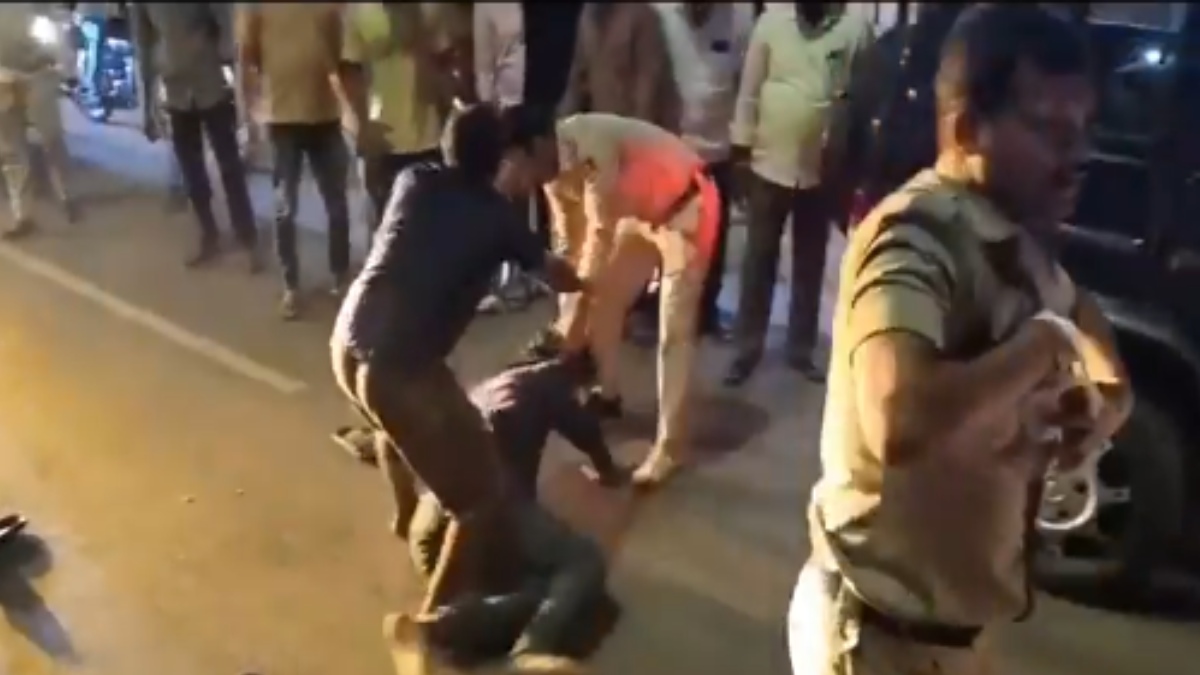
Spanish Prime Minister Pedro Sánchez has called a snap general election for November 29, bringing Spain's national vote forward after his minority government suffered a major parliamentary defeat over emergency housing measures. A wave of public anger over ever-higher rents, housing costs and evictions is spreading from home and there are protests across the country.
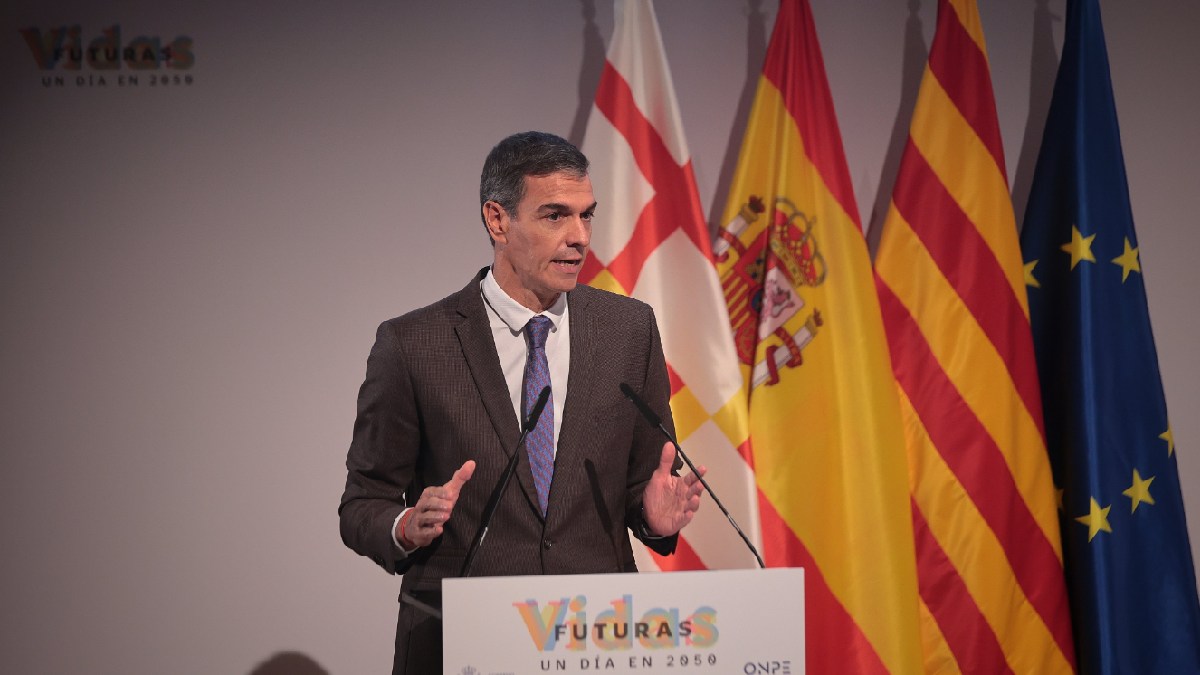
Sánchez announced the early election on October 5 after Spain’s Congress rejected two government-backed housing decrees on October 2. The measures were presented as an urgent response to the country’s worsening housing crisis, but the government was unable to secure enough parliamentary support for them.
The election was not expected until 2027. By moving the vote to November 29, Sánchez is hoping for a new mandate and a stronger parliamentary position for his government. He said in his televised address Spain needed to renew and broaden public support and that a bigger progressive majority would make the government more able to pursue its programme more effectively.
Housing Crisis Pushes Spain Toward Early Election
Housing has become one of the most politically sensitive issues in Spain, where renters are being besieged by higher costs and lack of affordable housing. Public anger was only heightened when the eviction of an 87-year-old woman from her Madrid home became a symbol of the country's housing problems.
The incident helped fuel demonstrations for better protection for tenants and action against rising housing costs. More than 70,000 people turned up to protest in Madrid on October 3, and demonstrations have also been staged elsewhere in Spain.
Sánchez’s government attempted to respond with two emergency decrees on housing protection and rental stability. They included efforts to extend certain rental contracts, strengthen protections for vulnerable tenants facing eviction and put restrictions on property buying and speculation.
However, both measures were rejected by Congress. The first decree was defeated by 178 votes to 172 with the People's Party, Vox, Junts and UPN voting against it. The second housing measure was also rejected and the government was left with no legislative package it had announced to address the crisis.
What Pedro Sanchez Said After The Defeat
Sánchez framed the election as an opportunity for voters to choose what will happen next in the future of the country. He defended the performance of his coalition government and pointed out that the economy grew and policies he implemented during his government were successful and the country grew economically.
Sánchez has been Spain’s prime minister since 2018 and has governed through changing parliamentary alliances. His current government has been unable to bring legislation through as it is not a majority of its own, so smaller parties have to play a role in such big changes.
The housing vote demonstrated how difficult it was to maintain that parliamentary support. The decision to reject the two decrees was reached after negotiations to get enough votes, but the government ultimately failed to get the measures through Congress.
The early election will therefore give Sánchez the opportunity to seek a clearer parliamentary mandate. At the same time, it puts his Socialist Party and its coalition partners under renewed electoral pressure.
Sanchez Government Faces Other Political Challenges
Sánchez’s housing is not the only problem facing him now, as Spain moves toward an election. His government is also facing corruption-related controversies around people close to him and figures linked to the Socialist Party.
Migration remains a politically sensitive issue. As the government has been dealing with the situation of migrants in Ceuta, the Spanish enclave in North Africa, and a huge influx of them earlier in 2026.
And these issues have added to the political pressure on Sánchez as he gears up for the November elections. The prime minister has defended his own record - and for Spain, he argues, has been the economic performance and social policies have been key to his government’s achievement.
The campaign is therefore likely to cover quite a range of issues and housing will remain one of the most important issues for voters.
Why The November 29 Election Matters
The November 29 election will determine the composition of Spain’s next parliament and could decide whether Sánchez is able to continue governing with a progressive coalition or if a different parliamentary configuration emerges.
The political environment is fragmented, so the final outcome will depend not only on the performance of individual parties but also on their ability to secure parliamentary support for forming a government.
For Sánchez, the immediate goal is to go from a minority-government environment to a stronger mandate. His announcement specifically called for a broader progressive majority that could help his government to pass legislation.
Opposition parties, on the other hand, welcomed the decision to hold an early vote. The People's Party has the largest number of seats in parliament and Vox is still an important force on the right. The election will decide whether Spain’s fragmented political system will lead to another coalition arrangement or to a different governing structure.
Housing Likely To Remain Central During Campaign
The government’s housing measures were broken down and so the affordability crisis will be a key campaign issue. The rejected decrees had included provisions regarding vulnerable tenants, rental stability and measures to make affordable housing more accessible.
Sánchez’s defeat has also made clear the difficulty of converting public pressure into legislative action. The government said urgent action was needed but opposition parties and other groups were not on board with the proposed package.
As Spain is heading toward the November 29 elections, voters will therefore be asked to choose a new parliament amid concerns over housing, the economy, migration and political governance. Sánchez’s decision to call a general election almost a year before the time planned for it is a huge change in Spain’s political calendar.
The vote will also be a test of whether the prime minister can turn the housing crisis and his government’s recent legislative defeat into a new mandate. For now, the immediate focus shifts to the political campaign in which housing is, most likely, one of the most closely watched issues.