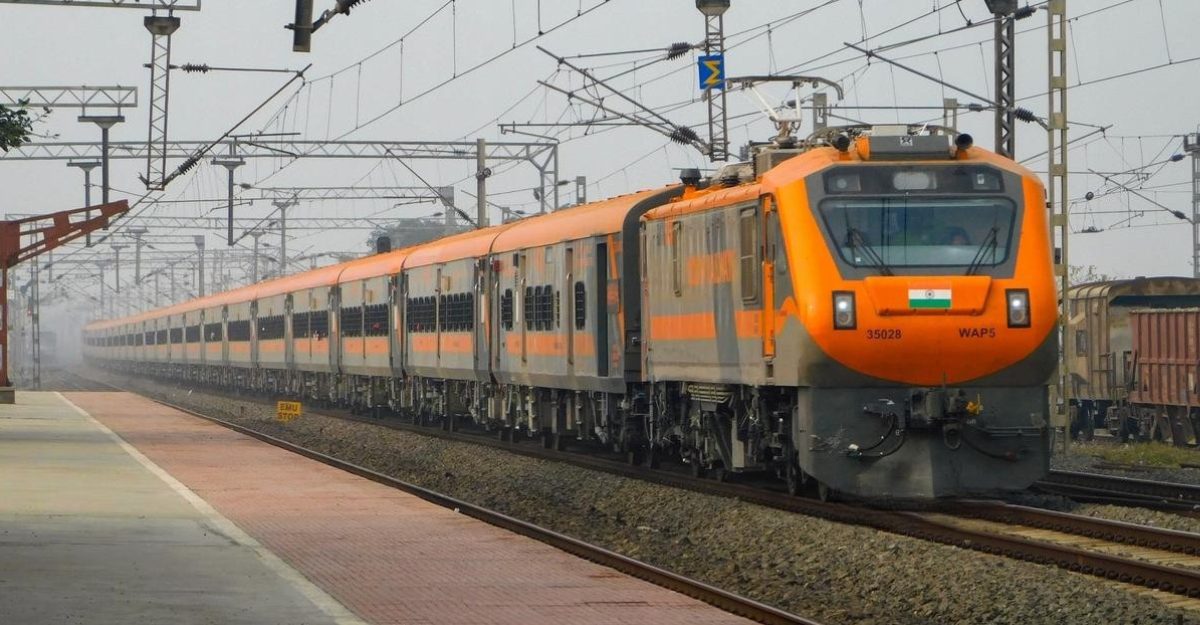
Zoho founder Sridhar Vembu has once again become the focus of public attention not for a product launch or a policy pitch, but a simple, striking image
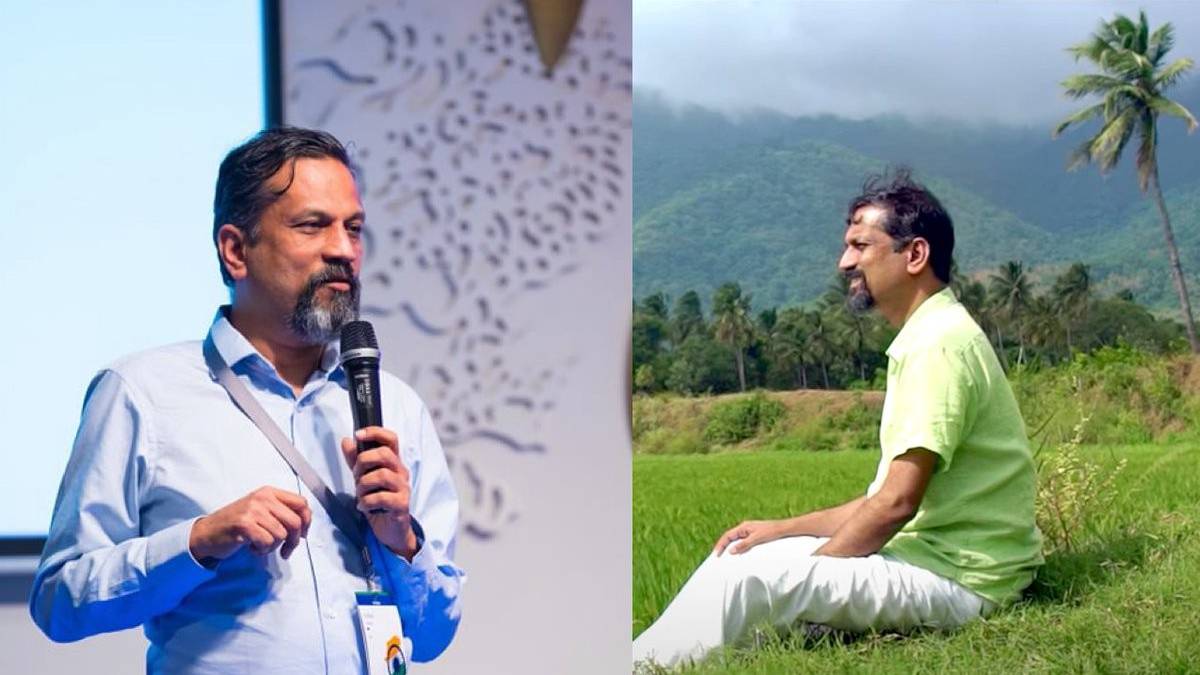
The tech billionaire boarding Japan's famous bullet train dressed in a traditional veshti, the South Indian dhoti typically worn in Tamil Nadu.
The picture, which quickly circulated on social media, shows Vembu stepping onto the Shinkansen platform without any of the usual Western business attire one would expect from a global software CEO.
No suit. No tie
Vembu has long cultivated a rural image of simplicity and cultural pride and has been known to make a transition from Silicon Valley boardroom to rural Tamil Nadu.
Photographs of him cycling through villages, sitting beside paddy fields, or going to official functions in traditional clothes have become familiar to some and his public face as a “back to roots” entrepreneur is no longer in doubt as he runs one of India’s most successful bootstrapped software companies.
The bullet train appearance was part of Vembu’s latest mission in Japan, where he has been travelling to build partnerships between small and mid-sized Japanese manufacturers and rural Indian businesses.
The plan, inspired by his long-time friend “Britto-san,” who founded Takumi Motion Controls, aims to bring Japan’s precision manufacturing philosophy often referred to as Takumi, which means master craftsman to small towns and villages across India.
Vembu has framed the effort as a way to bring back India’s own traditions of craftsmanship and has said that the Tamil word Aasaari and Sanskrit “Vishwakarma” are the words spoken in traditional Indian languages.
Vembu has never been shy about his admiration for Japan’s infrastructure and industrial culture. He has referred to Japan's railway system as one that can be similar to India, with Japanese suburban railway networks connecting stations with malls, hospitals, and commercial centers.
He’s also contended that India’s high-speed rail ambitions such as the bullet train in Mumbai with Japanese Shinkansen technology might eventually shorten travel times between major cities to a few hours, decreasing the reliance on domestic air travel.
For many, the veshti-on-the-Shinkansen image is a reminder of that contrast: a brand of ultra-modern Japanese engineering interspersed with an unmistakably traditional Indian garment.
It’s a visual metaphor for Vembu’s larger concept that accepting global technology and innovation doesn’t mean losing one’s cultural identity.
Social media users were quick to celebrate the moment and called it a proud representation of Tamil heritage on the world stage. For others, it was a logical fit with Vembu’s carefully curated image of a “simple, grounded entrepreneur” a persona that has also been under attack and questioned from the outset for being political.
No matter how the photo is interpreted, it’s another chapter in Vembu’s growing reputation as one of India’s most unconventional tech leaders at home in a server room, a rice paddy, or now a Japanese bullet train.