Trump’s administration has also said it has put restrictions on the use and procurement of foreign-made humanoid robots in federal agencies and will reshape the rapidly growing robotics industry.
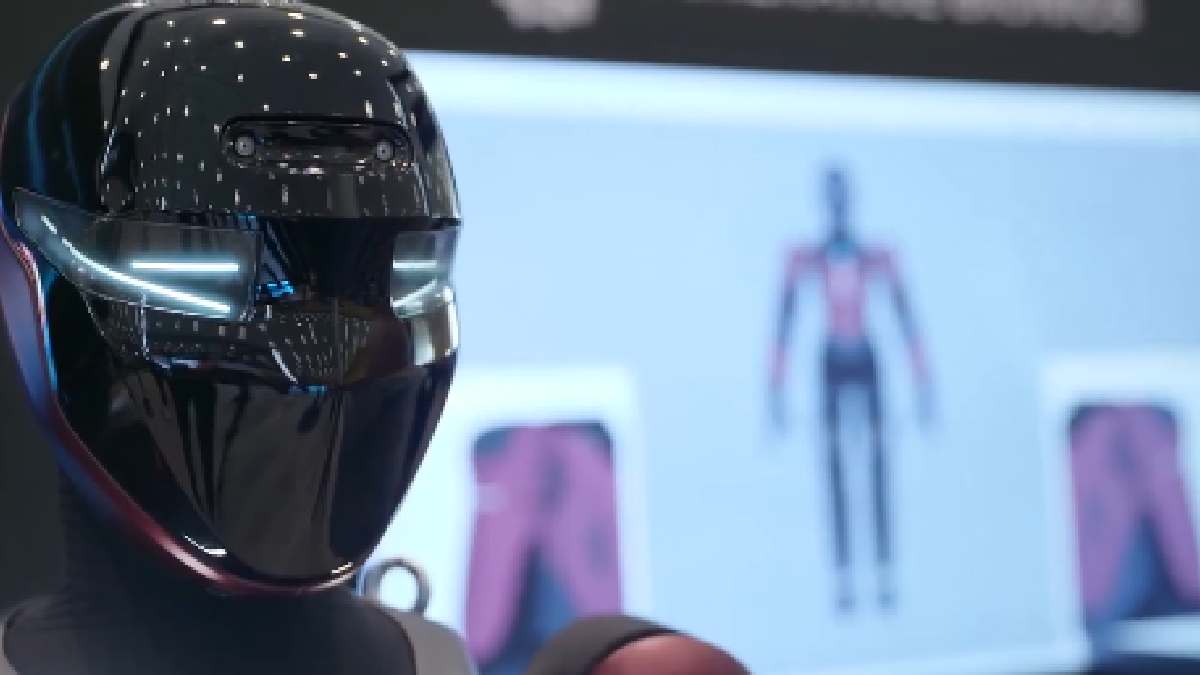
The policy is to strengthen national security, reduce reliance on foreign technology and support domestic manufacturing, officials say.This comes as countries around the world race to develop advanced humanoid robots capable of carrying out industrial, healthcare, logistics, and defense-related functions.
What is the ban
The reason behind the restriction is security, the government officials say. Humanoid robots with cameras, microphones, sensors and AI systems can collect vast amounts of data from their surroundings. Robots made by foreign companies are also thought to pose a risk of exposing sensitive government data or critical infrastructure to cybersecurity risks, the authorities say.
The administration also wants to reduce reliance on foreign supply chains, especially in sectors that are strategically important. Similar concerns have influenced telecommunications equipment, semiconductor manufacturing and artificial intelligence technology policies in the past.
Could Tesla's Optimus Benefit
Industry experts believe Tesla's Optimus humanoid robot is likely to be the best beneficiary if federal agencies will now make more of a push for American-made robotic systems.
Tesla has been investing heavily in Optimus, which is built to work at repetitive, physically demanding, and potentially hazardous tasks. Elon Musk has repeatedly stated that humanoid robots are the future multi-trillion dollar market and that they could eventually become more common than cars.
If government contracts and domestic incentives increasingly favor U.S.-manufactured robots, Tesla and other American robotics firms could gain a significant competitive advantage.
Impact on the Global Robotics Industry
The policy could have a far-reaching impact beyond government procurement. Foreign robotics manufacturers on the U.S. market may face additional scrutiny or barriers for getting into the U.S. market, and American companies could receive greater investment and policy support in the form of better investment and policy support.
And it may also encourage robotics manufacturing in the United States to grow and create jobs and strengthen domestic supply chains. In the short term, however, some industry analysts say that curbing international competition will restrict innovation and increase costs.
A Growing Global Race
Humanoid robotics is one of the fastest growing technology sectors. Companies in the United States, China, Japan and Europe are investing billions of dollars in robotics to help factories, warehouses, hospitals and even homes.
As AI capabilities continue to improve, governments are increasingly treating robotics as a strategic industry similar to semiconductors and advanced computing.
Whether the new policy is primarily for national security or provides a competitive boost to American companies like Tesla is to be seen.
But it is clear that the global race to build the world's most capable humanoid robots is intensifying and governments are playing an increasingly active role in shaping the future of this field.