
President Donald Trump’s administration took a surprise diplomatic move by sending CIA Director John Ratcliffe to Moscow for a surprise meeting with Russian intelligence officials.
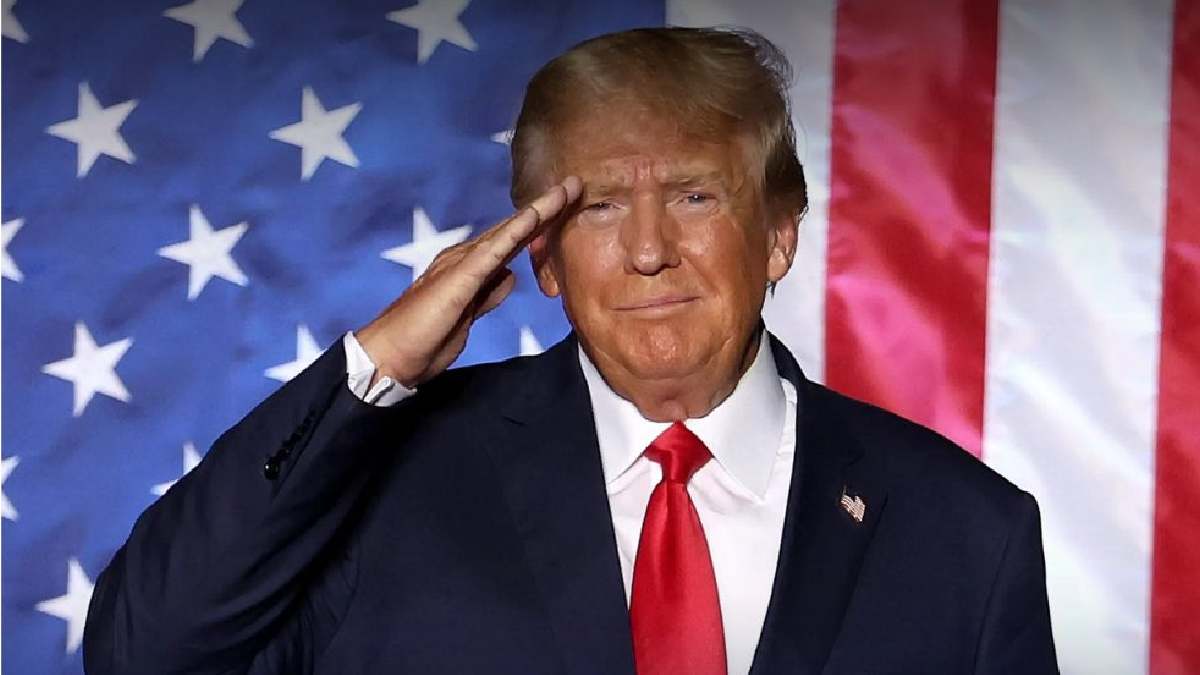
Details of the trip were kept unusually quiet and some senior US officials were not aware of the mission at all, even before the trip.
Ratcliffe flew to Moscow on August 25 in a US Air Force C-17 transport plane. His visit was not publicly announced in advance, and reports based on flight-tracking information indicated that the plane had traveled to the Russian capital.
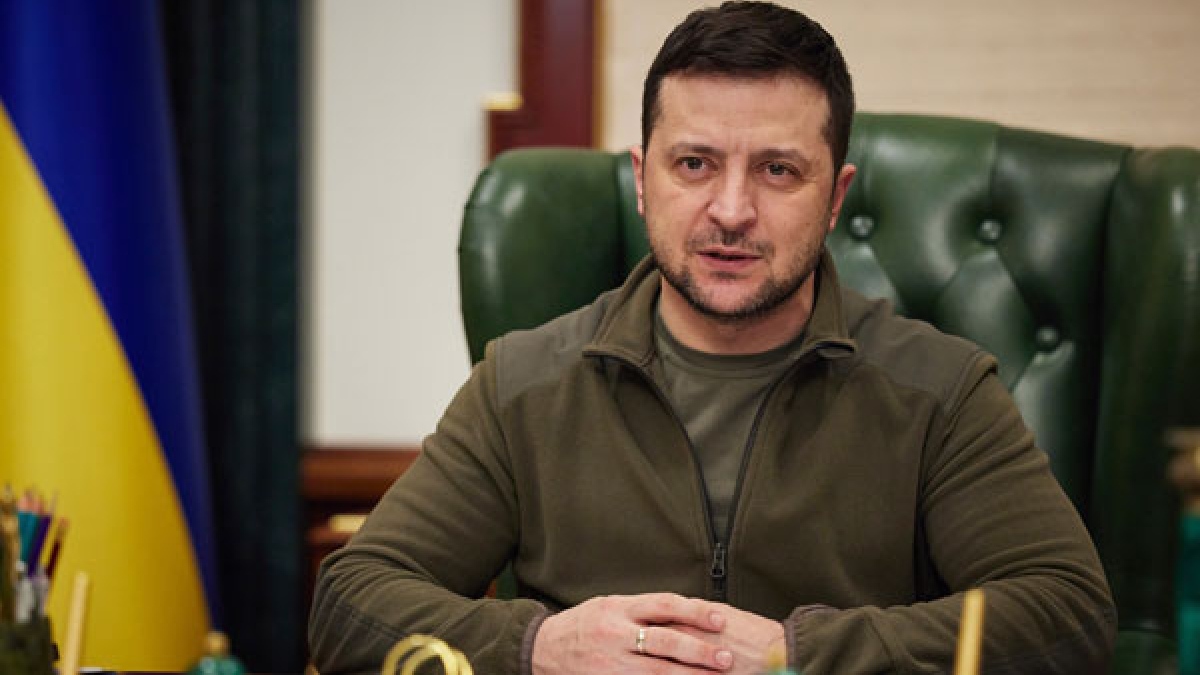
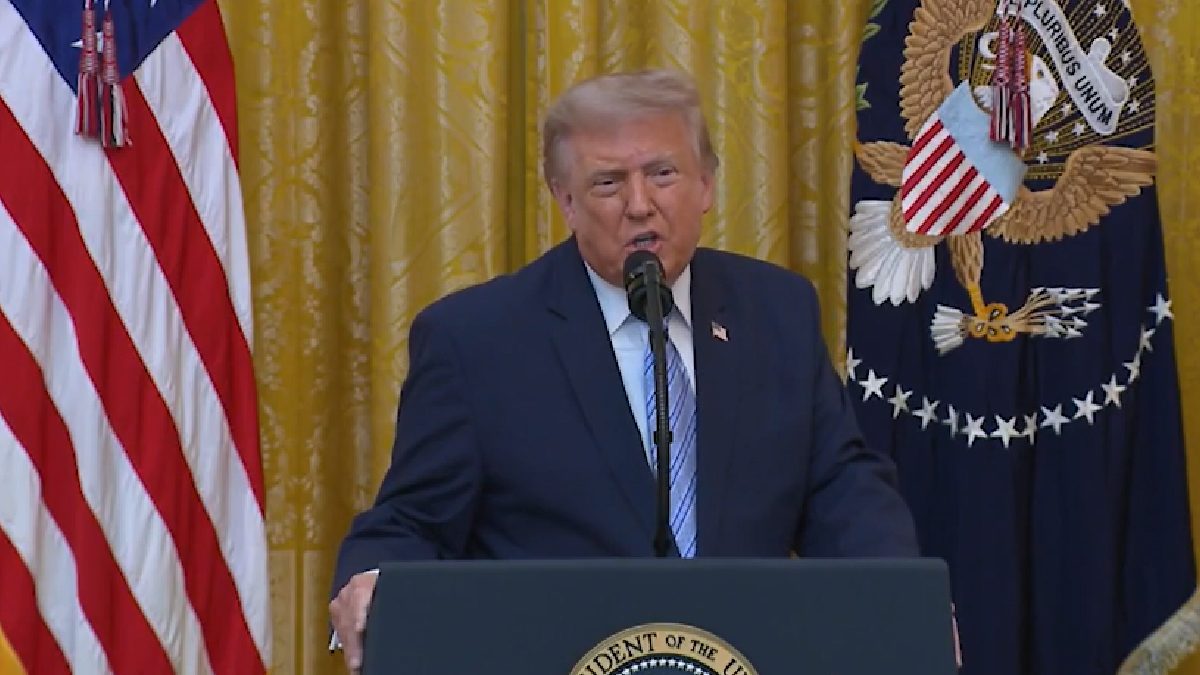
The Kremlin later confirmed Ratcliffe met Russian intelligence officials during his visit. Russian President Vladimir Putin was briefed on the discussions but did not meet with the CIA director personally.
Sergei Naryshkin, head of Russia’s Foreign Intelligence Service, also confirmed that he had met Ratcliffe. Naryshkin said the discussions were carried out as part of the cooperation between the intelligence agencies of the two countries.
The exact purpose of Ratcliffe’s Moscow tour was not entirely clear. However, US media reported that the CIA director warned Russia against attacking NATO member countries.

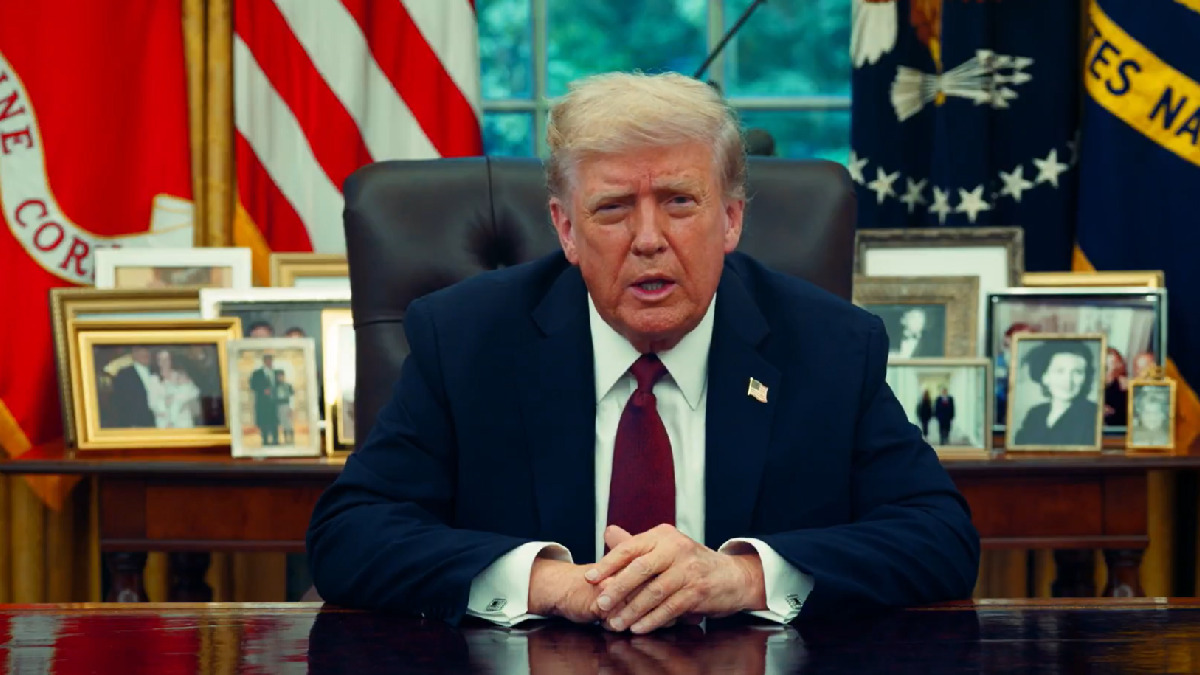
The warning comes at a time of high concern in the United States and Europe that Russia might try to test NATO’s response.
The issue has become more pressing as the Russia-Ukraine war goes on and Moscow’s rivalry with Western countries has become more pronounced.
The United States also informed Ukraine about the visit by a senior US delegation to Moscow, reports said. Kyiv was asked to suspend strikes while the American delegation was in Russia.
The secrecy around Ratcliffe’s trip and security measures added to the unusual nature of the visit. Washington and Moscow have given only limited information about what was discussed behind closed doors.
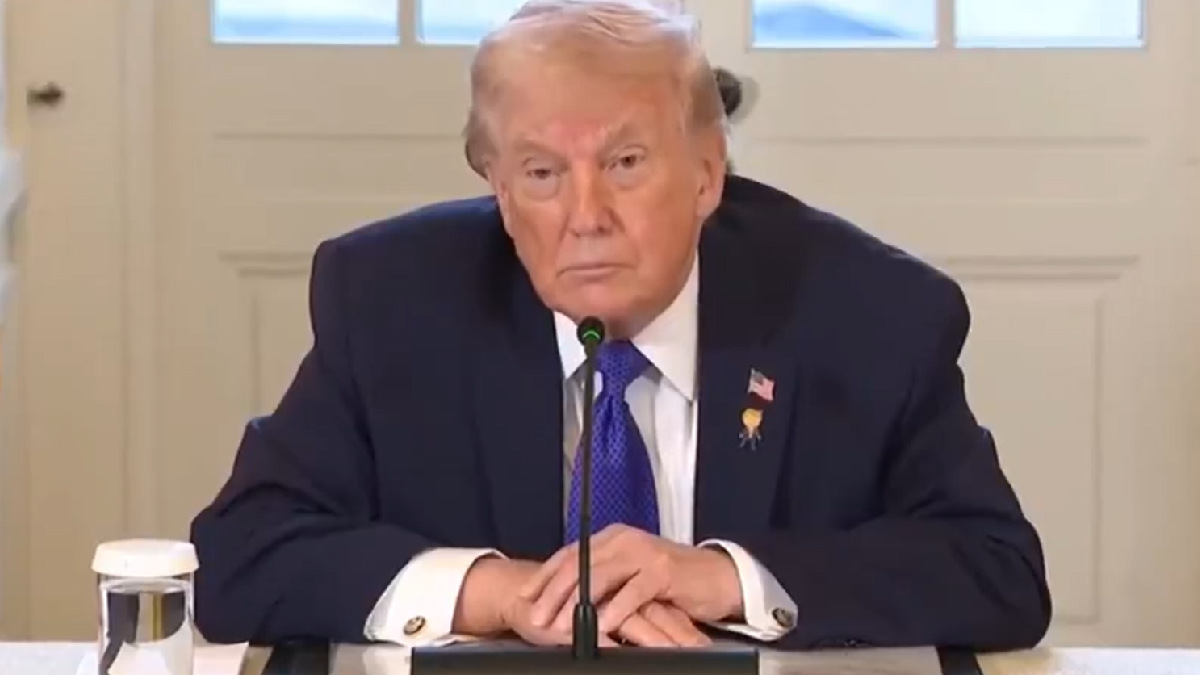
Trump has described the trip as “semi-routine” and said he hoped the conversations would result in a positive outcome. His comments come as his administration continues to work to end the war in Ukraine.
Ratcliffe’s visit is especially significant because it is the first publicly known trip to Russia by a CIA director since William Burns visited Moscow in 2021.
Burns’ visit involved delivering a warning to Russian President Vladimir Putin about the consequences if a potential invasion of Ukraine were to take place.
The Moscow mission highlights the continuing role of intelligence channels in the communication between Washington and Moscow.
The very limited public information about Ratcliffe's conversations has drawn much attention, and the warning about NATO and the timing of the trip has been widely publicized.
Just as the Russia-Ukraine conflict continues and the tension between Russia, NATO and the other countries remains unresolved, the CIA director’s unexpected trip to Moscow could be an important development in US-Russia relations.







Comments