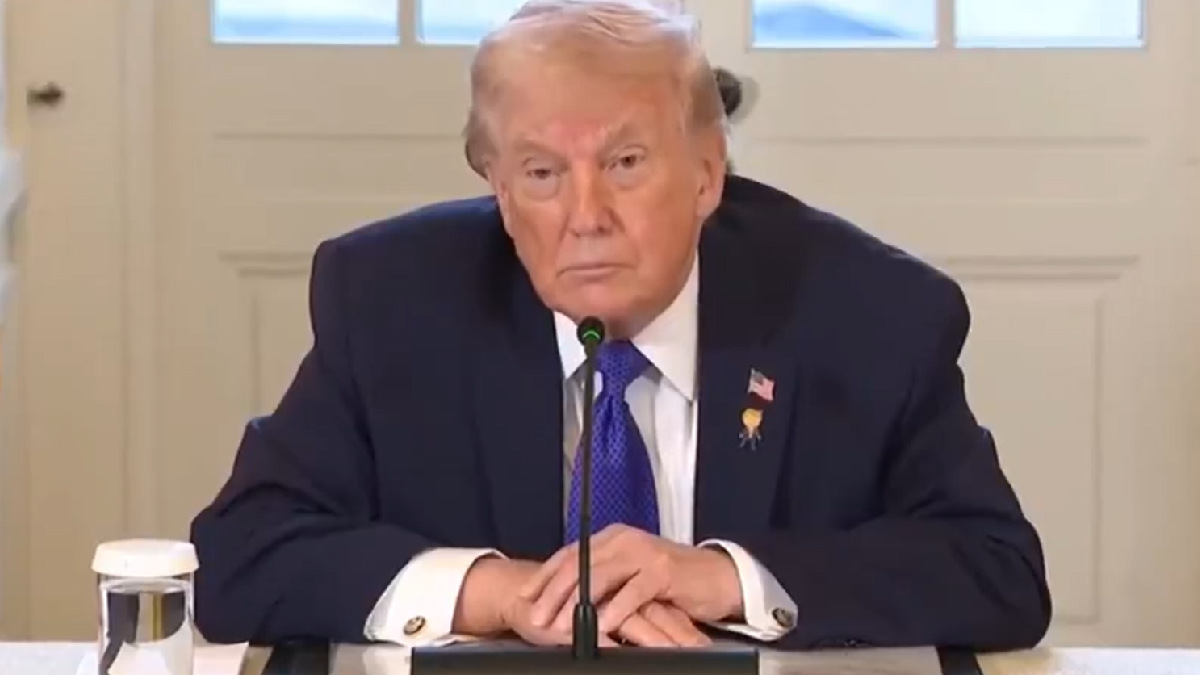
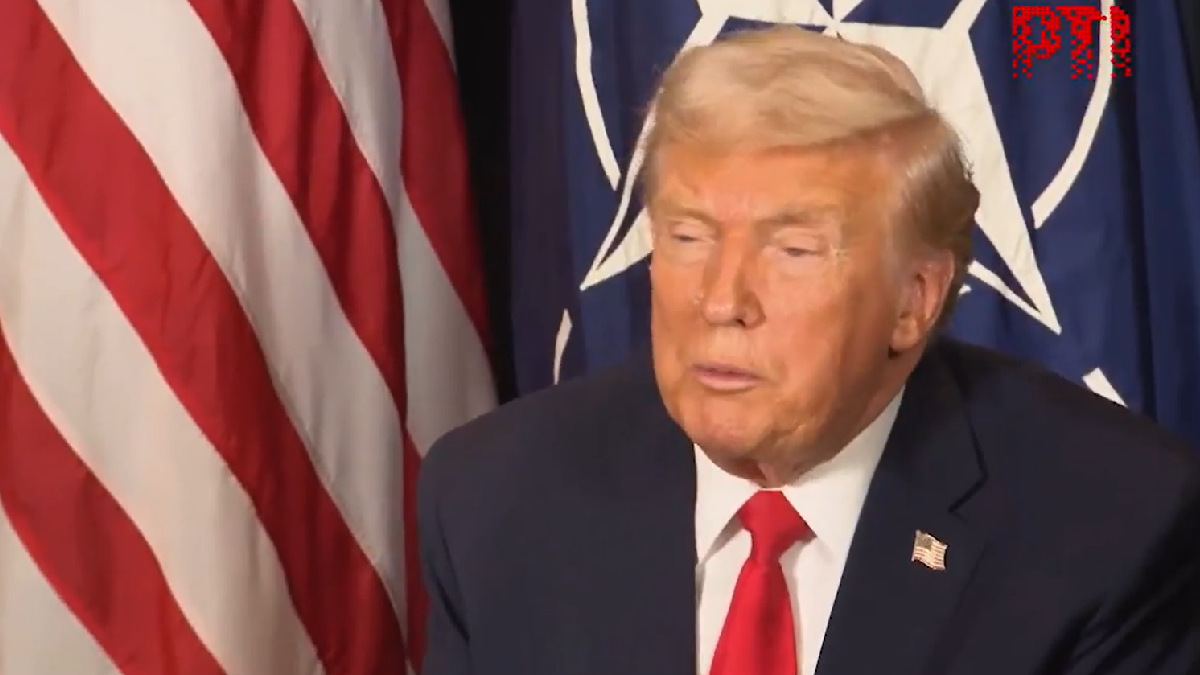
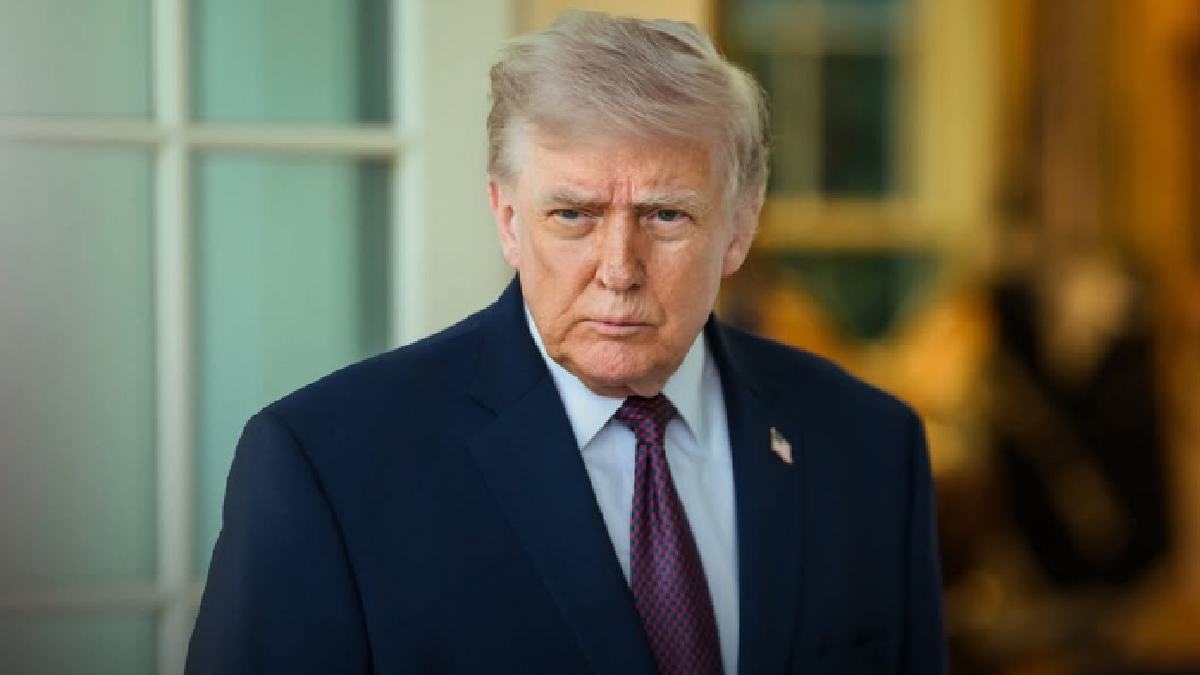
In a maneuver that has rocked the NATO alliance, President Donald Trump threatened to levy onerous tariffs on any country that resisted the United States’ claim to Greenland. Addressing a White House crowd on Friday, January 16, 2026, the President presented the control of the world’s largest island as a matter of “national security” that the U.S. would not engage in any longer, and said the U.S. will no longer tolerate European “obstruction” in the Arctic.
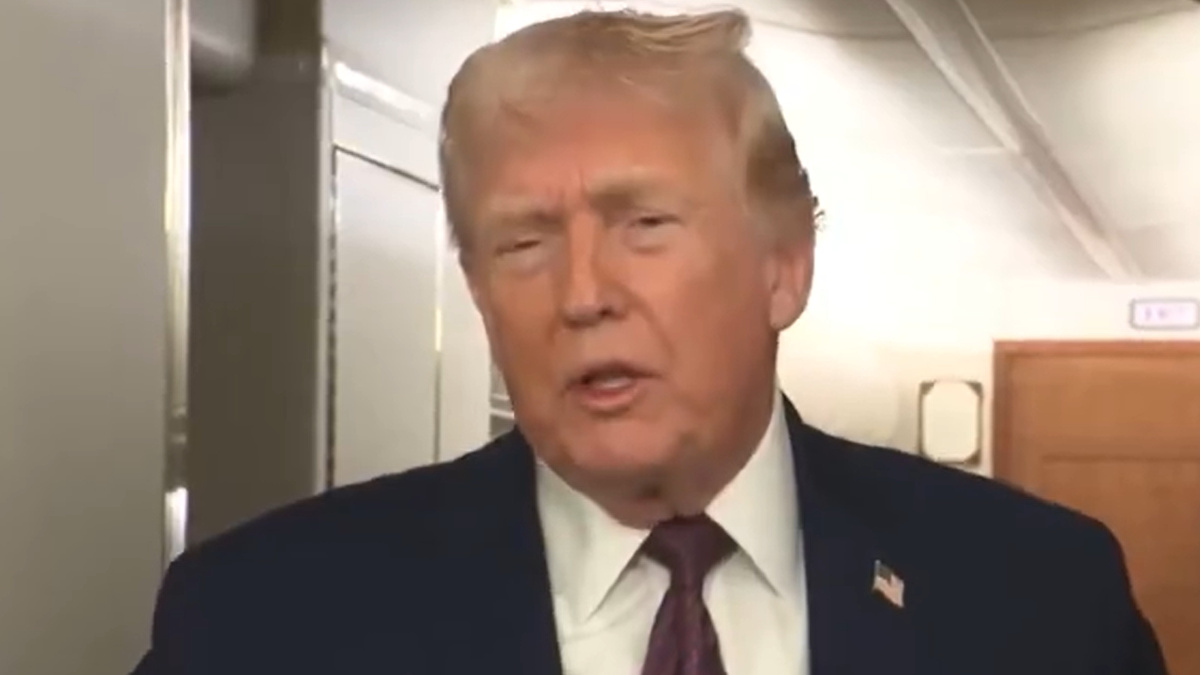
Trump was talking about parallels to his administration's use of tariffs to reduce drug prices and pressuring trade partners like Mexico and China and he said a more analogous “stick” in the economy is needed to get the stalemate in Greenland closed. “I’ll put a tariff on countries if they don’t follow along,” Trump said. “We need Greenland for national security. They’re not willing to help protect our Arctic from Russia and China, so they shouldn’t expect free access to our markets.”
The latest threat largely aims against the EU and the Kingdom of Denmark. A 15% tariff cap agreement was signed with the EU last year, but the deal is still unratified by the European Parliament — a drag that the President is now using as leverage.
Geopolitical Resistance
The ultimatum comes after a week of diplomatic tension. On Jan. 14, U.S. Secretary of State Marco Rubio and Vice President JD Vance met with Danish Foreign Minister Lars Løkke Rasmussen and Greenlandic Foreign Minister Vivian Motzfeldt. The talks also concluded on a theme of "fundamental disagreement." Denmark firmly refused to consider any move toward sales or annexation of the nation. Consequently, as the rhetoric escalates, some mainland European countries such as France, Germany, and the UK now send a nominal number of troops to Greenland to take part in a series of Arctic security activities. For a token of support of Danish sovereignty.
National Security vs. Sovereignty
The U.S. must "control Greenland" the Trump administration continues to argue, lest there be a "security hole" that Russian submarines or Chinese infrastructure investments may fill. Yet Greenland's Prime Minister Jens-Frederik Nielsen has been firm: "We are not for sale. We are a people, not an asset." Now, with the Supreme Court being tasked with determining whether the President's “emergency” tariff power under IEEPA would be legal, the international community is on its toes to see whether trading wars can successfully reshape Arctic terrain.