So far, more than 2,700 people died during a recent hot-wave period in the UK, scientists say, and more than 40 percent of them were directly connected to climate change.
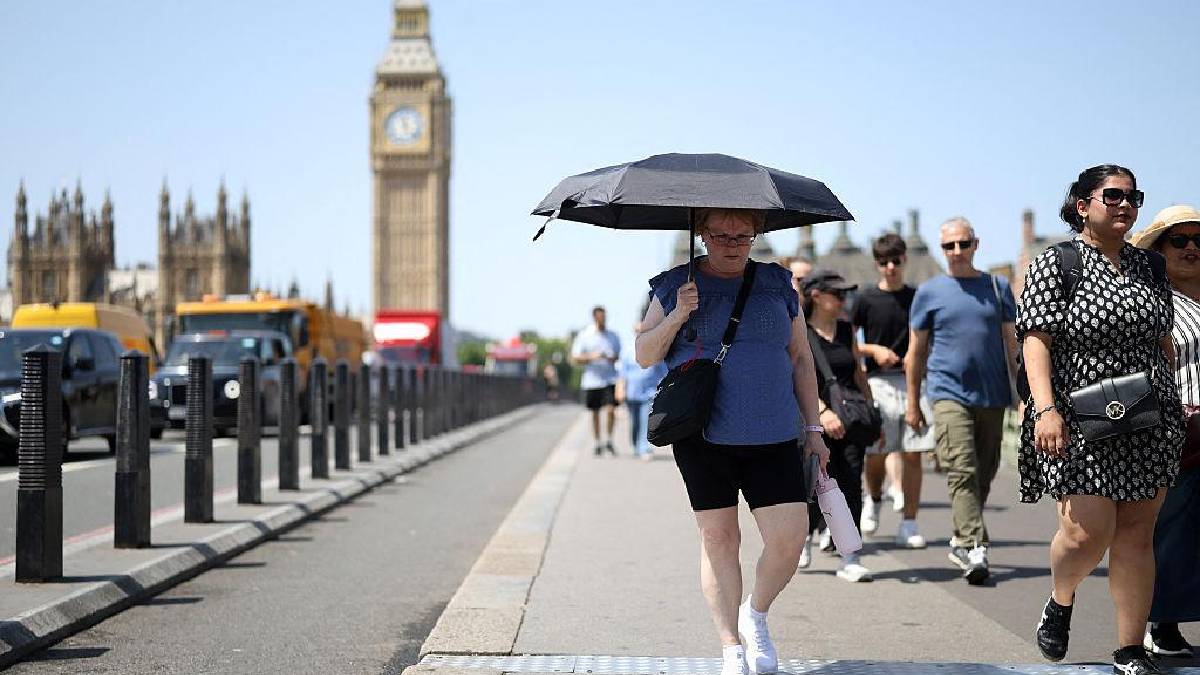
The results add to increasing evidence that global warming is making extreme weather events more frequent, intense and deadly.
The team of global climate scientists and public health experts studied mortality data at high temperatures in the UK. Climate change was also found to increase not only the intensity of heatwaves but also the death toll.
Climate Change Amplified Deadly Heat
According to the study, around 1,100 of the more than 2,700 heat-related deaths would almost certainly not have happened without climate change. And even small increases in average global temperatures, especially in extreme heat levels, can drastically raise health risks, the authors say.
Climate change has made heatwaves hotter and more frequent and this has placed a more onerous burden on healthcare systems and made vulnerable populations susceptible to dangerous conditions, scientists said.
Elderly and vulnerable most at risk
The report found that older adults, people with chronic medical issues and people living alone were the most affected by the heatwaves. High temperatures can exacerbate heart disease, respiratory diseases and kidney disease and increase the risk of dehydration and heatstroke.
Urban areas experienced particularly severe impacts due to the urban heat island effect, where buildings, roads, and concrete surfaces absorb and retain heat, keeping temperatures higher than surrounding rural areas.
Experts Call for Urgent Action
The findings underscore the urgent need for governments to be more efficient at climate action and public health preparedness. Green spaces, building insulation, early warning systems, community cooling centres and the like would be measures to reduce lives lost due to heat-related deaths.
However, reducing greenhouse gas emissions is the only way to keep the temperature from increasing and prevent more severe heatwaves in the coming decades.
A Growing Global Concern
The UK is not the only one to contend with health effects of extreme heat. Europe, North America and Asia have seen record-breaking temperatures in recent years and thousands of excess deaths reported in hot weather events.
The study is yet another reminder that climate change is more than just a distant environmental problem, it is a public health issue. And scientists say that unless countries invest in climate adaptation and accelerate the reduction of carbon emissions, heat-related deaths will be on the rise.
The researchers hope these findings will motivate policymakers to treat extreme heat with the same urgency as other natural disasters and to take more protective measures for the most vulnerable when it comes to protection from heat in future heatwaves.