The United States is imposing a 50% tariff on a wide range of Canadian imports by way of the Trump administration’s expansion of a global trade policy and raising concern about a new wave of global trade tensions. Just days later, Washington imposed 25% tariffs on Brazilian goods in response to Brazil on July 25th on a tariff of 25% on all its goods, and the United States is threatening to impose a 40% tariff on Brazilian goods as well, in the wake of the global trade tensions.
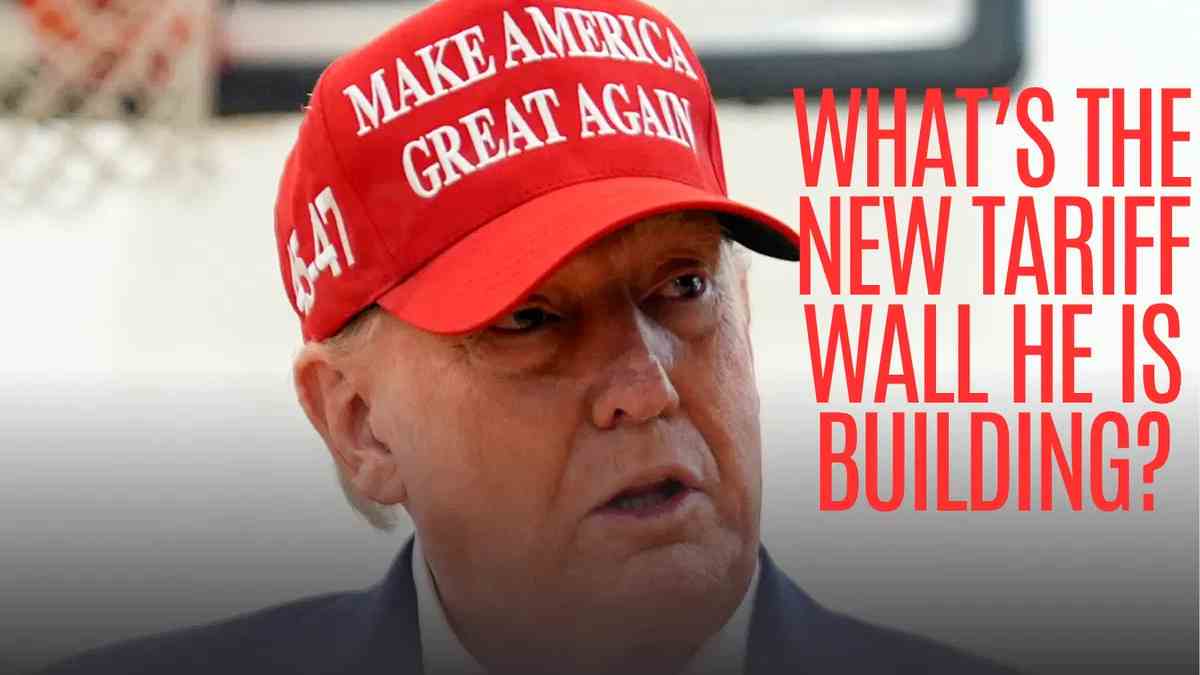
The new tariffs are part of broader trade actions initiated under Section 301 of the US Trade Act of 1930, with many countries currently under investigation for unfair trade practices. The measures would reshape global supply chains, raise prices and trigger retaliatory responses from affected countries.
Canada Faces 50% Tariff
The U.S. administration is targeting a wide range of Canadian products in the tariffs - including products previously covered under the USMCA.
The White House has justified the move by saying Canada has trade policies that disadvantage American products, in particular in sectors like:
Automobiles, dairy products, alcoholic beverages.
But some strategic commodities will remain exempt from the new tariff, including:
Energy products, potash, fish, critical minerals.
The 50 percent tariff is expected to go into effect 30 days after the announcement, leaving Washington and Ottawa to go to talks.
Brazil Already Hit With 25% Tariff
Brazil became the first country affected under the latest Section 301 actions after the US announced 25% tariffs on its exports. Those duties are set to take effect on July 22.
The two tariffs signal an overall harder US stance on international trade on the back-to-back tariff announcement as the administration seeks to protect domestic industries and oppose unfair trade practices.
Why is the US imposing new tariffs?
The new tariffs are coming after the Trump administration’s worst legal setback earlier this year when the US Supreme Court ruled that the 2025 retaliatory tariffs under the International Emergency Economic Powers Act (IEEPA) were unconstitutional.
As those duties were struck down, the administration has increasingly turned to Section 301 investigations as an alternative legal framework to impose trade restrictions while also generating additional government revenue.
Could India be next?
Now the focus is on India, which is also under pressure from the US on its continued purchases of Russian crude oil.
If Washington is to impose even more stringent penalties on India for energy imports, India could face even stronger trade penalties, they say. There has been talk that tariffs might be as high as 100%, but no final decision has been made by US authorities.
Trade experts say discussions between the two countries are ongoing, and any future trade negotiations and wider geopolitical interests will depend on diplomatic negotiations and trade with both countries’ political dynamics and global changes, and will guide any future tariffs as well.
Potential Global Impact
Economists warn that rising tariffs between major trading nations could have several consequences:
Higher prices for imported goods, higher costs for manufacturers dependent on global supply chains, slower international trade growth, uncertainty in global financial markets, and trade-related tariffs from countries hit by the tariffs.
If more countries come under the same trade actions and even more nations have the same approach, then businesses and consumers worldwide would be in more economic stress.
What are some theories of what happens next?
Canada has not yet announced its response, but negotiations will take place before the tariffs go into effect. Brazil is also thinking through the effects of the new duties, and countries under Section 301 investigations are closely monitoring developments.
With trade tensions once again blowing up global headlines, the weeks ahead will be crucial to determine whether diplomacy can hold back a global trade war or we are heading toward another round of global tariffs.