A fresh wave of violence has erupted in the Middle East after U.S. and Saudi Arabia jointly launched strikes at positions held by Iran-backed groups in Iraq, with at least 10 people killed, the United States said. And the strikes come as relations between Iran and its neighbors and Western-backed forces in the Middle East are heating up.
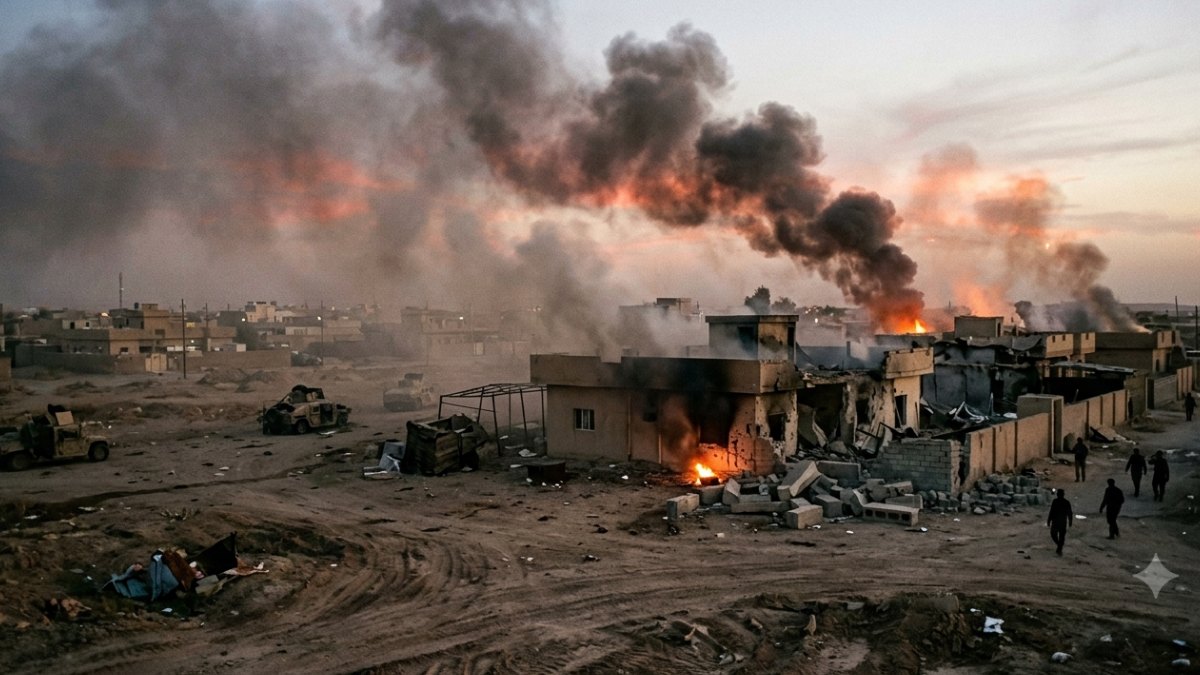
According to Central Command (CENTCOM) statements, the joint operation targeted logistics hubs, weapons storage facilities and operational sites allegedly used by Iran-backed militias in eastern Iraq. US officials said the strikes were conducted in response to a recent drone attack against American military personnel in the region and Saudi Arabian energy infrastructure.
Saudi Arabia confirmed its participation in the joint action and claimed the targeted groups were behind the coordinated action, saying they were behind repeated attempts to attack critical energy infrastructure and undermine the security of the energy security in its region. The kingdom has accused Iran-backed militias based in Iraq of attacking oil facilities through drones and missile strikes and at the same time has repeatedly accused Iran-backed militia groups in Iraq of attacking oil facilities in Iraq, which Tehran and various Iraqi militia groups have denied in the past.
The strikes led to multiple casualties with at least 10 people killed and several others injured according to Iraqi security and militia sources. Local groups said the death toll could be higher but no independent tally of casualties was verified thus far. Investigators are still assessing how much damage is done to the military facilities and surrounding infrastructure by the assault.
The military action comes just weeks after rising unrest in the region. The U.S. has claimed intercepting missile and drone attacks against its forces, and Saudi Arabia said its air defence systems had been able to neutralize drones attacking oil infrastructure. The U.S. has accused Iran's Islamic Revolutionary Guard Corps (IRGC) of orchestrating proxy groups behind the attacks and Iran has dismissed the claim.
International observers have expressed concern that the recent developments could trigger a wider regional conflict. Continued retaliatory strikes against Iraq and neighbouring states by the United States, Saudi Arabia, Iran, and other armed groups could further aggravate the situation, especially at a time when diplomatic efforts to reduce tensions remain fragile. There is also fear about the security of global energy supplies especially for the Middle East, which is one of the most important oil-producing regions in the world.
The recent hostilities have also exposed Iraq’s more complex security landscape. There are now numerous armed groups that have different political orientations and regional alliances. Iraqi security, relations with neighbouring Iran and cooperation with the United States-led coalition have been complicated by militia attacks over time.
Many of the oil markets took the latest developments cautiously, with energy analysts monitoring developments due to concerns about potential disruptions to oil production and transportation routes in the Gulf region. Rising geopolitical tensions in the Gulf region have historically weighed on international crude oil prices, especially when threats emerge against energy infrastructure or shipping routes. Investors will be closely monitoring the situation in the coming days.
Diplomatic efforts will also have to escalate further as regional and international actors work to prevent further military escalation. All governments have called for restraint from all parties and dialogue and diplomacy as the best way to reduce tensions in the region. However, with military action and retaliation threats continuing, the possibility of further military escalation remains a significant concern.
The latest strikes show how fast regional conflicts can evolve as long as multiple state and non-state actors are involved, security experts say. The operation shows that the Middle East is still unstable, with proxy wars, strategic rivalries and security issues still highly intertwined.
The full effect of the strikes is still under investigation and it will be important to see whether there will be more retaliation and if diplomatic channels can prevent the crisis from spreading to a larger regional conflict. The next few days will determine if there is any easing or escalation.