The United States and Iran are quietly negotiating through backchannel talks to calm tensions, as well as prevent a regional war that is brewing.
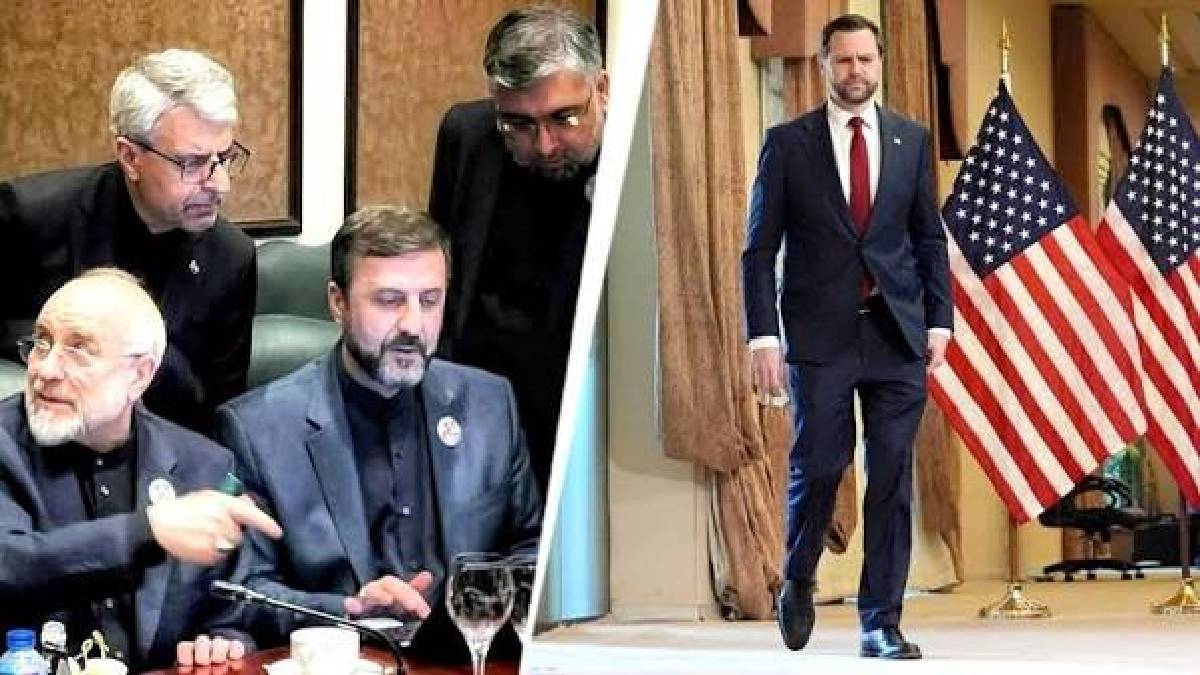
In spite of the bitter political and military differences that have long plagued the two countries, the talks are occurring through intermediaries, it is believed, so that both sides do not want to get into a direct fight.
The reported diplomatic outreach comes after months of rising tension over Iran’s nuclear program, regional security concerns and attacks by Iranian backed groups.
While neither Washington nor Tehran has officially provided any details of the negotiations, sources close to the talks say the talks are focused on de-escalation rather than a full political deal.
The United States has stressed that it prefers diplomacy to war and is committed to preventing Iran from developing nuclear weapons.
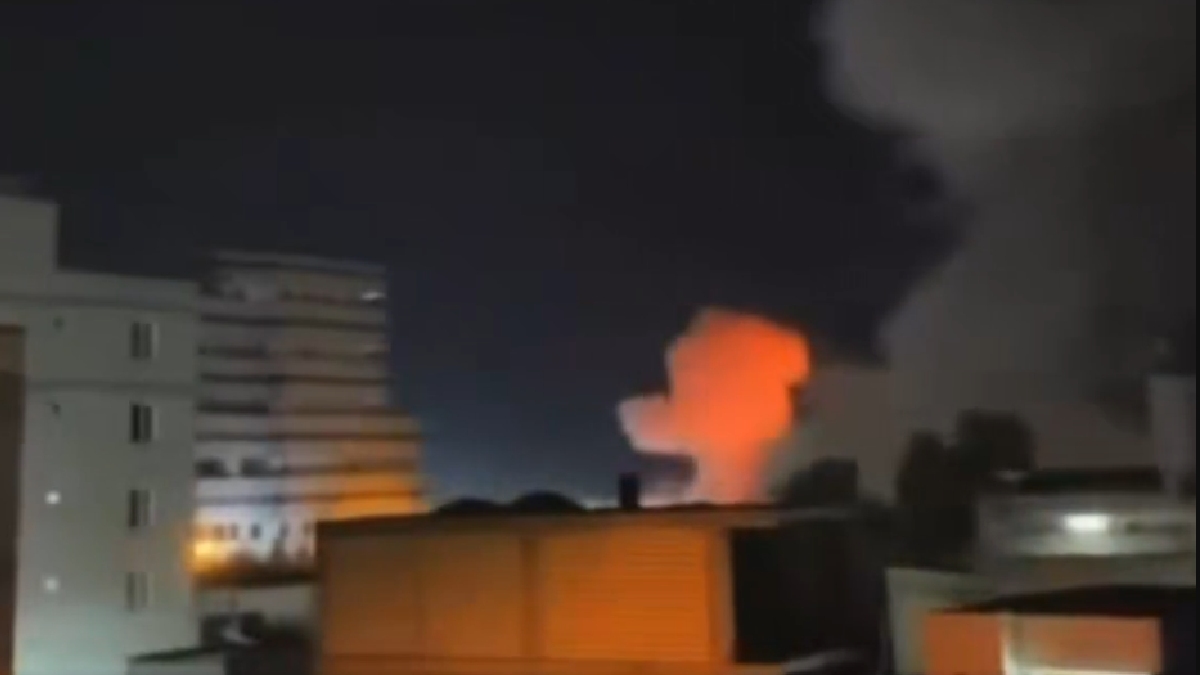
Iran has maintained that its nuclear program is for peaceful purposes but wants to be free from international sanctions that have hurt its economy so much.
The officials involved in the indirect conversations are believed to be using regional mediators, including Gulf nations and other diplomatic partners, to relay messages.
Such backchannel diplomacy has been deployed in the past by both countries, and in times of high regional instability.
The new communication is also a sign that there is a mutual understanding that continued military escalation of the situation in the Middle East will have a knock-on effect on the global energy market and the world economy, analysts say.
There have been several flashpoints in the past year that have involved missile strikes and attacks on commercial shipping and clashes between Syrian militia groups.
Even limited diplomatic engagement can help reduce the risk of accidental conflict, experts believe.
But they say there are still longstanding disputes that remain unresolved especially over Iran’s nuclear activities, sanctions, ballistic missile development and Tehran’s regional influence.
Rather, they seem to be about practical confidence-building measures, crisis management, and preventing further military activity.
Global powers are closely observing the developments, especially considering that any improvements in relations between the US and Iran could influence oil prices, regional security and broader geopolitical dynamics.
Financial markets have historically appreciated signs of better relations between the two countries.
Although diplomats say backchannel negotiations rarely lead to quick change in the outcome, they usually lay the groundwork for future formal talks.
Communication channels can also help avoid misunderstandings when there is a crisis.
Both governments have remained quiet about the meetings in public at the moment.
But the development of behind-the-scenes diplomacy has been encouraging that dialogue could lead to regional stability and less of a major conflict in the Middle East.
Whether such confidential efforts eventually turn out to be the basis for lasting agreements is unclear, but they illustrate once again how important diplomacy is even between long-standing foes.