
India batsman Shreyas Iyer has been under scrutiny with the team's poor performance in the T20 international series against England, while he has faced criticism for his batting form and his spot in the short-form side in India to be questioned.
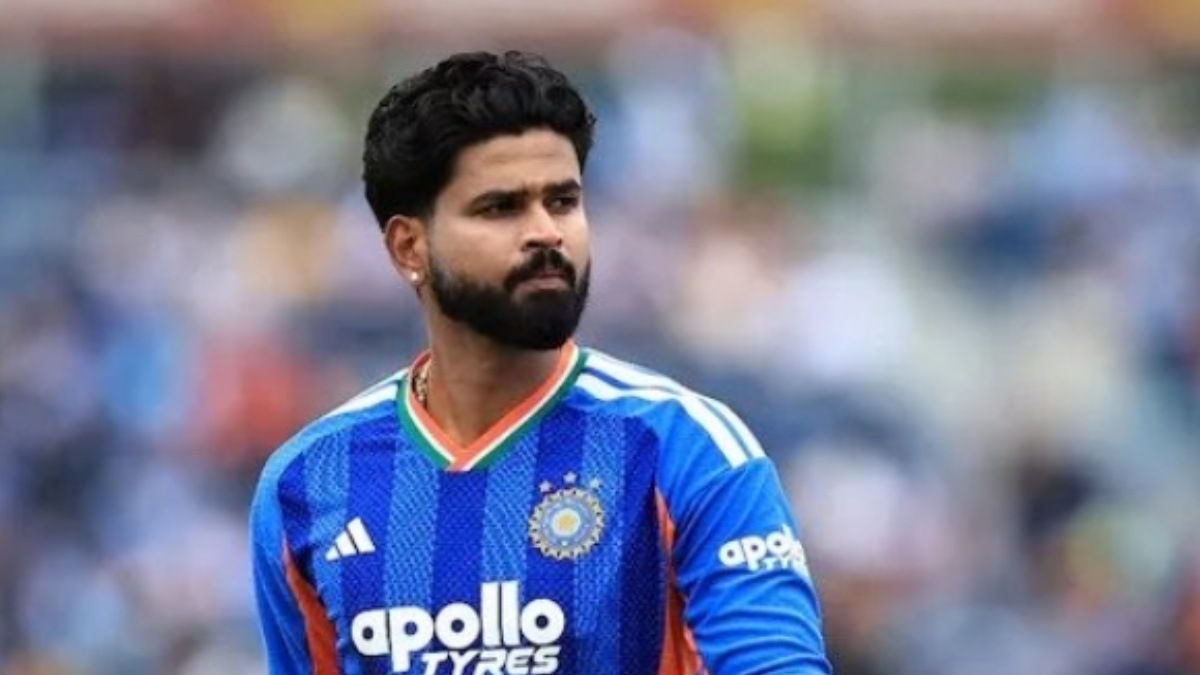
Former cricketers and analysts have rallied behind the experienced middle-order batsman and encouraged patience and backed him up to be a success in the long term.
The defeat in the series has led to the national debate as to how India should have played the game, how to make the team selection and how they should have played the game in ODI and T20. While a lot of players failed to produce consistently, Iyer deserves a big share of the blame for the poor starts and failure to carry out innings in the final few series stages.
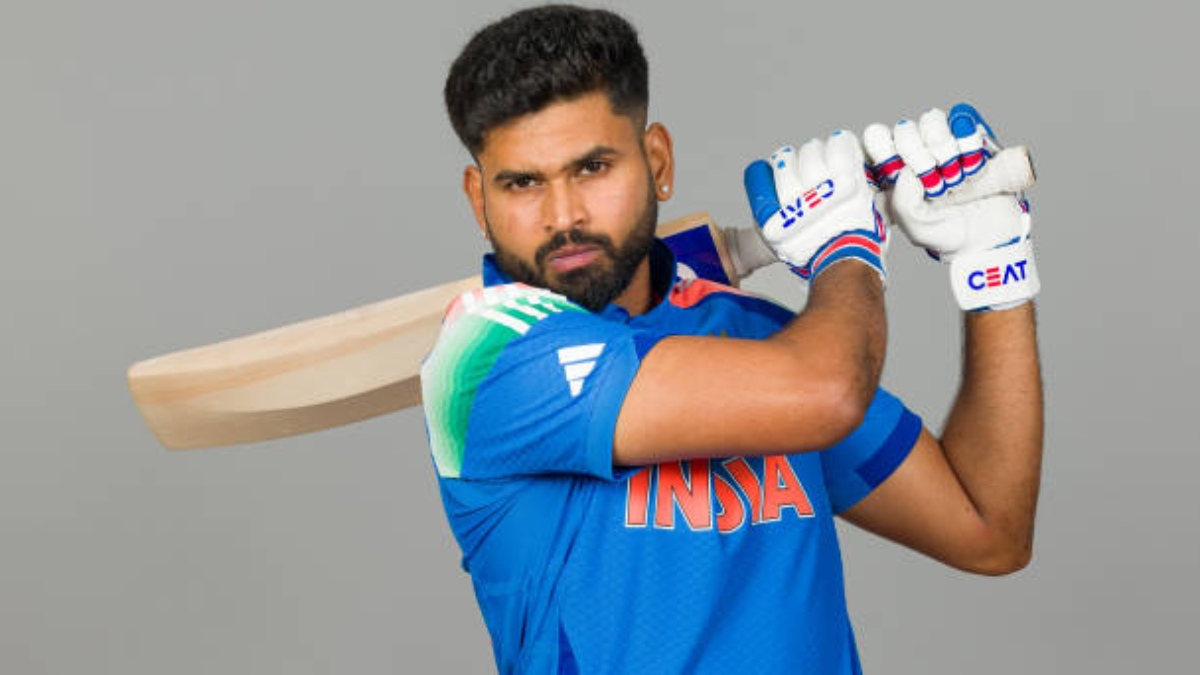

Critics have questioned whether the right-handed batter is still India’s best option in the middle order if young players are looking to get a shot at big international tournaments. But supporters say that judging a player purely on one poor series ignores his long history and all formats.
Cricket veterans have said Iyer has always proved that he can perform under pressure. Throughout his international career he has played some match-winning innings, especially in the middle overs of the game and his ability to rotate strike and accelerate against spin has so far helped India stabilize innings.
Supporters also point out that every top cricketer experiences periods of inconsistent form. Modern cricket is a multi-dimensional game; travelling and playing many formats is very much the thing and a short time to recover from the game. They think experienced players need more time to regain confidence rather than being judged only upon short-term returns.

The England series exposed larger issues in India's batting line-up. The middle order struggled to form partnerships and aggressive intent was sometimes at the expense of consistency. Analysts believe that placing the full responsibility for the poor campaign on a single player would ignore the collective nature of the team’s performance.
Iyer’s skills against spin bowling are still of interest in India’s batting plans. His ability to take over middle overs and hold on to the scoring momentum has been particularly helpful on slower subcontinental pitches. Team management might still make these qualities a part of the thinking for India as it heads into the future.
Another factor which is in Iyer’s favour is his game experience in high-pressure tournaments. His experience of playing for India in the ICC and big bilateral series is very beneficial and he is mature enough to have that mental and tactical depth that younger players are still trying to get.
Coaches would like experienced batters who are able to take that pressure when they have to face it in a very tough spot.
His selection also reflects the competition in Indian cricket. There are so many new batters in the domestic cricket and franchise leagues, every position in the national team has become highly competitive. This competition is good for performance but also for the performance standards, the quality of players going through lean times.
Experts have stressed that player evaluation should be based on long-term consistency not on individual performances. Successful teams, they say, do well when they have a good record of backing up players who have emerged as proven players through tough periods of time and back them up and not just keep going with a succession plan based on short-term results.
Team management will also look at the technical aspects of Iyer’s batting. Observers have suggested that the opposition bowlers were targeting specific areas during the England series and therefore needed tactical changes. Such challenges are nothing new in international cricket that teams analyse opponents and try to identify weaknesses.
In modern cricket fitness, mental resilience and adaptability are all as important as ever. Iyer has previously overcome his setbacks - injury breaks in particular - to become a strong international player. His determination and his efforts are appreciated by coaches and teammates as well and so his ability to fight through these current challenges is strong.
As India focuses on its preparations for international matches ahead, the selection process will have to be made for a player’s past performances and experience, and suitability for many situations. So, selection will probably be based on continuity and young talent.
Iyer’s future with India’s T20 plans has fans split on the future of Iyer. Some believe that the time to recruit younger players will soon come for him to come with younger players and others say it is time to move forward, while others say why not more talented young players to look at him and his match-winning skills as well. But there is a consensus that competition for places will keep the standards of the national team as a whole with so many people working to keep that kind of competition for places to be good for the national team and a better quality of play will continue to drive higher standards.
The next couple of months will be critical for Shreyas Iyer to maintain his consistency in domestic tournaments, franchise cricket and ultimately international cricket. A strong performance at these levels is the one thing that would silence critics and further cement his standing as one of India’s most reliable middle-order batters.
But so far, even after the England T20I series, there’s a strong base of cricket-loving people who respect and believe Shreyas Iyer has the chops, temperament and will carry on to get back to his best.






Comments
Leave a Comment