The United States has approved a landmark 30-year civilian nuclear cooperation agreement with Saudi Arabia, opening the door for American companies to help build the Kingdom’s nuclear energy infrastructure. However, a reported provision allowing the possibility of a US-backed uranium enrichment facility on Saudi soil has triggered fresh concerns over nuclear proliferation in the Middle East.
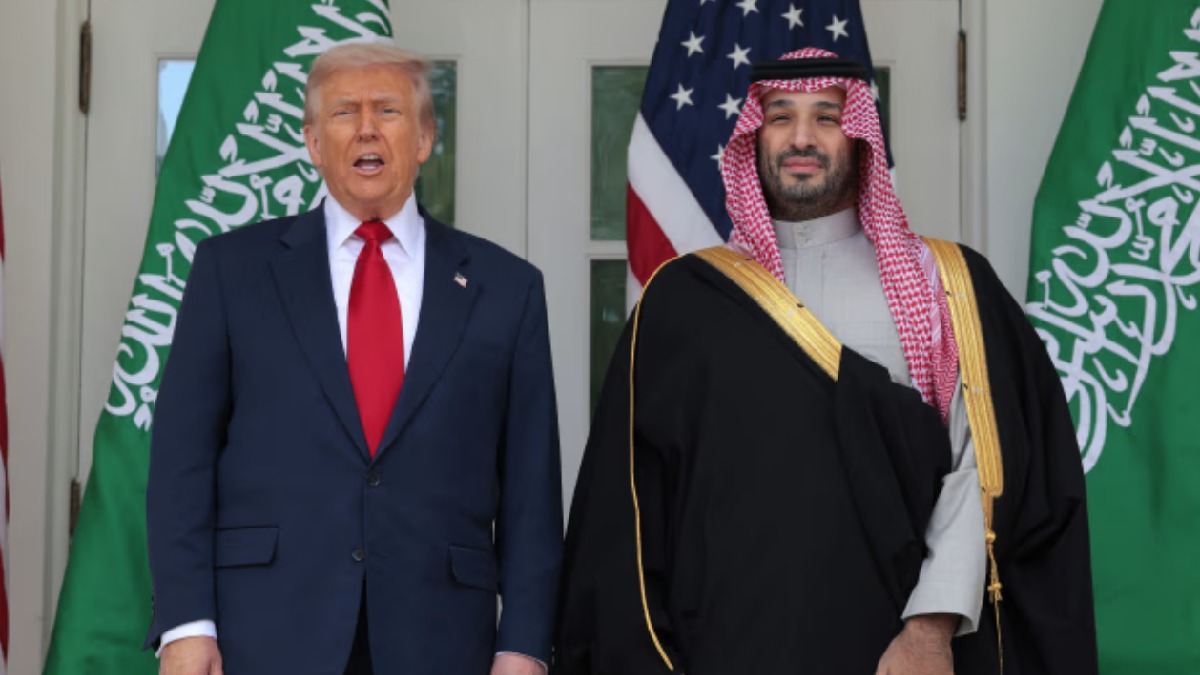
According to a report by *The Wall Street Journal*, the agreement could allow Saudi Arabia to develop limited domestic enrichment capabilities if future technical studies establish the need for such a facility. The deal comes at a highly sensitive time, as the United States has carried out military operations against Iranian nuclear facilities amid escalating tensions in the region.
The major question now is: **Does the agreement allow Saudi Arabia to build a nuclear bomb?**
The answer is no.
The agreement is a civilian nuclear cooperation framework, designed to cover nuclear power plants, reactor technology, fuel supplies, safety standards, scientific training and radioactive waste management. Such agreements between the US and other countries are governed by Section 123 of the US Atomic Energy Act.
The concern stems from uranium enrichment, a technology that has both civilian and military applications. Low-enriched uranium is used as fuel in most commercial nuclear reactors, while weapons require uranium enriched to much higher levels.
However, simply possessing enrichment technology does not mean a country has a nuclear weapon. Saudi Arabia remains a non-nuclear-weapon state under the Nuclear Non-Proliferation Treaty (NPT), and its civilian nuclear activities would be subject to international safeguards and monitoring.
To develop a nuclear weapon, Saudi Arabia would need to produce weapons-grade fissile material, develop a nuclear weapon design and establish a reliable delivery system. Any move towards such activities would represent a major violation of international commitments and could trigger severe diplomatic and economic consequences.
The reported framework appears to represent a compromise. Unlike the United Arab Emirates, which voluntarily renounced domestic uranium enrichment and spent-fuel reprocessing under its nuclear deal with Washington, Saudi Arabia has resisted accepting similar restrictions.
Riyadh says nuclear power is needed to meet rising electricity demand driven by urbanisation, industrial growth, desalination and large-scale investments in technology and data centres. Nuclear energy could also reduce the amount of oil burned domestically.
Supporters of the US-Saudi deal argue that keeping Riyadh’s nuclear programme under American and international oversight could strengthen non-proliferation safeguards. Critics fear that domestic enrichment capabilities could eventually fuel a wider nuclear race involving Iran, Israel and other Middle Eastern states.
For now, the agreement does not make Saudi Arabia a nuclear-armed state. But the debate over how far its civilian nuclear ambitions should go is likely to intensify.