A new sanctions proposal at the United States Senate has significantly reduced the tariff proposed on countries that are still importing Russian energy, from 500% to 100%. For countries like India and China, which have been importing Russian crude oil since the outbreak of the Russia-Ukraine war.
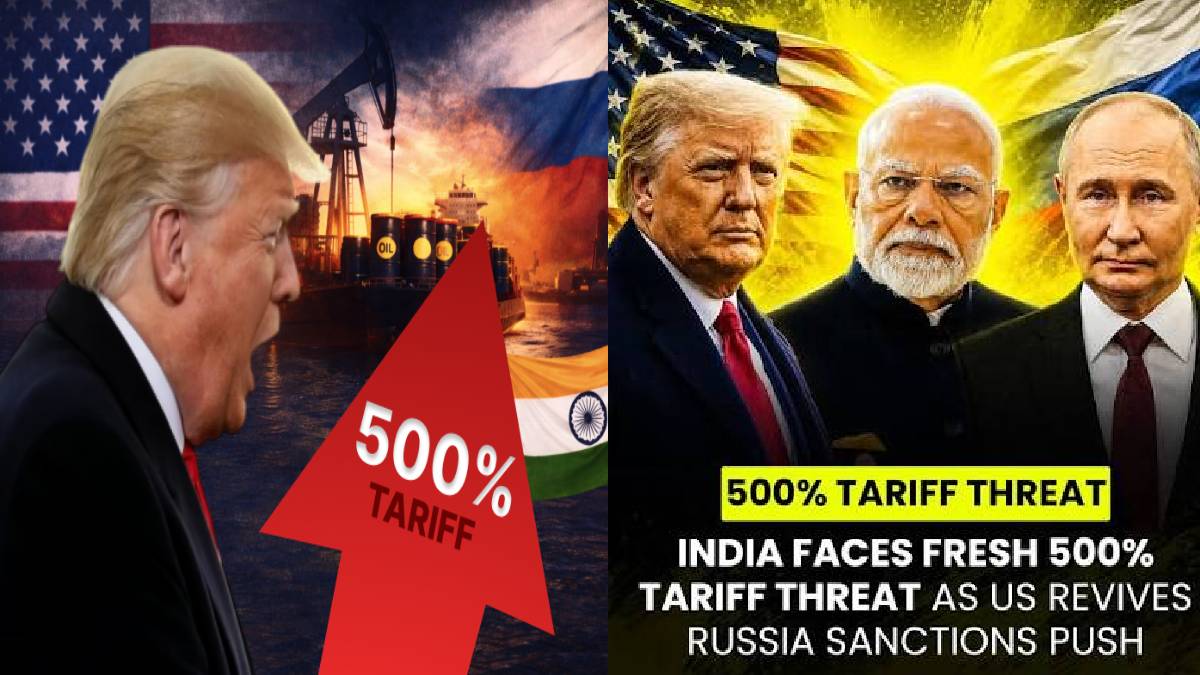
Russia will face secondary tariffs on its imports of Russian oil, natural gas, uranium, or other energy products. The bill’s proponents say it is necessary to cut Moscow’s energy revenues to pay for the war in Ukraine.
The original draft of the bill proposed tariffs of up to 500% and had been widely debated by U.S. trading partners and business groups. Trade experts feared that such a high tariff would disrupt global trade, damage relations with strategic allies such as India, and put American consumers and businesses at risk.
The new version now has a 100% tariff but still leaves the U.S. President with the option to implement or drop the tariff in a specific case. Supporters of the new deal say that the new tariff will pressure countries that are trading with Russia without causing a major economic blow to the economy.
From the very beginning, India has defended its purchase of Russian crude oil by claiming that it is in its national interest and provides affordable energy to its population. Russia is now one of India’s biggest crude oil suppliers and provides low prices that have helped Indian refiners weather the global energy crisis.
New Delhi has repeatedly claimed that it is adhering to international obligations and pursuing an independent foreign policy. Indian officials have repeatedly stressed that energy security is still the top priority and that buying oil at competitive prices is good for consumers and economic development.
The proposed amendments to the sanctions bill also highlight India’s growing role in U.S. strategic planning. Washington sees India as a key partner in the Indo-Pacific region, in terms of defense, technology, trade, and supply chain resilience. And the proposed tariff reduction would allow US-India relations to avoid unnecessary friction while the bill’s main aim of intensified pressure on Russia is met.
But even with the reduction, a 100% tariff would still be a significant trade measure. Those tariffs would impact exports from countries that continue to buy Russian energy and could change global trade flows. But that legislation has not yet been enacted, and it still needs to go through the U.S. legislative process before any measures can be taken.
The bill's future will have to be further evaluated to determine what the bill would look like, what kinds of impacts it would have on the economy, which would have impact on trade and investment.
For India, the revised proposal is a less severe scenario than the original 500% tariff provision. Policymakers and industry leaders will still have to consider the possible impact on bilateral trade, energy imports, and the US-India economic relationship from now on.
The evolution of the sanctions bill demonstrates the delicate balance lawmakers have between increasing pressure on Russia and maintaining stable economic and strategic partnerships with major global economies. As talks go on in Washington, the outcome could have long-term implications for global trade, energy markets and geopolitical relations.