Three people were killed and several more injured as a U.S. airstrike struck an area on the outskirts of Iran’s southwestern city of Ahvaz early Thursday, one of the most violent recent military incidents in the growing military struggle between Washington and Tehran.
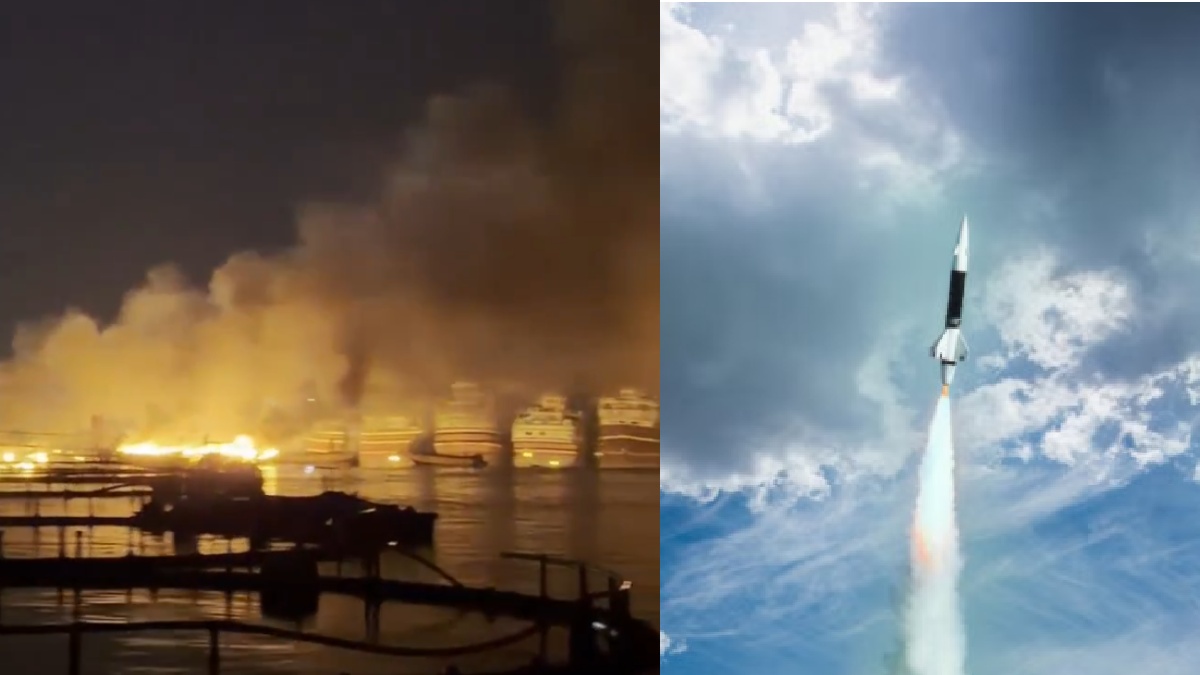
According to Iran's state-run IRNA news agency, the strike took place at a spot just outside Ahvaz in Khuzestan during the early hours of the morning. According to Khuzestan's deputy governor for security and law enforcement, Valiollah Hayati, rescue teams and emergency personnel were deployed soon after the attack, IRNA reported.
"The Israeli-US regime targeted a location on the outskirts of Ahvaz," Hayati said, adding that rescue and medical operations were underway as authorities assessed the extent of the damage.
The latest casualties came as the United States launched another wave of military operations against Iran, saying the strikes were aimed at protecting commercial shipping through the strategically vital Strait of Hormuz. US officials have claimed Iran is behind recent attacks on cargo vessels that traverse the waterway, a claim Tehran has denied.
According to Reuters, the latest round of military action was in response to Tuesday's attack on three cargo ships in the Strait of Hormuz. A senior US official also said Wednesday's operations were larger in scale than the strikes a day earlier, signaling Washington's intention to intensify the pressure on Iran.
The US military’s Central Command (CENTCOM) said the strikes were intended to degrade Iran’s ability to threaten international maritime traffic in one of the world’s busiest shipping lanes. The Strait of Hormuz is a major energy artery through which most of the world’s oil exports pass, making disruption there a major concern for global markets.
Iran responded by launching another day of missile and drone attacks on Kuwait and Bahrain, both of which host U.S. bases. Kuwait’s Defence Ministry said its air defense systems intercepted incoming missiles and drones before they reached their targets.
Qatar also briefly issued an "elevated security threat" alert amid fears that the conflict could spill over into neighboring Gulf states. But the immediate threat has passed, and security forces are on high alert.
In Tehran, Iranian Parliament Speaker Mohammad Baqer Qalibaf promised to continue to respond to what he called US aggression and said Iran would not back down from defending its interests.
Trump, speaking ahead of the NATO summit in Turkey, said diplomatic efforts with Tehran have effectively collapsed. He also sent a fresh warning on his Truth Social website that any further attacks on commercial shipping would be met with an even stronger military response.
He did not expect the conflict to become a full-scale war, despite the increasingly hostile exchanges, Trump said.
Iranian media also reported that Wednesday’s strikes targeted several strategic locations on the southern coast of the country, including Bandar Abbas, the country’s major commercial port and key naval facilities, as well as the Strait of Hormuz. Additional strikes were reported near the coastal cities of Konarak and Chabahar, both of them situated close to the border with Pakistan.
The recent attacks illustrate the rapidly deteriorating security situation in the Middle East. So, as Washington and Tehran trade military blows and diplomatic efforts seem to be frozen, the problem may be even more damaging to the region and to international energy supplies.
As rescue operations continue in Ahvaz and tension remains high across the Gulf region, the world is closely watching developments and concerned that further escalation of the conflict will bring more countries into the conflict.