Tensions between Iran and the Middle East grew further on Friday when American forces struck again at Iranian military infrastructure in the strategic Strait of Hormuz. Explosions were heard around Bandar Abbas, one of the major southern Iranian port cities with major naval and military facilities.
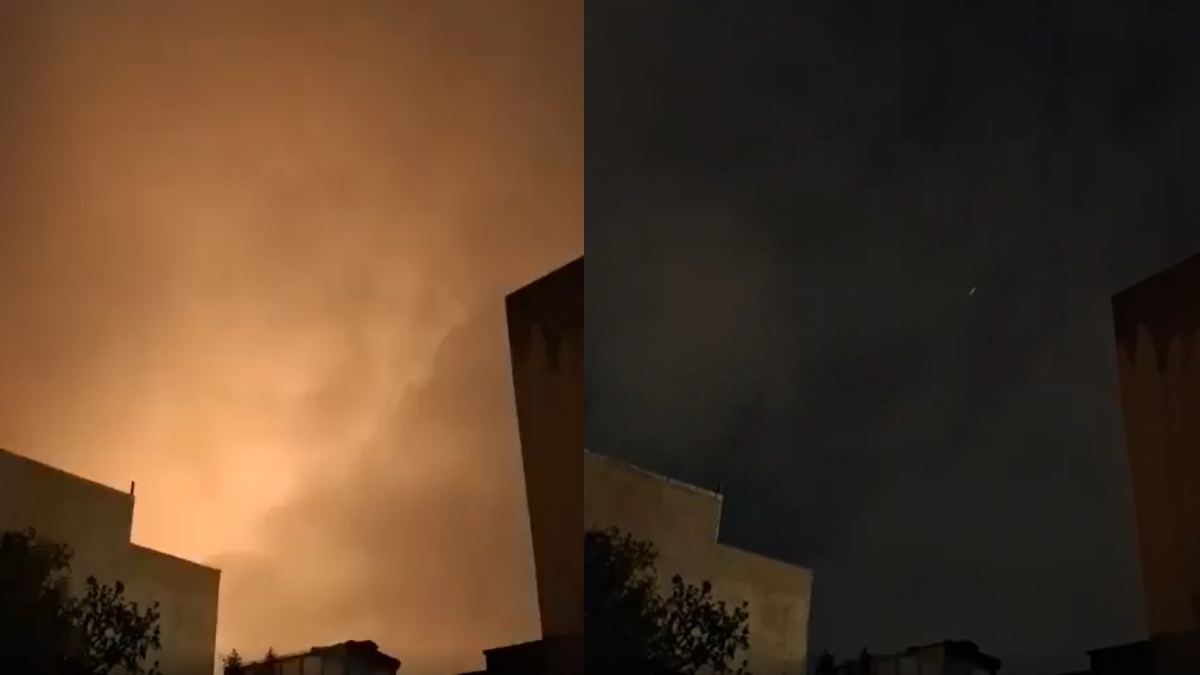
According to reports, the military conducted ‘defensive strikes’ in southern Iran against Iranian military targets. American officials said that the operation targeted a drone control centre and other military positions that are believed to pose a threat to U.S. naval ships in the Strait of Hormuz. US forces also intercepted and destroyed multiple Iranian drones before attacking, the reports said.
The explosions could be heard across Bandar Abbas and other coastal areas, where the Strait of Hormuz, one of the world’s most strategic shipping lanes for global oil transport, was one of the most strategic ones. Iranian media reported sounds from across the region where the explosions were heard, but officials claimed the situation was under control. Some reports said strikes hit missile launch facilities and boats that were trying to deploy naval mines in the Gulf.
The United States Central Command (CENTCOM) defended the operation, asserting that the strikes were conducted to protect American troops and maritime safety in the region. Washington has frequently accused Iran’s Islamic Revolutionary Guard Corps (IRGC) of threatening commercial shipping routes and stepping up military activity around the Strait of Hormuz.
But Tehran has strongly condemned the strikes and warned of severe consequences. Iranian authorities said the attacks violated the understanding reached during recent indirect talks and called them aggressive acts on Iranian sovereignty. Iranian state-run media said that the attacks were part of a larger campaign to undermine Tehran’s position as a regional power in the Gulf region.
Bandar Abbas is also very strategic for Iran because it is a major naval base and gateway to the Strait of Hormuz through which a large share of the world’s oil traverses every day. Any military escalation in the region immediately raises concerns in global energy markets, with oil prices jumping as instability and conflict in the Gulf waters are reported. And analysts say repeated military confrontations between the US and Iran would add to the already combustible Middle East situation.
The latest strikes come in an increasingly fragile ceasefire atmosphere as Iran, the United States, and its regional partners have been at loggerheads for months. Although military talks have recently been held, they have been ongoing with the two sides accusing each other of provocations in and around the Gulf.
Because of global monitoring of developments, fears are growing that continued escalation near the Strait of Hormuz may disrupt international trade routes, affect energy supplies, and intensify geopolitical dynamics in the region.