The United States has explained that President Trump has the authority to impose tariffs of up to 100% on countries purchasing Russian oil and gas, but the new law also gives him the ability to issue national security waivers.
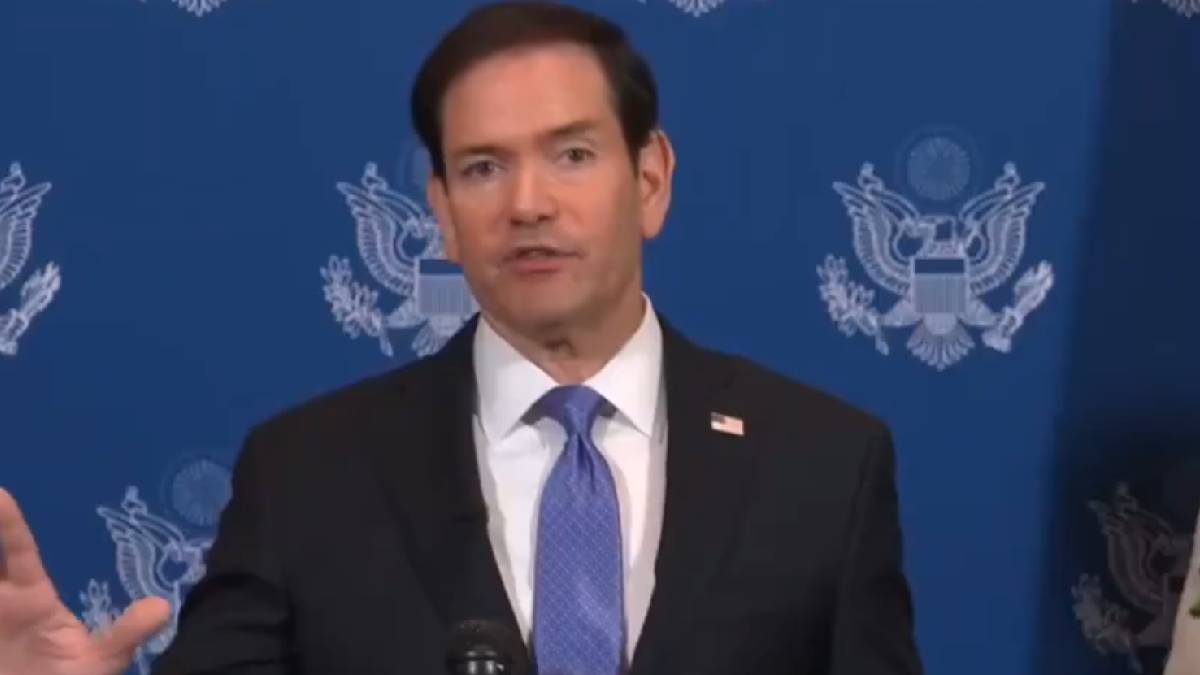
The clarification by US Secretary of State Marco Rubio comes days after India raised concerns in Washington about the potential impact of the new sanctions legislation on bilateral relations and India’s energy security.
Trump recently signed the Lindsey O. Graham Sanctioning Russia and Iran Act of 2026, giving the US president new tariff authority targeting major buyers of Russian energy. That law allows tariffs of up to 100% on goods from countries that are among the largest buyers of Russian oil and gas. India and China are among the countries that may be affected by the provision.
But the legislation does not automatically impose a 100% tariff on India. Rather, it gives the US president discretion over whether and how the tariff authority is used. The law also allows the president to waive the measures if it is in the national interest.
🚨 BIG RELIEF FOR INDIA? US BLINKED?
— Megh Updates 🚨™ (@MeghUpdates) September 24, 2026
Days after New Delhi WARNED the US of SEVERE diplomatic fallout over 100% tariffs on Russian oil, Sec of State Marco Rubio CLARIFIED: "The law grants President Trump tariff powers, but ALSO provides NATIONAL SECURITY WAIVERS." 🎯 pic.twitter.com/t5kIczj0WA
Rubio highlighted this waiver provision when discussing the legislation after meeting with External Affairs Minister S. Jaishankar on the sidelines of the United Nations General Assembly in New York.
"The law gives the President tariff authority,” Rubio said, describing the measure as a new tool available to the U.S. administration. The bill also includes national security waivers that allow the president to use the authority on a case-by-case basis.
The remarks are of great importance for India because New Delhi insists on affordable and reliable energy supplies. India is one of the world’s largest importers of Russian crude and a major shift in that flow would affect refiners, fuel prices and the whole energy market.
Earlier today, India’s Ministry of External Affairs said New Delhi had clearly communicated to Washington its concerns about the possible consequences of the US legislation for bilateral relations and international energy markets. India also reiterated its commitment to energy security and said it would continue sourcing supplies from diverse sellers based on market conditions.
Jaishankar also raised India's concerns over the new sanctions legislation directly with Rubio in their meeting. The talks took place in the context of ongoing India-US trade talks and broader disagreements over India's purchases of Russian crude.
The new US law therefore creates a potential tariff threat without making a 100% duty inevitable. The president has significant discretion in deciding whether to use the authority, what rate to apply, and whether a national-security waiver is appropriate.
The waiver provision could be key for India in future diplomatic talks with Washington. But Rubio’s remarks do not signal that the United States has exempted India from the tariff provisions. The decision on whether to impose or waive tariffs is up to the Trump administration.
The development comes as Washington is pressing economic pressure on countries purchasing Russian energy, and New Delhi has to balance its energy needs, trade interests and diplomatic relationship with the United States and Russia.
For now the key takeaway is that the 100% tariff is a presidential tool rather than an automatic levy, and the law’s national-security waiver gives the White House a more direct role in how the measure is used.