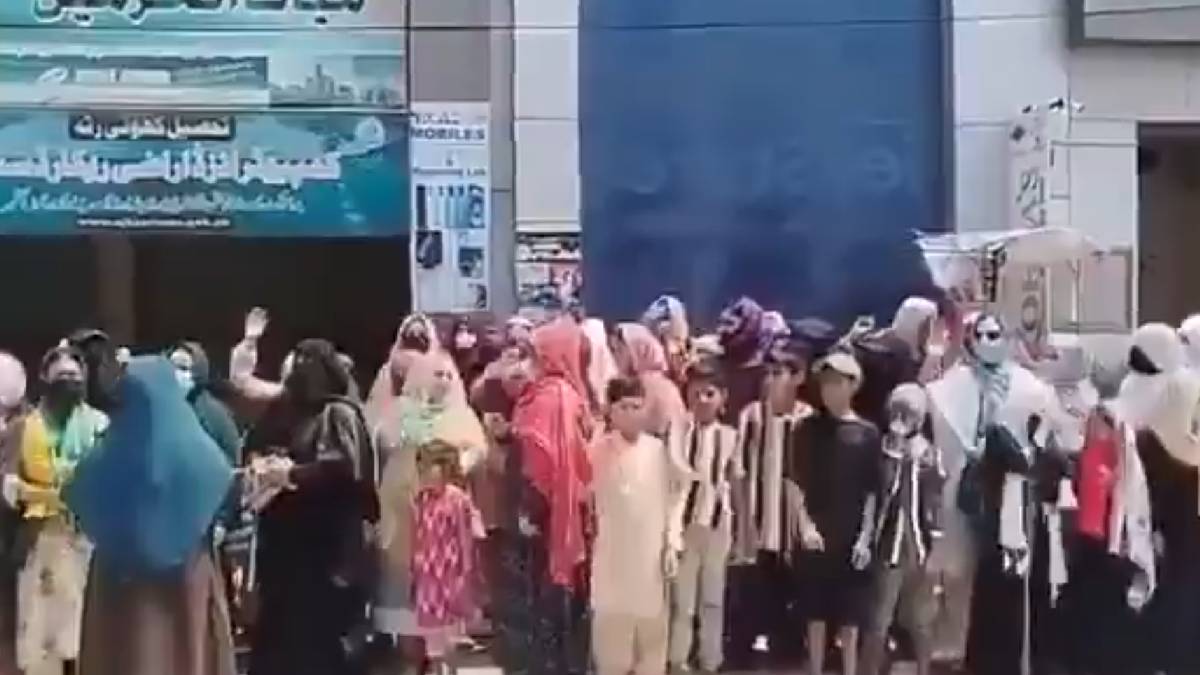
Cases of a brutal police crackdown have been seen coming from Pakistan-occupied Jammu and Kashmir, and reports and videos on social media alleged that security forces used excessive force against protesters.
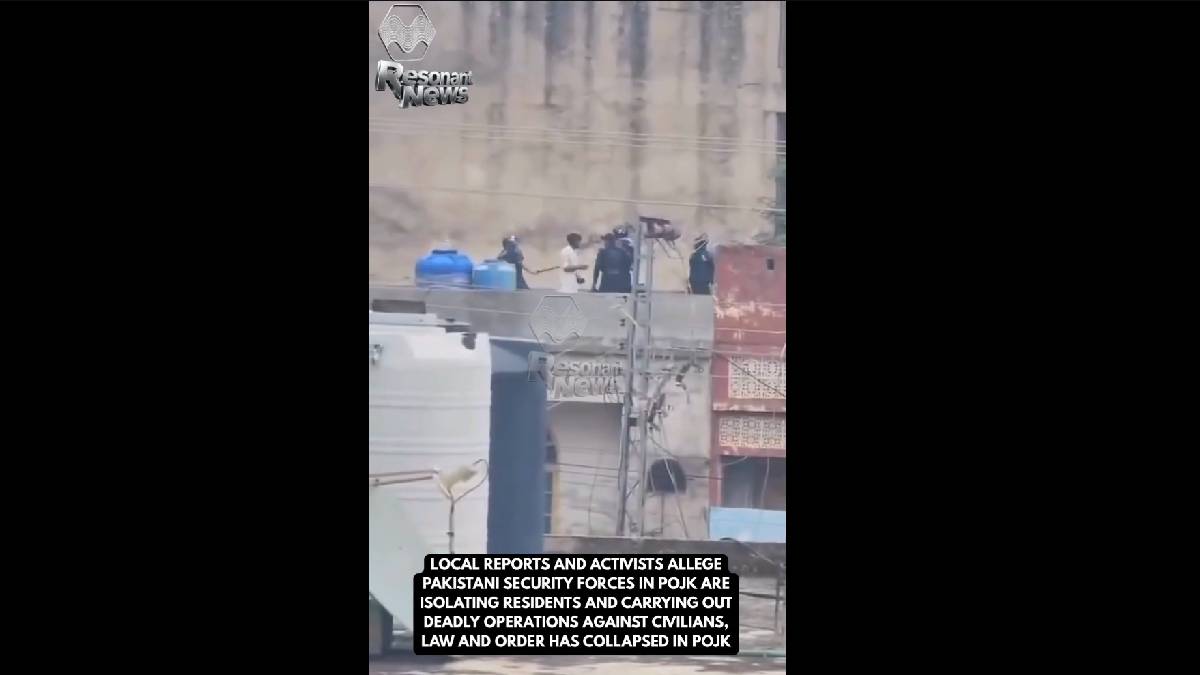
The developments have ignited outrage among activists and social media users, and some say it is like “No Law, Only Bullets.” Police had to use force to control public demonstrations, they say, rather than using law enforcement as well.
"No Law, Only Bullets": Pakistani Police Carrying Out Brutal Crackdown in PoJK 🇵🇰 https://t.co/MAAwx4XW9S pic.twitter.com/NDHfPzNCHG
— Resonant News🌍 (@Resonant_News) July 31, 2026
The evidence for and against the reported crackdown, the events that led to the confrontation and the extent of injuries or damage, are independent. But videos and accounts on the internet have raised alarm for the treatment of protesters and the use of force by security forces.
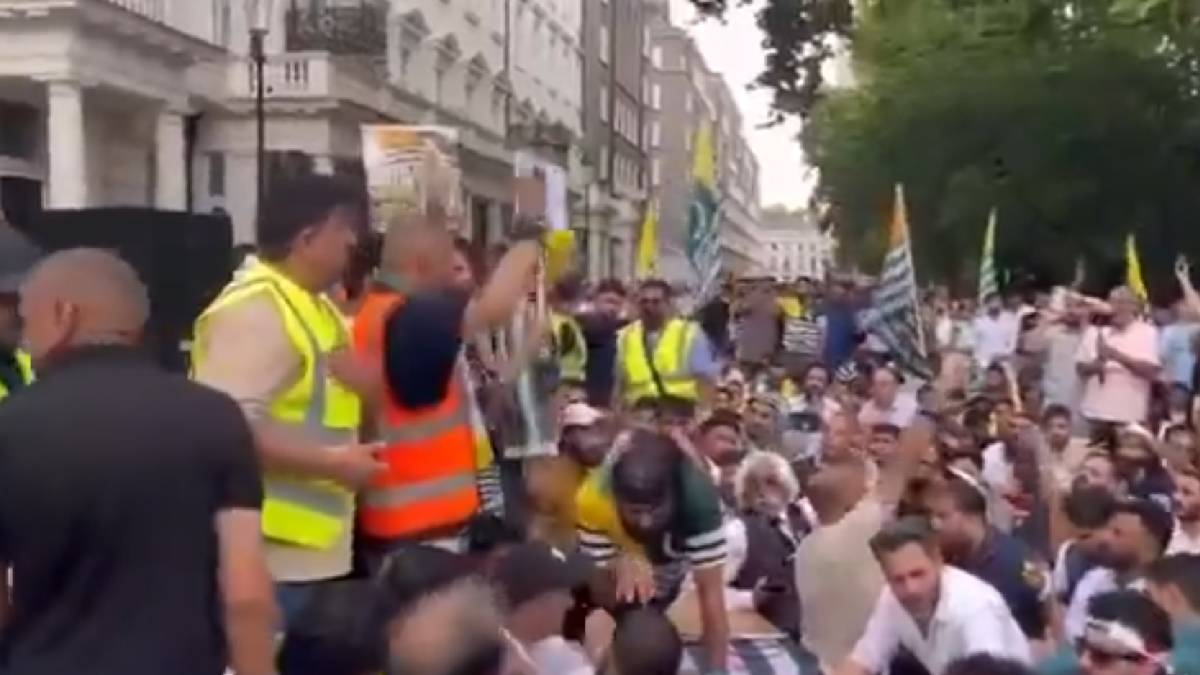
Police were deployed in large numbers in areas where demonstrations were taking place, according to social media claims. Protesters and local groups said that police dispersed crowds and shut down public resistance.
Some accounts claimed that the authorities used violence against civilians; others questioned whether legal processes and provisions were followed during the police action.
As for the alleged response, “No Law, Only Bullets” has been the slogan of criticism. This is an accusation and not a definitive description of what police did.
The event has raised the importance of civil rights and peaceful protest in Pakistan-administered Kashmir. There have been periodic protests in the region over governance, economic conditions, public services, political representation and local demands (Government of Pakistan).
Human rights advocates have said that law enforcement agencies have to take into account necessity, proportionality and accountability in the face of public demonstrations. Any use of force should be calculated in the context of the threat to the security personnel and the protest site.
The allegations have also led to calls for an impartial investigation into the reported police action. It has been called upon by some critics to investigate videos, eyewitness accounts and other evidence to determine whether excessive force was used and whether any person had been unjustly targeted.
The authorities’ version of the events, however, is key at the same time. If the police act to maintain public order and prevent violence or respond to threats in the demonstrations, then the police will probably say it was done because it was part of the police's role. Any official statement of the operation’s facts would surely help to make it easier to understand.
The incident has provoked a wider discussion about the balance between law and order and protecting the rights of citizens to assemble and express their views peacefully.
If allegations of unlawful or excessive force were made clear, those involved might face questions about accountability and compliance with legal standards. On the other hand, if there was violence or attacks against police personnel during the protests, authorities may try to justify some measures as necessary for public safety.
The situation is under scrutiny with videos and claims going around. Independent verification, official records, and credible investigations will have to determine what really happened and whether the police response was proportionate.
And the allegations are raising public concern and renewing the demand to have the public’s attention on the matter, be transparent, and to protect civilian rights in Pakistan-occupied Jammu and Kashmir.