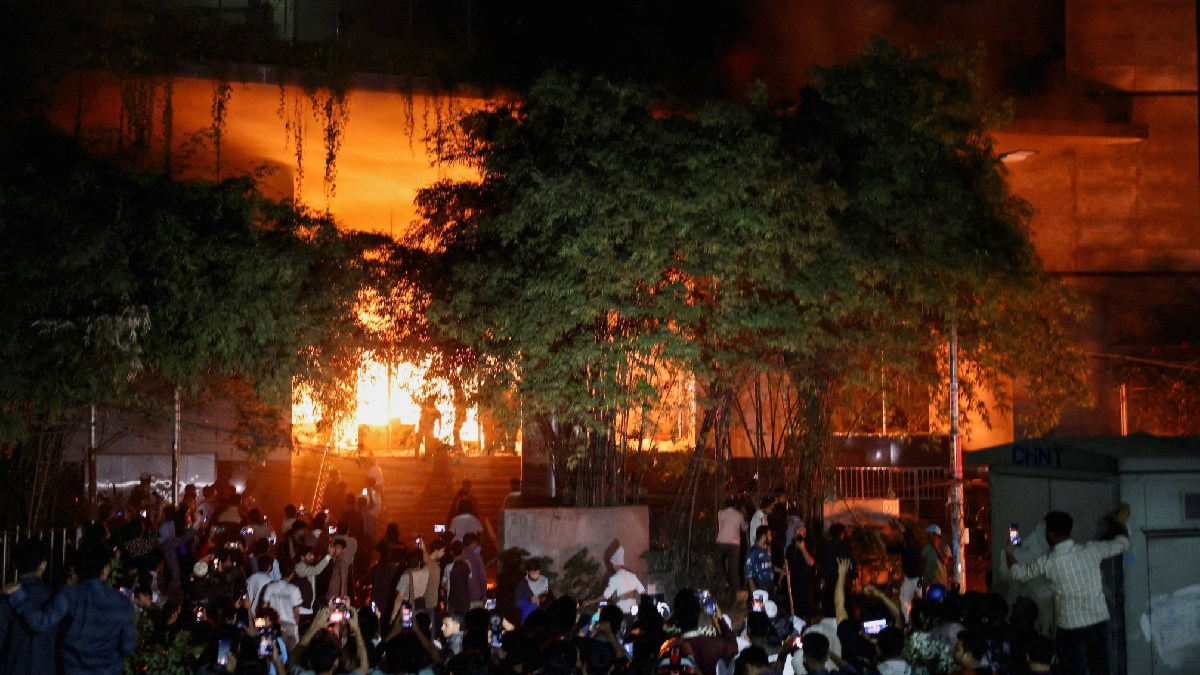
Bangladesh, a nation that emerged in 1971 with the promise of secularism and pluralism, is today grappling with a troubling reality: its Hindu minority is increasingly under attack. What should have been a society built on the ideals of equality and justice has, over time, seen the erosion of those values. Reports of violence against Hindusranging from mob lynchings to arson, temple desecrations, and forced evictionshave become disturbingly frequent. These incidents are not isolated; they reflect a broader pattern of intimidation and marginalization that has left the community vulnerable and fearful.
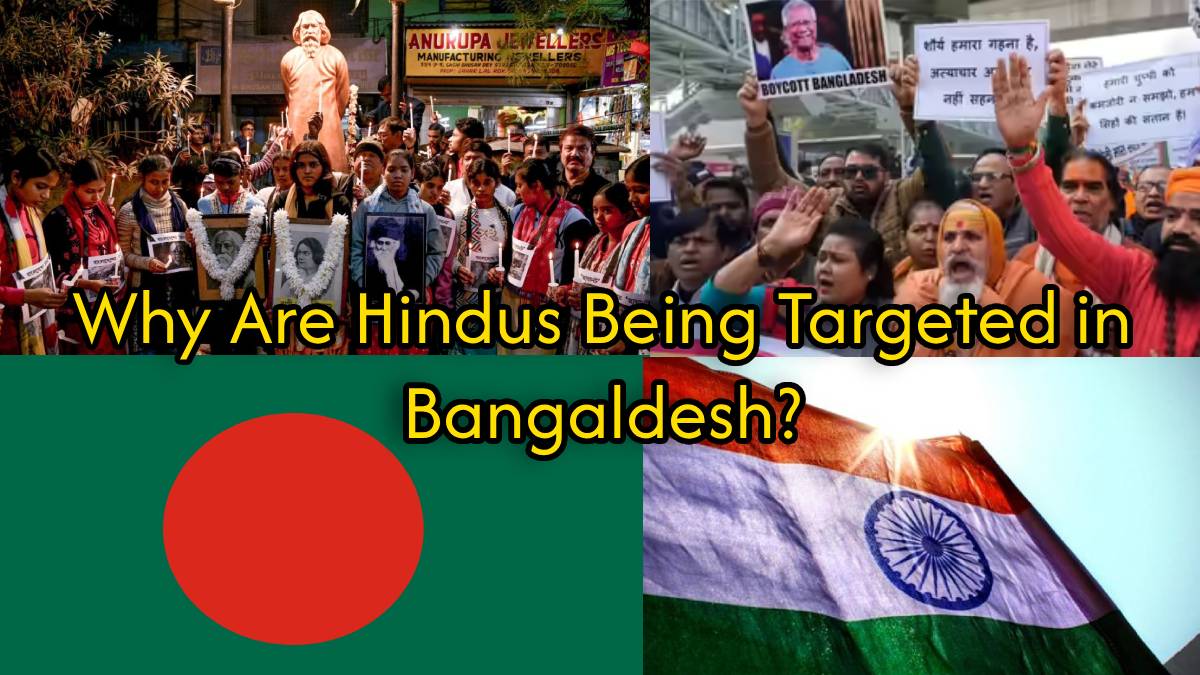
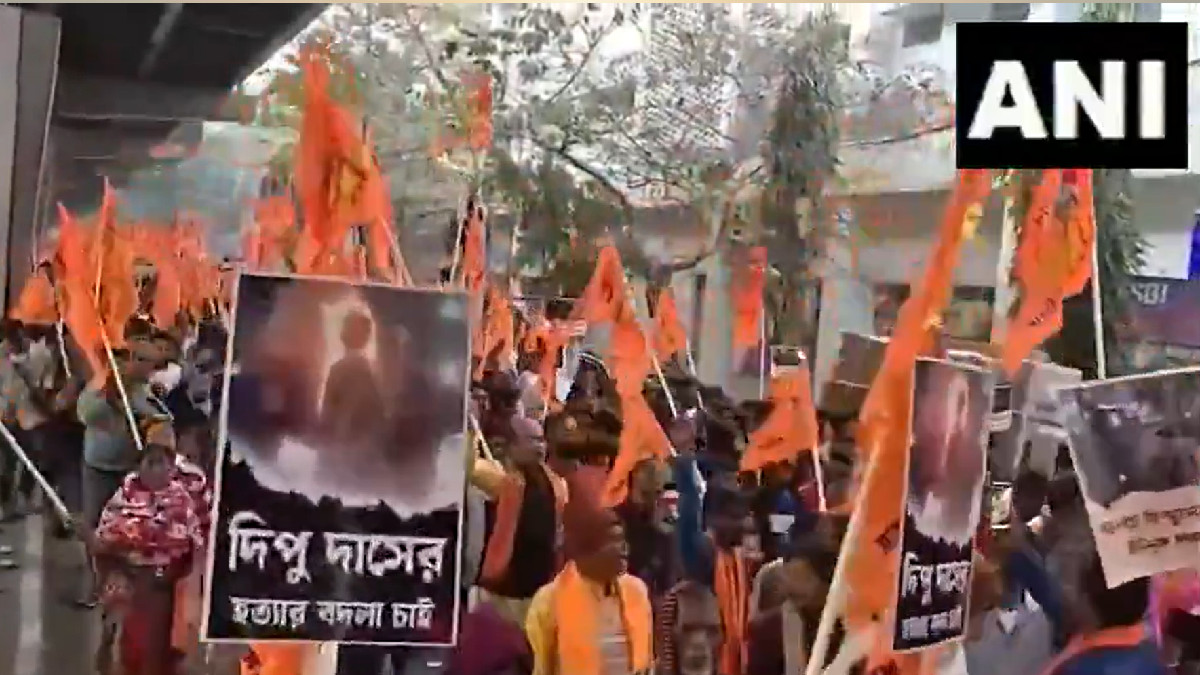
The persecution of Hindus in Bangladesh is not a new phenomenon, but the intensity and brazenness of recent attacks have shocked observers. In 2024, thousands of cases of violence were documented, including the horrific killing of Dipu Chandra Das in Mymensingh, where a mob tied his body to a tree and set it on fire. Such acts are not only crimes against individuals but symbolic assaults on the identity and dignity of an entire community. For Hindus, who have lived in Bangladesh for centuries, the message is clear: their place in society is under threat.
Why Are Hindus Being Targeted?
The reasons behind this persecution are complex, rooted in politics, religion, and demographics. First, political instability plays a major role. Bangladesh is in a volatile phase, with elections and shifting power dynamics creating uncertainty. Minority communities often become pawns in this larger game of vote‑bank politics. The emergence of the Bangladesh Minority Janta Party (BMJP), which seeks to represent Hindu voices, has brought visibility to minority issues. Yet, this visibility also makes Hindus targets of retaliation from extremist groups who fear losing influence if minorities assert themselves politically.
Second, religious extremism has grown more pronounced. Radical Islamist groups exploit political uncertainty to spread fear and consolidate power. Attacks on Hindus are often justified with accusations of “anti‑Islamic activities,” as seen in Chittagong where a Hindu family’s home was set ablaze with a threatening note. These acts are designed to intimidate minorities into silence and reinforce a narrative of religious dominance.
Third, the demographic decline of Hindus has made them more vulnerable. At independence, Hindus made up nearly 20% of Bangladesh’s population. Today, they account for less than 8%. As their numbers shrink, their ability to resist persecution weakens. Each attack carries a heavier impact, further marginalizing the community and accelerating migration out of the country.

Finally, weak institutional protections exacerbate the crisis. Despite constitutional guarantees, enforcement is often absent. Police fail to act decisively, either due to political pressure or fear of backlash. Courts are slow, and perpetrators frequently escape accountability. This culture of impunity emboldens attackers and deepens the cycle of violence.
The Real Issue in Bangladesh
At its core, the crisis is about identity and power. Bangladesh is struggling to balance its secular foundations with rising religious nationalism. Hindus, Christians, and Buddhists are caught in the crossfire of this identity struggle. The persecution of Hindus is not merely about religionit is about control over land, votes, and cultural space. By driving minorities out, extremists consolidate influence over territories and political constituencies. This explains why attacks often spike around elections, when fear can suppress minority participation in voting.
The silence of mainstream parties worsens the issue. The ruling Awami League, once seen as a protector of secularism, has lost credibility among minorities. Opposition parties, meanwhile, often ally with Islamist groups, leaving minorities with little political refuge. The result is a vacuum of protection, where minorities are left to fend for themselves against organized violence.
Human Impact
Behind every statistic lies a human story. Families displaced from ancestral homes, children growing up in fear, and communities losing their cultural heritage. The lynching of Dipu Das was not just the killing of one manit symbolized the vulnerability of an entire community. For Hindus in Bangladesh, daily life is marked by uncertainty. Will their temple be attacked? Will their daughters be safe walking to school? Will their vote even matter? These questions erode trust in the state and fracture the social fabric.
The psychological toll is immense. Living under constant threat diminishes not only physical safety but also the sense of belonging. For many Hindus, the choice becomes stark: endure persecution or migrate. This migration, often to India, further reduces the Hindu presence in Bangladesh, creating a vicious cycle of decline.
What Needs to Change
Addressing this crisis requires both domestic and international action. Stronger legal protections are essential. Laws against hate crimes must be enforced swiftly, with accountability for perpetrators. Political inclusion is equally important. Minority voices, like those of the BMJP, must be allowed to participate without fear of retaliation.
Regional pressure can play a role. India, as Bangladesh’s neighbor, has a moral responsibility to raise concerns, while international bodies must hold Bangladesh accountable for protecting minorities. Grassroots solidarity within Bangladesh is also vital. Civil society movements must reclaim the secular spirit of 1971, resisting extremist narratives and promoting pluralism.
Bangladesh today stands at a crossroads. The persecution of Hindus is not just a minority issue it is a test of the nation’s commitment to pluralism and democracy. If minorities cannot live with dignity, the very idea of Bangladesh as a secular republic is at risk.
The real issue is not only about Hindus being targeted it is about whether Bangladesh can resist the tide of extremism and uphold the values of equality and justice. For the Hindu community, survival is no longer just about faithit is about the right to exist as equal citizens in the land they call home.