
Talk about a plot twist. Just when cricket fans thought the 2026 T20 World Cup map was set in stone, a firm “no” from Bangladesh has sent the schedule back to the drawing board. The issue isn't about venues or teams—it’s about dates, and it’s become a major diplomatic headache for the International Cricket Council (ICC).
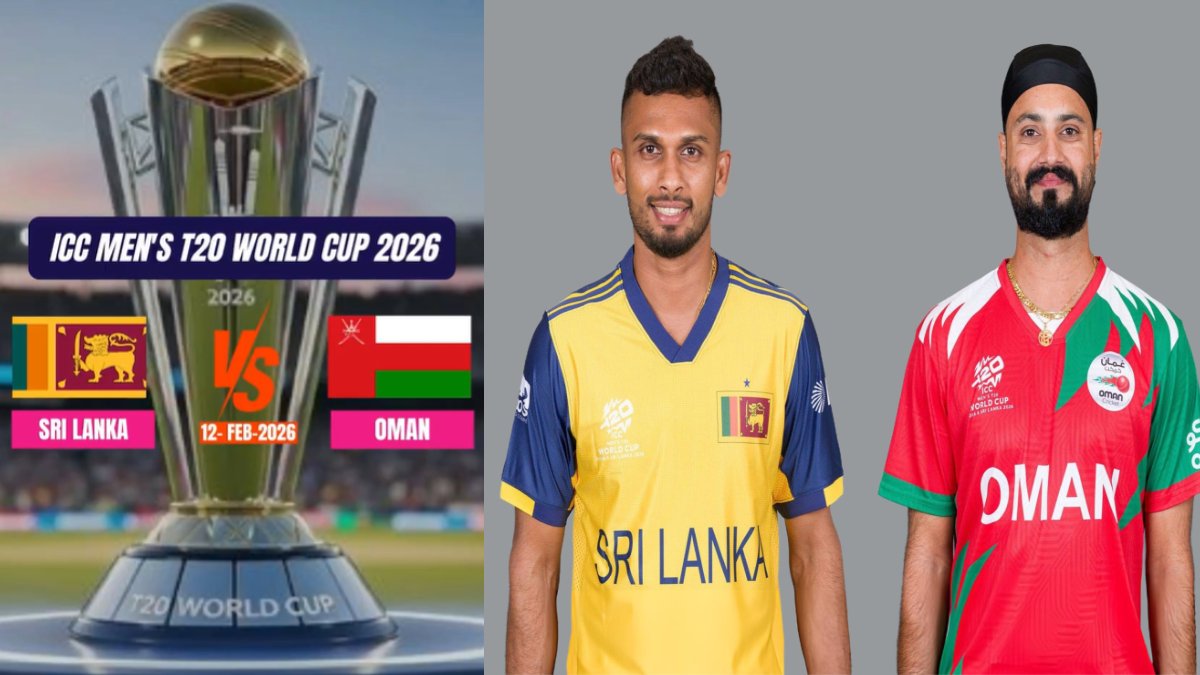
Here’s the heart of the problem: the ICC’s initial draft placed the tournament in India and Sri Lanka during the traditional February-March window. The catch? That period squarely overlaps with Bangladesh’s cherished, and fiercely protected, Independence Day celebrations in March. For Bangladesh, this isn't just a scheduling conflict; it’s a matter of national sentiment. Hosting a foreign sporting spectacle during a time of deep patriotic reflection was, from their perspective, a non-starter.
Bangladesh Cricket Board officials didn’t mince words. They made it clear that asking them to stage World Cup matches while the nation commemorates its hard-fought history was unacceptable. This wasn’t a negotiation point—it was a principled stance. The message to the ICC was unambiguous: find new dates.
Now, the ball is firmly in the ICC’s court, and they’re facing a logistical puzzle. Rescheduling a global event of this scale is a nightmare. It’s not just about moving hotel bookings. It involves coordinating with two host nations, countless broadcasters who have paid billions for specific slots, and the entire international cricket calendar, which is already jam-packed. Do they shift the tournament earlier into a potentially chilly January in North India? Or push it later, risking a clash with the monsoon or other leagues like the IPL?
This standoff reveals the delicate balancing act of modern global sport. On one side are the commercial imperatives and existing contracts that drive these events. On the other are the legitimate cultural and national sensibilities of member nations. Bangladesh’s rejection is a powerful reminder that the cricket calendar cannot simply be imposed from above; it must be built with consensus.
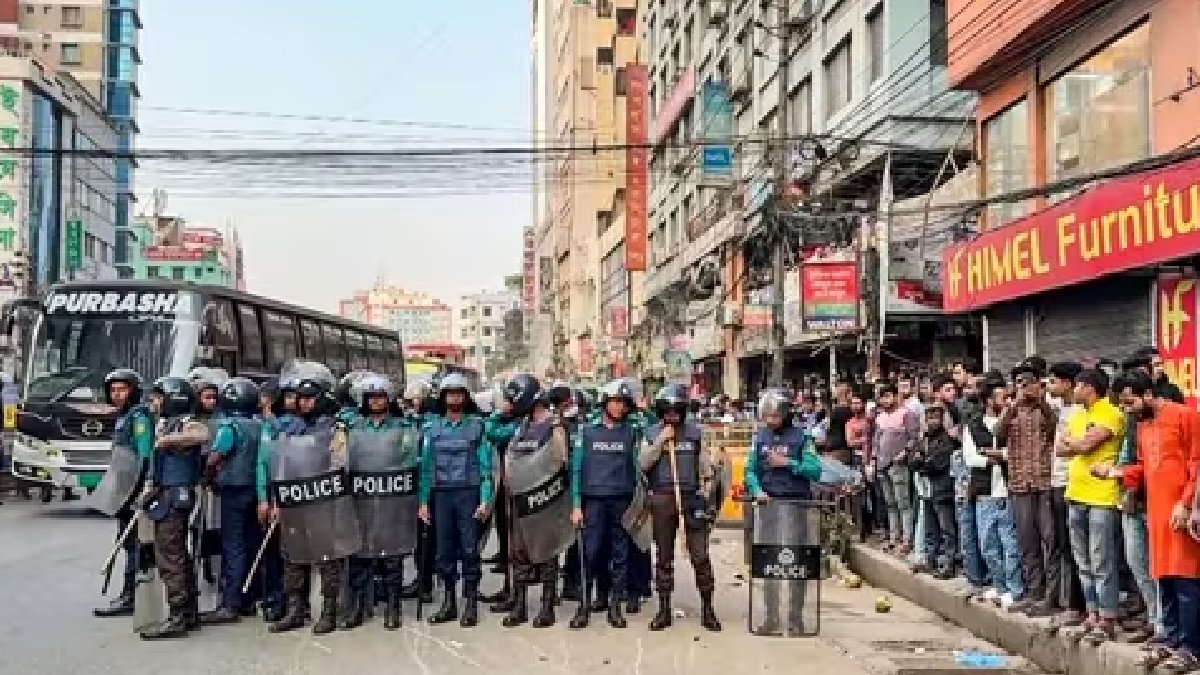
For now, fans in India and Sri Lanka will have to wait a bit longer for a final schedule. The ICC is back at the table, likely scrambling to find a window that works for everyone. One thing’s for sure: the 2026 T20 World Cup’s first major battle wasn’t won on the field, but in a boardroom, with Bangladesh holding their ground. The coming weeks will show just how flexible the world’s cricket body can be.


Comments
Leave a Comment