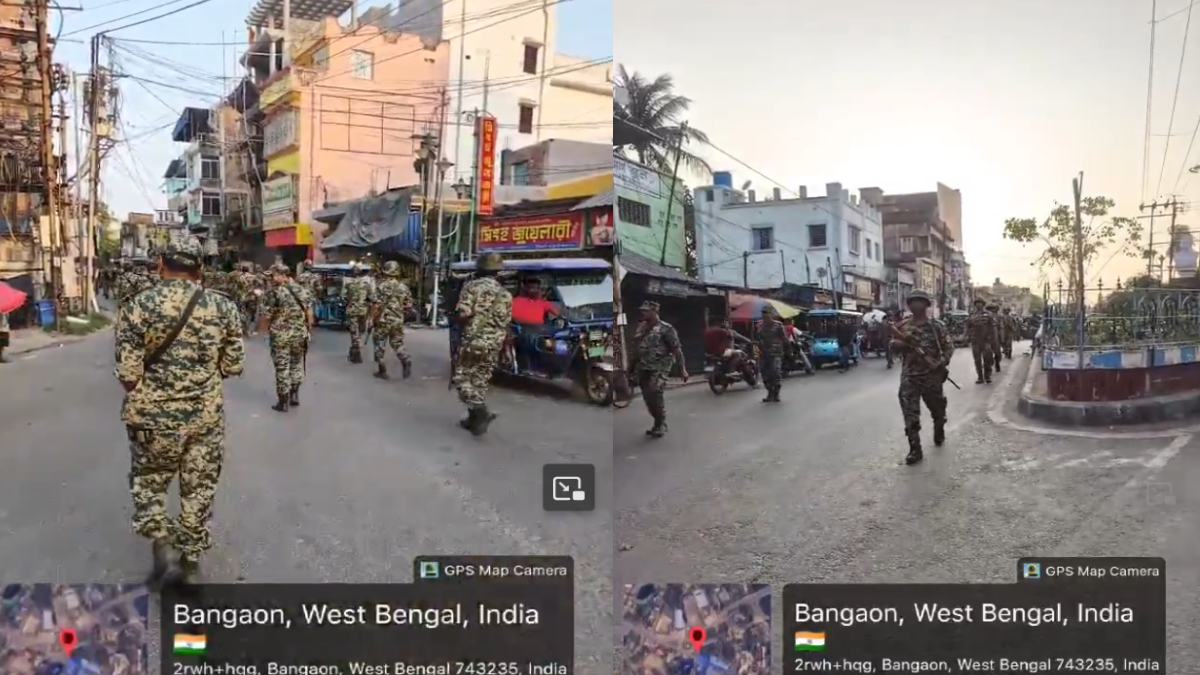
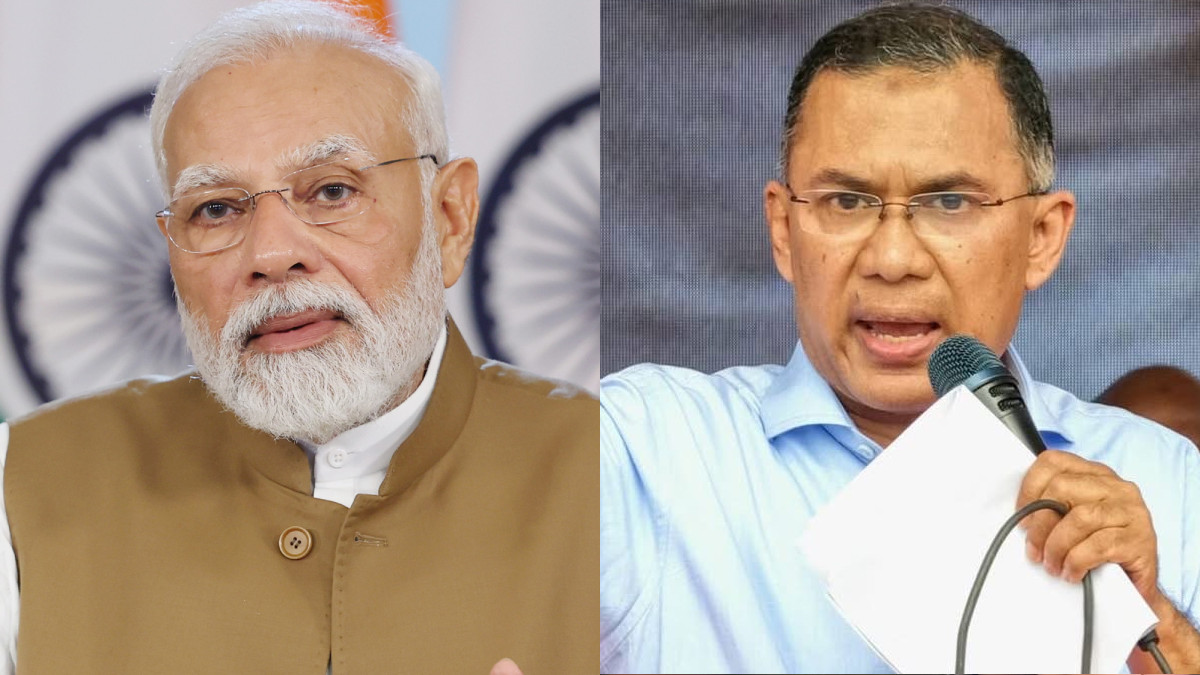
Tensions escalated in Kolkata today as angry protests erupted in response to the ongoing unrest in Bangladesh, igniting a diplomatic face-off between Dhaka and New Delhi. The demonstrations, primarily led by various Bengali organizations and student groups, highlight the growing concern and divisive sentiments surrounding the political turmoil across the border.
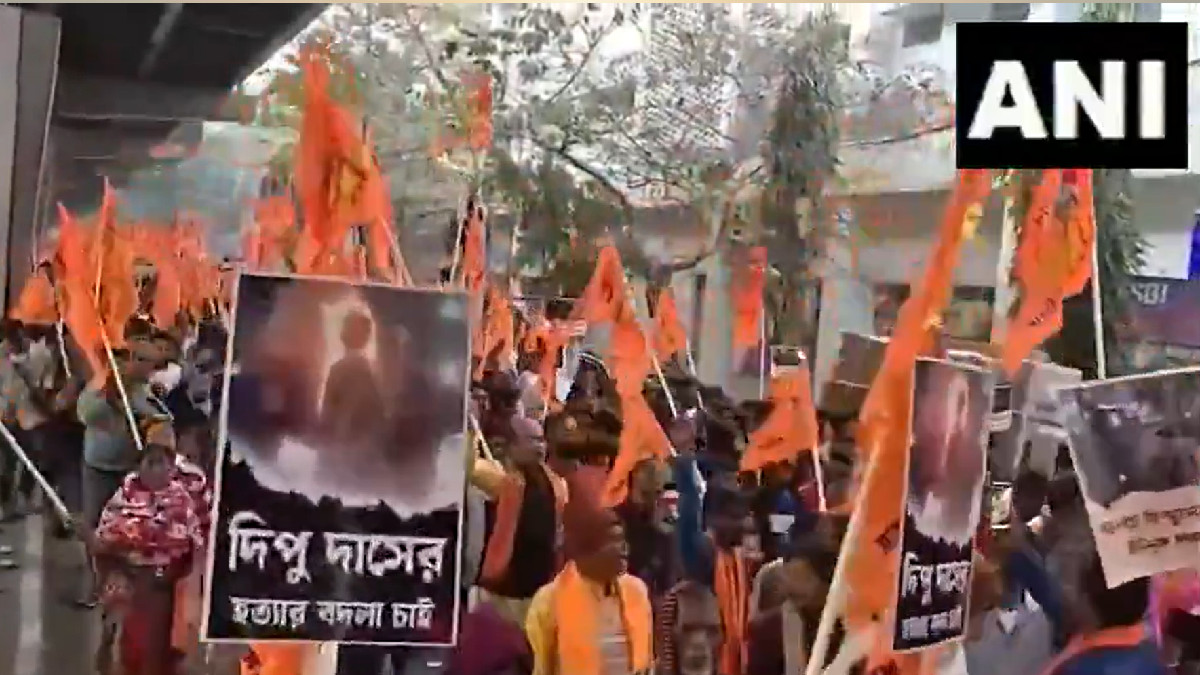
10 Points on the Bangladesh Unrest and its Spillover to Kolkata:
- Mounting Unrest in Bangladesh: Bangladesh has been gripped by widespread protests and political clashes following controversial election results and allegations of widespread human rights abuses by the ruling party. The opposition has called for continuous hartals (strikes) and demonstrations.
- Allegations Against India: A significant faction of the Bangladeshi opposition and certain Islamist groups have accused India of interfering in Bangladesh's internal affairs, specifically of tacitly supporting the incumbent government. These allegations have fueled anti-India sentiment in parts of Bangladesh.
- Diplomatic Protests: The Bangladeshi High Commission in Delhi and India's High Commission in Dhaka have seen several diplomatic protests lodged by opposing factions, each accusing the other of various transgressions, from electoral interference to inadequate protection of minorities.
- Kolkata Protests Erupt: In a direct spillover, Kolkata witnessed a series of agitated protests. Rallies were organized by diverse groups, including student unions, Bengali nationalist organizations, and Islamist outfits, near the Bangladesh Deputy High Commission in Park Circus.
- Demands for Intervention/Non-Intervention: Protesting groups in Kolkata had conflicting demands. Some called for India to intervene to protect minorities in Bangladesh, while others vehemently demanded India cease all interference in Bangladesh's sovereign matters.
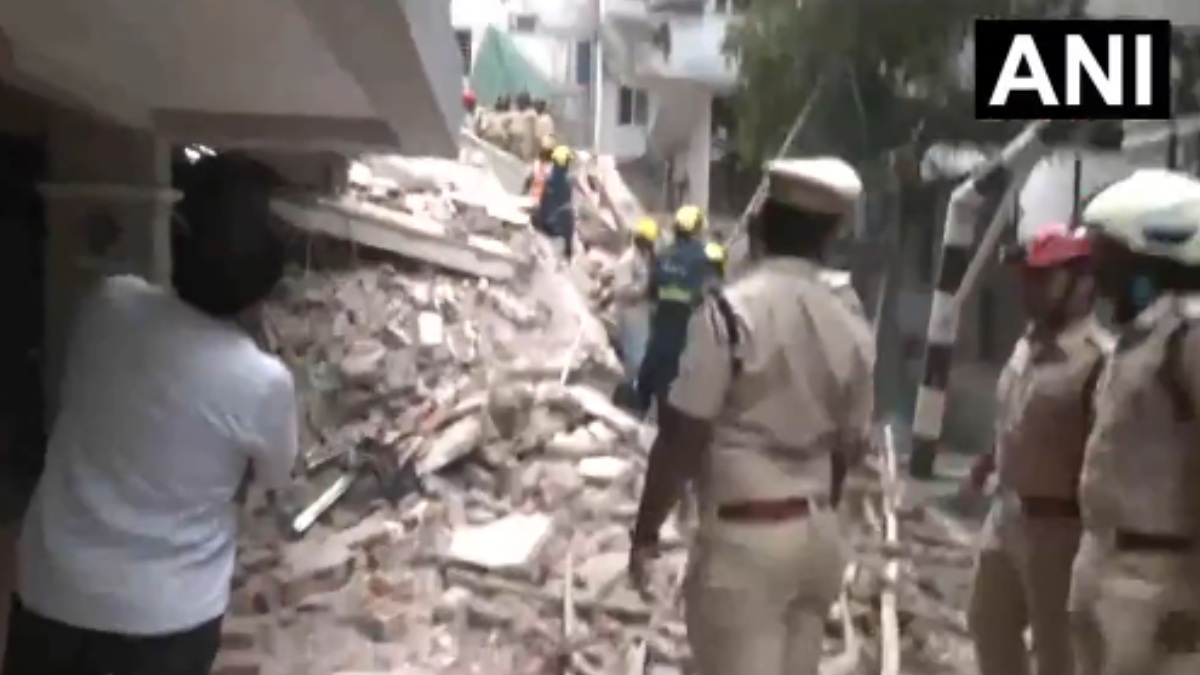
- Police Deployment & Containment: Kolkata Police deployed a significant contingent to manage the protests, setting up barricades and diverting traffic to prevent clashes and maintain law and order, especially around the diplomatic mission. Several minor scuffles were reported but quickly contained.
- Impact on Cross-Border Relations: The protests and diplomatic exchanges underscore a growing strain on the historically close ties between India and Bangladesh. The unrest threatens not only bilateral political relations but also economic and cultural exchanges.
- Concerns for Minorities: A key point of contention is the safety of minority communities (Hindus, Buddhists, Christians) in Bangladesh, with reports of targeted violence surfacing. This has resonated strongly with communities in West Bengal, leading to calls for Indian protection.
- Indian Government's Stance: New Delhi has officially maintained a stance of non-interference, stating that it is closely monitoring the situation and calling for peace and stability. However, the accusations of interference persist among some factions.
- Further Escalation Feared: Analysts suggest that if the unrest in Bangladesh continues, the diplomatic face-off could intensify, potentially leading to more widespread protests in Indian border states and further complicating regional stability.