The day was created in 1993 by the United Nations because they saw and felt the necessity for people to have a knowledge that we are constantly working on water (or so we must water water day) and this is called World Water Day and the need for this kind of discussion worldwide (such as its significance with respect to global warming). In 2026, all countries celebrate each year on March 22 and water should always be the theme of World Water Day, something we know how water affects genders differently in the world and there is a reason why equal access to water should exist.
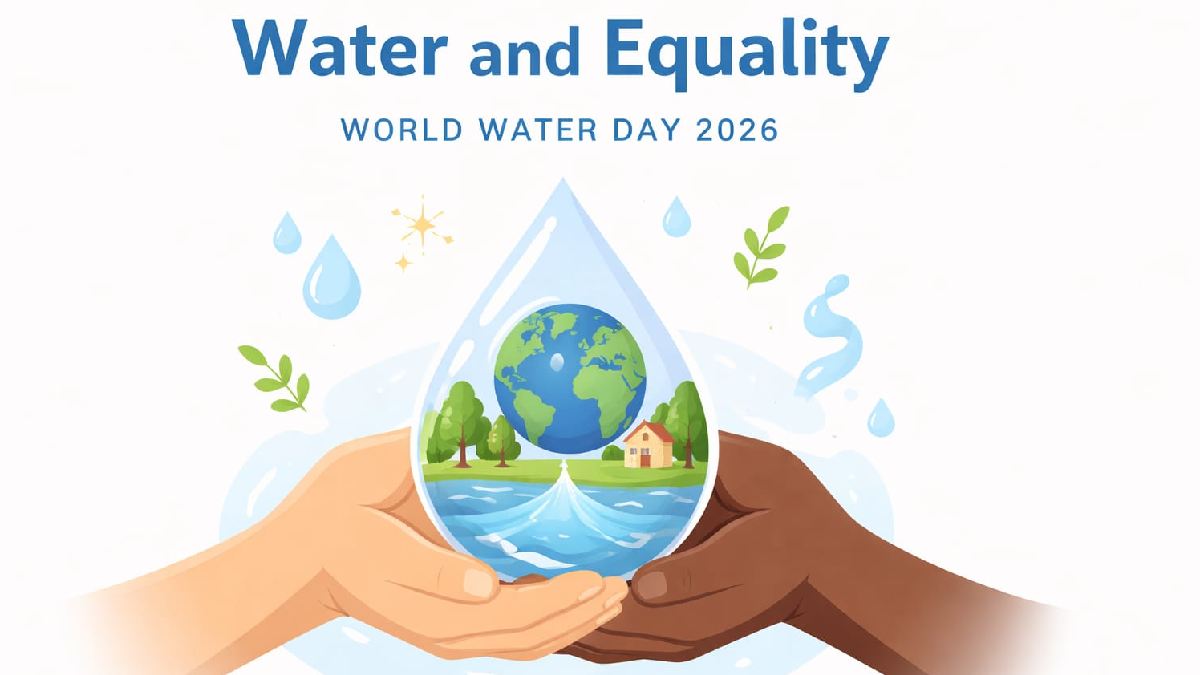
Water is the backbone of life. We drink it, cook it, raise food with it, and use it as health hygiene because as long as we have clean water, we can't stay healthy or grow as civilizations. And it’s still that case for billions of people who are still without safe drinking water: Climate change, pollution and expanding population just make drinking water worse.
The relationship between water and gender and water supply in women and girls. In many countries, women and girls are responsible for collecting water for family needs. This job is frequently as long as an hour every day and girls might miss school and women might lose their chance to have jobs and earn money. Walking long distances for water to fetch water is dangerous, too. Women are spending millions of hours a day just carrying water, reports say. And water scarcity is not just environmental, water scarcity is fair and equality, fairness can take care of both of us too.
Water and Gender for 2026: The theme of this year is to give water a gender perspective. Women are at the center of water shortages, but are largely sidelined in the decision process and in decision-making around water rights and what people do about them. There are positive and constructive solutions in water that have an investment to make that are based on providing for women leadership and planning so as to allow for water solutions to be a stronger and fair matter as well.
Global Challenges
- 2.1 billion people do not have safe drinking water.
- 4 billion people experience severe water shortages, at least one month as a consequence each year.
- Climate change is increasing droughts and floods; thus water issues are getting harder to confront.
What We Can Do
- In the home, avoid water wasting by fixing leaks.
- For projects that supply clean water to villages and towns and in villages.
- Does water equal gender equality?
- Encourage women to take water leadership roles at a leadership level for women with their women in water.
The World Water Day 2026 demonstrates that you have not only your survival in and for water: water should also be based on equality and justice. We must ensure everyone (women and girls, and especially women and girls) in this world who need clean water, is cared about through Water and Gender as this is the key on world water day. Water does matter more, and more if it is shared so fairly, than if not equal.