R. Parthiban filed a Public Interest Litigation (PIL) to make the process of applying for ‘No Caste, No Religion’ certificates in Tamil Nadu easier. The petition has raised the issue of individual identity, administrative procedure, and the right of citizens to choose not to identify with any caste or religion in official records.
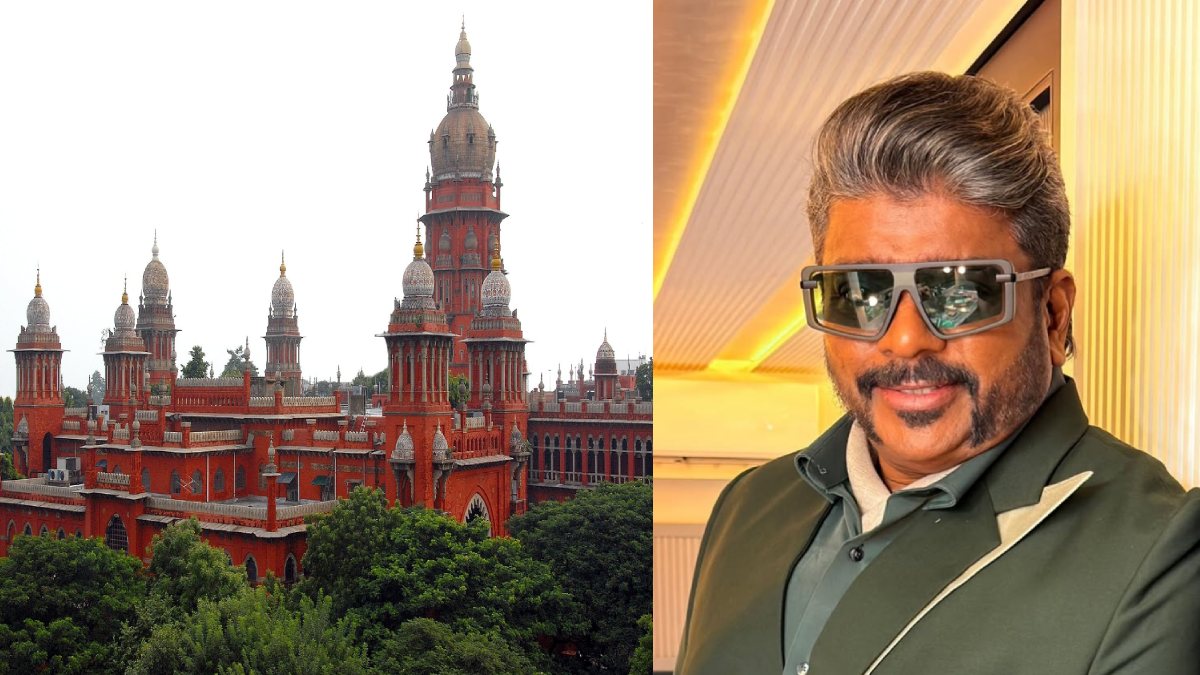
The petition says Parthiban will ask the High Court to make public and accessible the process for issuance of such certificates. The PIL says a person who chooses not to belong to a caste or religion should not face a process of delay in obtaining official recognition of that choice.
The ‘No Caste, No Religion’ certificate has drawn attention in recent years as people distance themselves from caste-based and religious identities. The Indian Constitution guarantees freedom of conscience and the right to freely profess, practice, or abstain from religion, but applicants have often struggled in obtaining official documentation reflecting their individual choice.
The petition is believed to have made clear the need for a uniform and predictable mechanism for issuance of such certificates to eligible applicants without delay and uncertainty, to allow for a clear and uniform administrative framework. Parthiban also requests that the government make the application process simpler and that the certificates are issued in the same way across departments which are responsible for issuing them.
The Public Interest Litigation will raise important constitutional and administrative questions about personal liberty, equality, and freedom of belief. Legal experts say it’s inevitable that the matter will also go through government processes, legislation, and previous judicial decisions regarding recognition of those who refuse to affiliate with any caste or religion.
The petition does not seek to alter the constitutional provisions or reservation policies. It only seeks to simplify the administrative processes for people who voluntarily apply for official documentation that they do not belong to any caste or religion. The High Court’s consideration of the PIL will therefore be concerned with procedural clarity and administrative efficiency and not more fundamental policy changes.
The issue also shows changing social attitudes—in part, because some people want identities beyond caste and religion. Citizens should be free to declare themselves neither as a member of caste nor as a member of a religion if it is their private belief or values. And if such an administrative system is to work, it needs to be done right; in a way that is legal and not used at all.
Legal scholars believe the case will be the launchpad for conversations on how government records could accommodate individual decisions while still adhering to existing laws and government regulations. If the court lays out guidelines, the state government may need to draft or clarify guidelines for issuing such certificates.
Parthiban has a long association in Tamil cinema as an actor, director, and writer and has spoken out about social issues through his films and his public performances. His decision to go forward and make a PIL shows the role public interest litigation plays in the judiciary in matters that affect the people beyond private disputes.
Public Interest Litigations have been a major legal tool in India, and courts should consider questions of governance, public welfare, environmental protection, education, and constitutional rights. The courts use PILs to get responses from government and public authorities so that administrative action keeps to constitutional principles.
The Madras High Court is expected to hear the matter and decide if notices should be issued to the concerned government departments. The court might also query the state government about the current procedure for issuing ‘No Caste, No Religion’ certificates and whether it merits more reforms.
The outcome of the case could have implications for citizens who wish to formally record their decision not to identify with any caste or religion in official documents. The legal process is still in its infancy, and the petition has so far drawn much attention to the public interest as it has already raised questions of personal identity, constitutional rights, and administrative accessibility.
In the case before the Madras High Court, all eyes will be on the judicial proceedings to see if the PIL leads to clearer guidelines and a more streamlined process for individuals seeking ‘No Caste, No Religion’ certificates in Tamil Nadu.