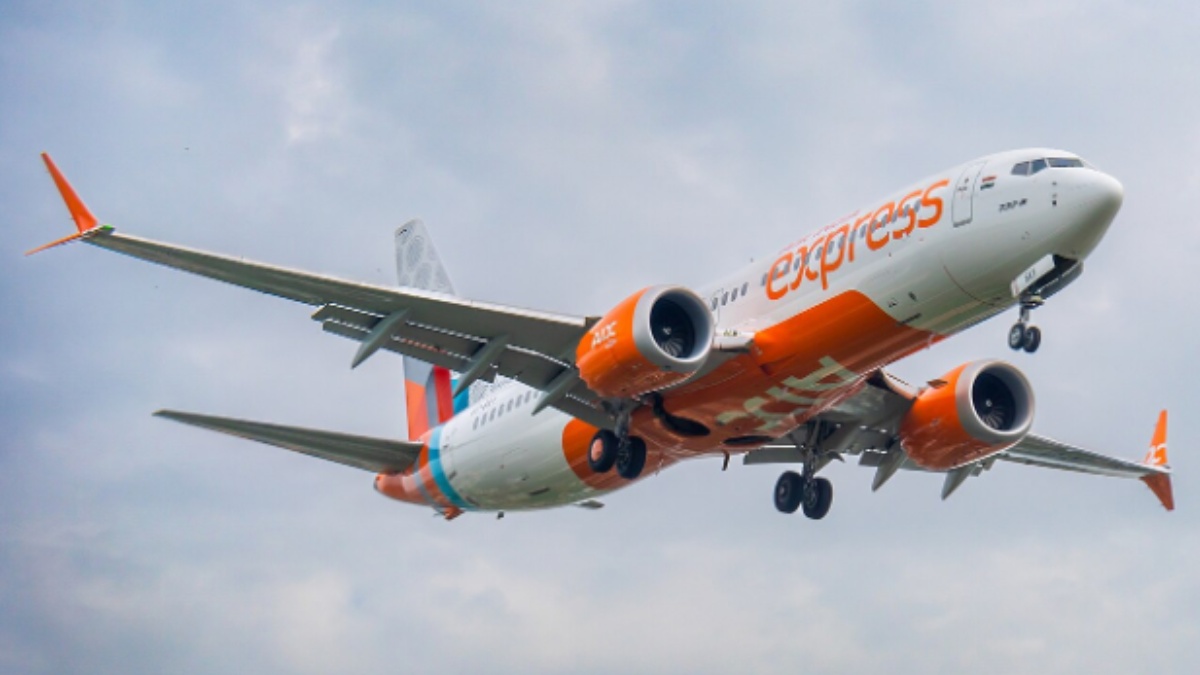
Air India Express has suspended eight crew members, including four pilots and four cabin crew members, for 3 months after they did not complete a mandatory post-flight breathalyser procedure within the prescribed time limit. The incident came after an international flight from Dubai to Amritsar on August 2, 2026, and has also been reported to the Directorate General of Civil Aviation (DGCA).
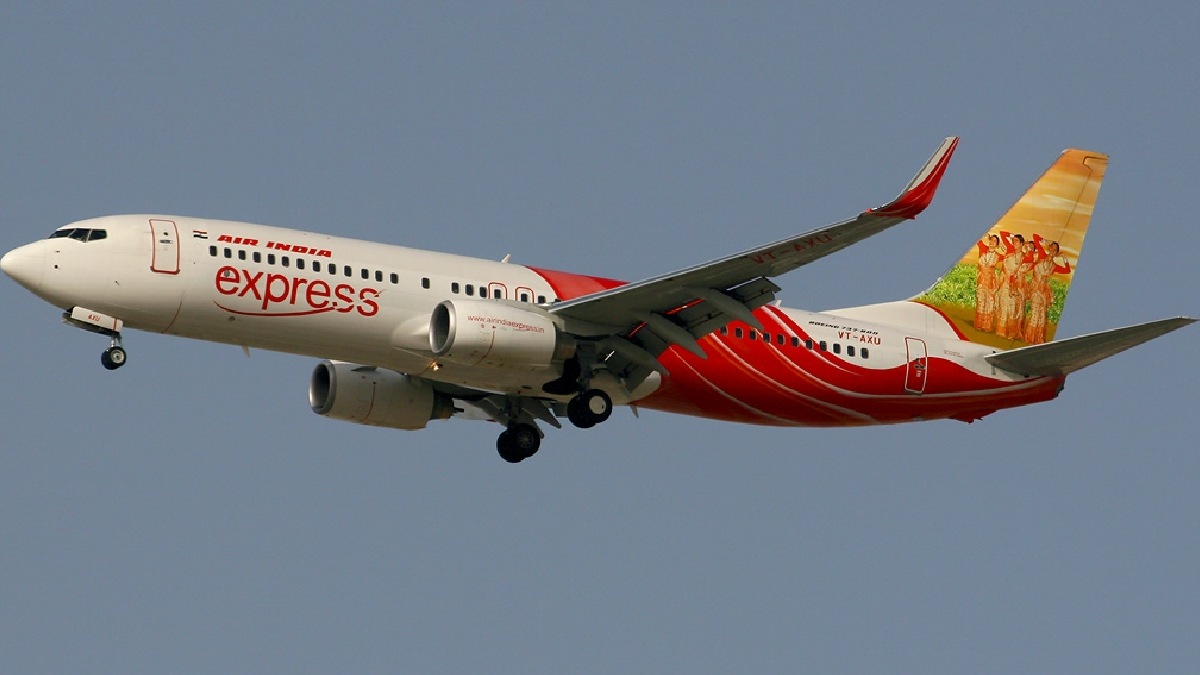
The crew members were operating Air India Express flight AX-192, which landed at Sri Guru Ram Das Ji International Airport in Amritsar at around 9:50 a.m. on August 2. According to aviation law, crew members who fly international flights are required to conduct alcohol testing within two hours of landing in India. In this case, the declaration and testing process was obtained after the specified time. The declaration was made a bit late (about two hours and 35 minutes after arrival).
The eight-person crew were two pilots-in-command, two co-pilots, and four cabin crew members. According to reports, the crew eventually took the required tests and all members recorded negative results. The airline also tested for blood and urine samples as it examined the reasons for the delay, and the results were also negative.
But even with the negative test result, the delay was still a regulatory and procedural problem. Air India Express reported the matter to the DGCA, and the eight crew were disciplined by the airline. The three-month suspension highlights the importance aviation authorities place on compliance with prescribed post-flight testing timetables for crew returning from international flights.
The episode comes at a time when pilot testing and aviation safety procedures are under growing regulatory scrutiny in India. The DGCA has recently ordered a one-time screening of pilots working for airlines operating in the country for psychoactive substances. Airlines have to complete the exercise by July 2027, it said.
The increased focus on pilot tests comes after an incident on an Air India Phuket-Delhi flight on August 4; an Airbus A320 had a sudden altitude change after a short failure with its hydraulic systems, and it landed safely in Delhi. Twenty-four people, including passengers and crew, were injured, according to reports.
The incident also came under scrutiny because the pilot-in-command was required to take a psychoactive-substance test. The initial test was confirmed, while the confirmatory test turned out to be positive for marijuana. Both pilots were pulled off the flying roster for further investigation and testing.
Following that incident, Air India announced mandatory screening of its pilots for prohibited substances and medications on the spot, and then for their pilots for prohibited substances and medications. The exercise would go beyond regulatory requirements and would cover all of its pilots, the airline said. The move was part of the airline’s larger efforts to strengthen safety procedures and reassure passengers as pilots were being tested more closely as pilots’ testing was coming under increasing scrutiny.
The DGCA's new one-time screening directive extends the focus beyond the Air India group to pilots across Indian airlines. The regulator’s action shows increased focus on the current framework for psychoactive-substance testing in the aviation sector. Prior talks had also discussed changes in the frequency and scope of pilot testing.
However, for the eight Air India Express crew, the new disciplinary action is related to the delayed post-flight testing process and not to a positive alcohol or drug test. As eight of them have been told to have tested negative, the suspension of three months is based on not following a prescribed testing schedule. The case shows how aviation safety regulations can come at a price when the results of future tests indicate nothing is detected of substances that are considered to be dangerous.