As part of the latest anti-corruption drive in Iraq’s recent history, the country has witnessed the arrest of Alia Nassif, who has been accused of corruption, after security forces seized more than 20 billion Iraqi dinars (around $15.5 million or ₹146 crore) in cash and gold from her home in Baghdad. As regional media reported, elite security forces converged on Baghdad’s heavily fortified Green Zone and other locations and conducted a series of raids on politicians, lawmakers, and government officials suspected of involvement in large-scale corruption and money laundering networks. But it was because of judicial warrants issued as part of an investigation into alleged financial crimes involving public money laundering, officials said.
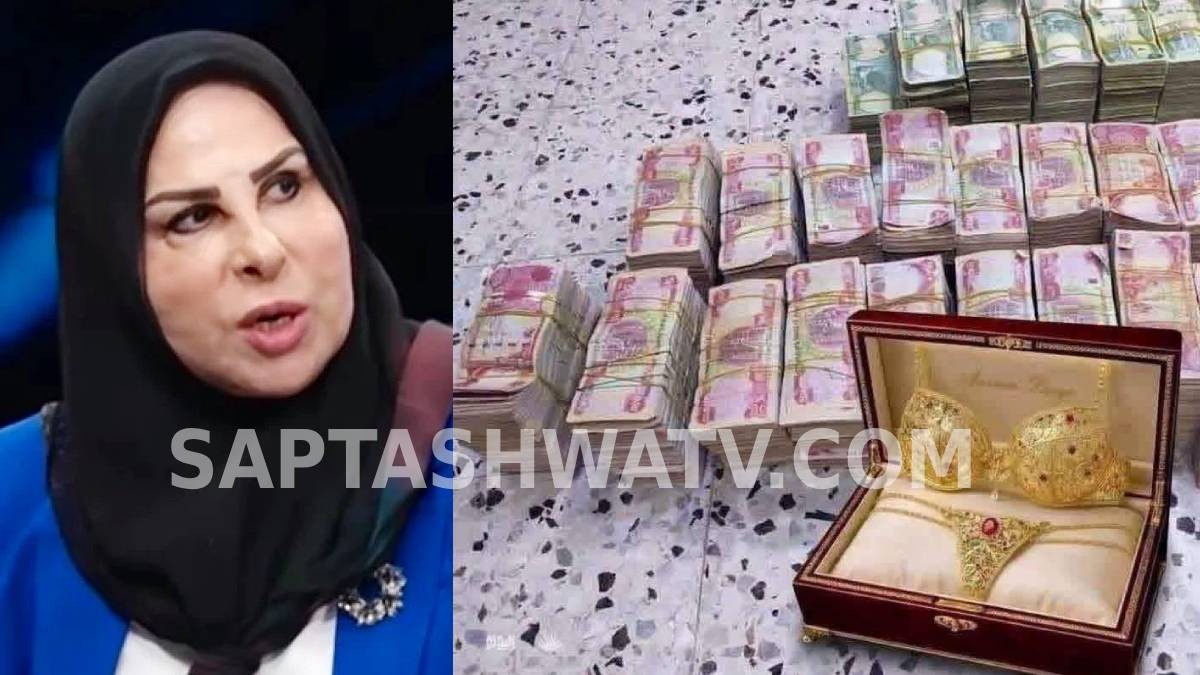
Investigating Alia Nassif’s residence, investigators discovered more than $15.5 million in cash (about ₹146 crore) and gold in the home of Alia Nassif, the investigators said. Iraqi media said the son of Nassif, who had previously worked as chief of staff to former Prime Minister Mohammed Shia’ Al Sudani, was arrested alongside her as a result of the investigation.
The arrests are part of what Iraqi officials say is the first stage of a broader anti-corruption campaign. Publicly, Prime Minister Ali Al Zaidi has said corruption has become entrenched in Iraq's institutions and that his government is determined to recover looted public money and hold influential people accountable, irrespective of their political affiliation.
There are reports that the nationwide operation has already resulted in the detention of dozens of politicians, members of parliament, and senior government officials. Assets worth tens of millions of dollars, including cash, foreign currencies, gold, luxury valuables, and other properties, have been seized during several raids in recent days, authorities said.
The investigation was apparently initiated after the arrest of a former deputy oil minister whose testimony may have assisted investigators in identifying hidden assets and people involved in the corruption network. Investigators have since searched homes and private properties for more cash and have uncovered what officials say is a vast system of financial fraud with public money.
Even if the arrests and the reported seizure of about ₹146 crore in cash from Alia Nassif’s residence have been widely reported by regional media, some sensational claims circulating on social media (e.g., inflated figures and unrelated viral images) have not been officially verified by Iraqi authorities. Some fact-checking reports have warned against sharing unverified content that goes beyond the confirmed details of the investigation.
Political analysts say that the anti-corruption campaign is one of Iraq’s most ambitious efforts to rebuild public confidence in government institutions, in the aftermath of years of allegations of embezzlement, bribery, and misuse of state assets. More arrests are expected as investigations continue, and more evidence is reviewed, the government has said.
The case has drawn global attention because of the huge amount of cash recovered and the involvement of high-profile political figures. If the allegations are proven in court, the investigation could become one of Iraq’s largest corruption prosecutions in recent years. As legal proceedings proceed, authorities say they are committed to tracing the origins of the recovered funds and making sure that public assets are returned to the state.