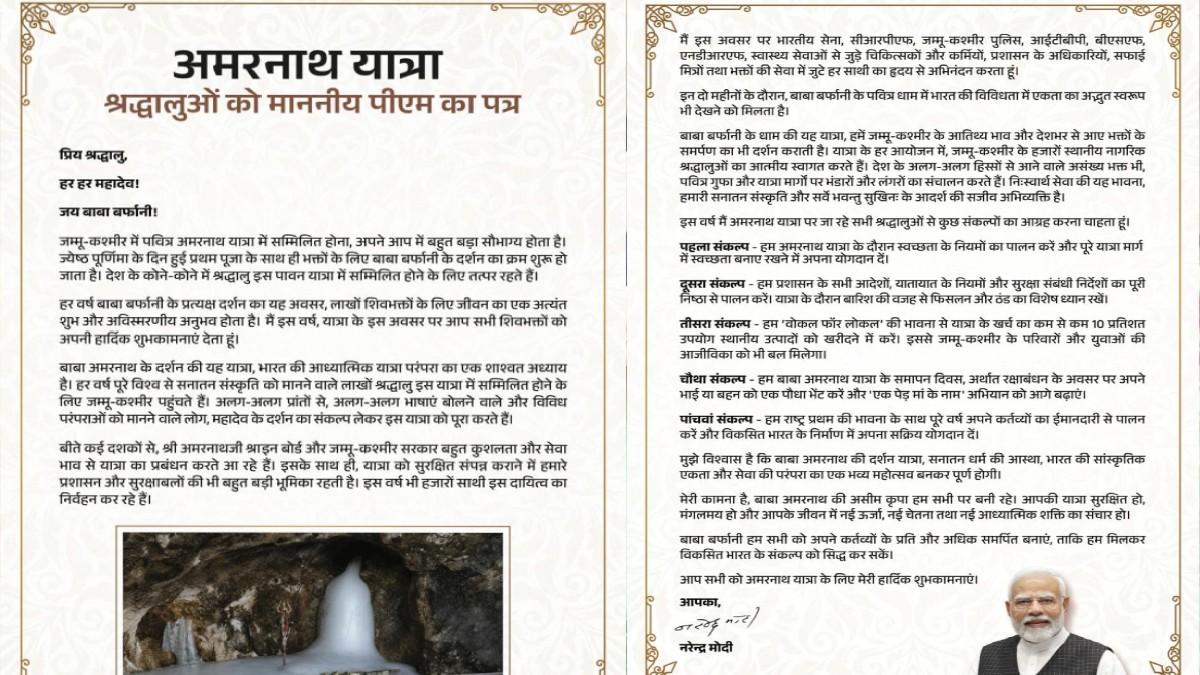
The Amarnath Yatra, one of Hinduism’s most celebrated pilgrimages, has been disturbed by this year’s unexpected development. It was reported that the naturally formed Ice Shivling within the holy Amarnath Cave in Jammu and Kashmir has melted in five days of the pilgrimage, and thousands of devotees are saddened.
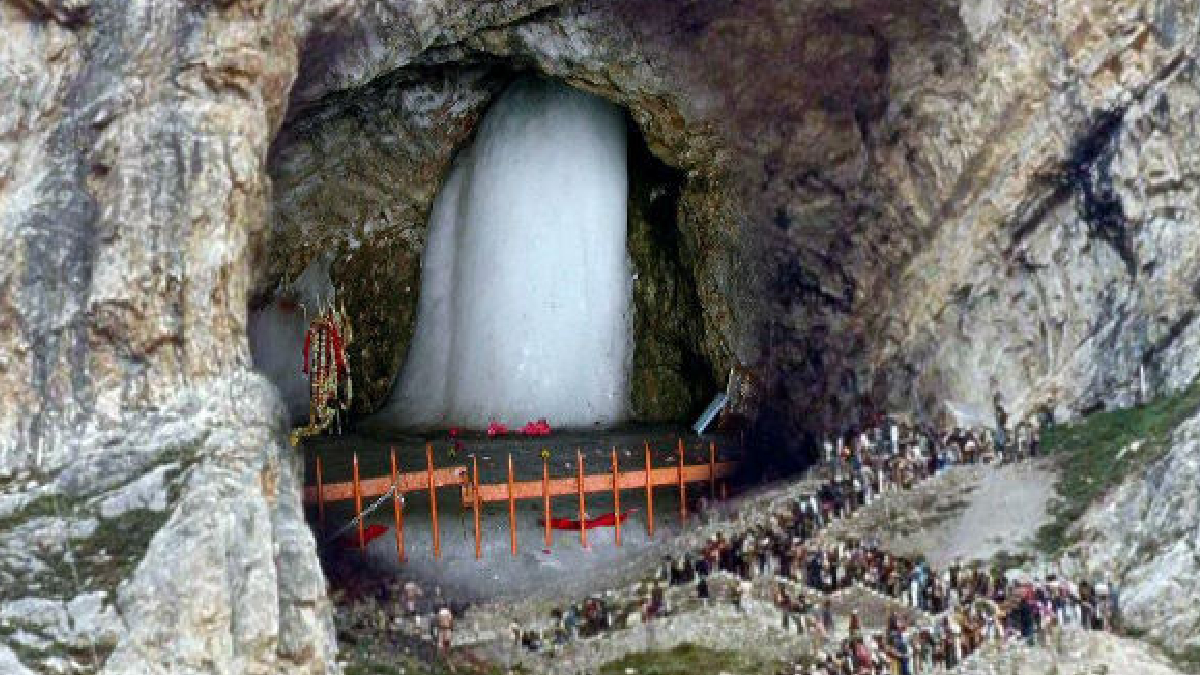
Every year, lakhs of people go to the Himalayan mountains to seek blessings in the cave, to which the naturally formed Ice Shivling, as a manifestation of Lord Shiva, is the holy temple. Ice is visible for a large portion of the pilgrimage season. But this year's unusually fast melting has worried the devotees and environmental experts alike.
Pilgrims Disappointed by the Early Melting
Many devotees who arrived at the shrine in the early days of the pilgrimage were surprised to see that the Ice Shivling had already reduced to a very small size. For many pilgrims, the naturally formed Shivling is the spiritual highlight of the yatra, so the early melting was very disappointing.
Even though the ice is less, pilgrims have been offering prayers, singing hymns, and taking part in religious rituals inside the cave, and their faith is still there with the Shivling beyond the physical form of the Shivling as well.
Experts Point to Rising Temperatures
Environmental scientists believe the rapid melting is likely to be associated with changing climatic conditions in the Himalayan region.
Several factors are believed to have contributed:
- Higher-than-normal temperatures: The Kashmir Valley has experienced warmer conditions than it has ever seen before, leading to faster melting of naturally formed ice.
- Changing snowfall patterns: Snowfall in winter is less, and inconsistent weather conditions are affecting the natural freezing cycle.
- Human activity in the cave: Thousands of pilgrims entering the cave every day, lighting, security, and other working activities can potentially contribute to a slight rise in the cave’s internal temperature, but experts are still investigating the effects.
- The Himalayan ecosystem is especially vulnerable to global warming, and the current state of the Amarnath Ice Shivling is indicative of broader environmental challenges in high-altitude habitats.
A Natural Wonder with Deep Spiritual Significance
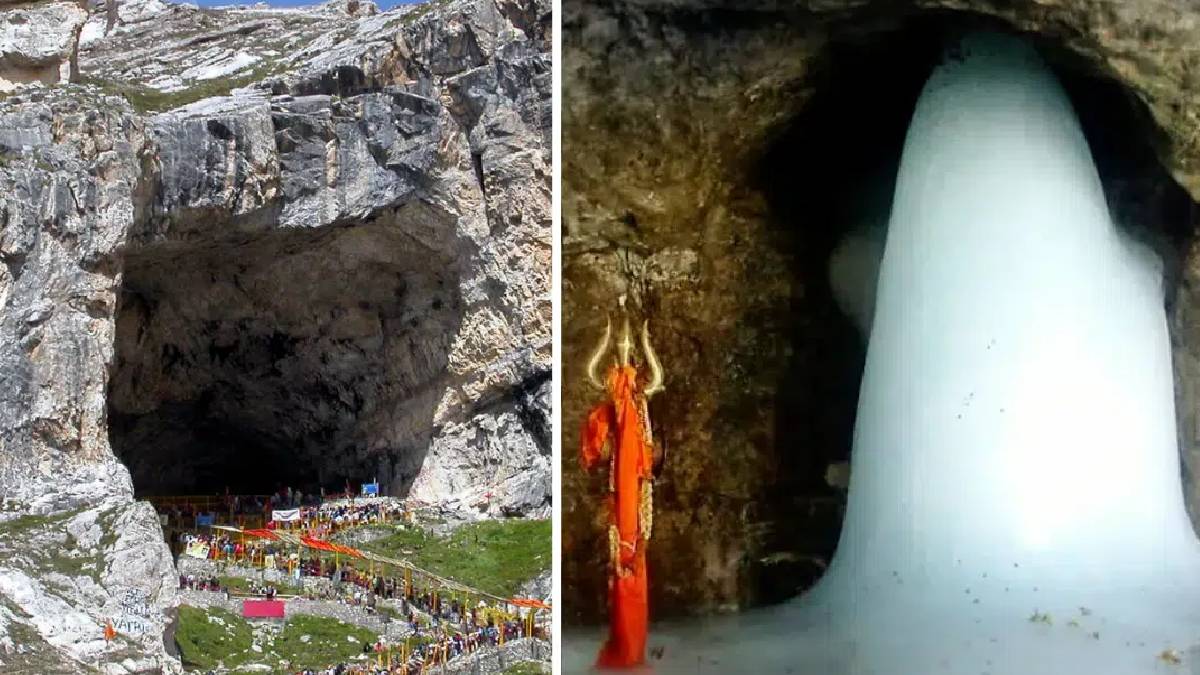
At an altitude of about 3,888 meters, the Amarnath Cave is famous for its naturally occurring Ice Shivling.
The formation develops through a fascinating natural process. The water droplets come from cracks in the cave ceiling and freeze as they reach the cave floor due to the very low temperatures. Layer upon layer of frozen water gradually forms the iconic ice structure worshipped by devotees.
According to Hindu beliefs, the size of the Ice Shivling waxes and wanes in tune with the moon phases during the Hindu month Shravan and thus adds to its spiritual significance.
Pilgrimage Continues Despite Reduced Ice Formation
However, the pilgrimage is on schedule despite the Ice Shivling's melting, the authorities said.
The Shri Amarnath Ji Shrine Board (SASB) and the Jammu and Kashmir administration have maintained all pilgrimage arrangements, such as security, medical assistance, oxygen facilities, drinking water, and emergency services for devotees.
The Indian Army, CRPF, and local police are providing full security along both pilgrimage routes to protect pilgrims and ensure safe passage for them.
Many of the devotees have also said that their faith is not only based on the visible form of the Ice Shivling.
"Lord Shiva is everywhere in every part of this sacred cave, not only in the ice formation," several pilgrims said as they continued their spiritual journey.
A Wake-Up Call for Environmental Conservation
The early melting of the Amarnath Ice Shivling has brought into public view the impact of climate change on fragile Himalayan ecosystems.
Environmentalists say that rising global temperatures are no longer affecting only glaciers and polar regions but are also altering sacred natural sites that hold immense religious and cultural significance.
As millions continue to visit the shrine every year, experts stress the importance of sustainable tourism, environmental conservation, and measures to protect the Himalayan ecosystem for future generations.
Though the Ice Shivling has been reduced, the Amarnath Cave is still a holy place for pilgrims, and the spiritual importance of the Amarnath Cave remains the same, with pilgrims still taking to the holy path to worship Lord Shiva.