India's chilli exporters have urged the Andhra Pradesh government to take immediate action against the use of high-risk pesticides after China rejected several consignments of Indian chillies over safety concerns.
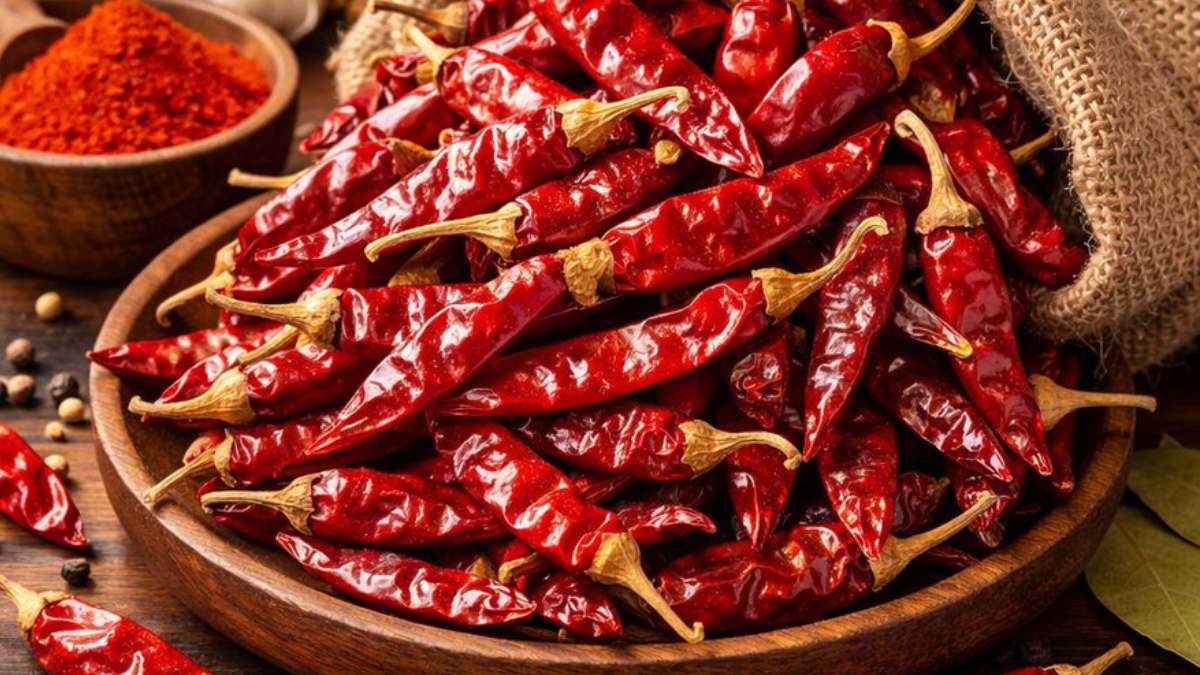
The appeal comes after Chinese authorities suspended imports from three Indian exporters, citing excessive levels of methamidophos, a highly toxic organophosphate pesticide linked to nervous system disorders. The development has raised concerns across India's chilli export industry, particularly in Andhra Pradesh, which is one of the country's largest chilli-producing regions. China remains the biggest overseas buyer of Indian dried red chillies, making the issue especially significant for farmers and exporters alike.
The Chillies Exporters Association of India has warned that continued use of banned or high-risk pesticides could damage India's reputation in key international markets and threaten future export opportunities. Exporters fear that if corrective measures are not taken quickly, other importing countries could tighten inspections or impose similar restrictions on Indian agricultural products.
Industry representatives are calling for stronger monitoring of pesticide usage, greater awareness among farmers, and stricter enforcement of residue standards. They argue that many growers remain unaware of the consequences of using unapproved chemicals, particularly when crops are destined for export markets with strict food safety regulations.
The rejection is a major setback for Andhra Pradesh's chilli sector, which plays a crucial role in India's spice exports. The state accounts for a substantial share of the country's chilli production, with trading hubs such as Guntur serving international buyers from China, Southeast Asia, and other regions. Strong export demand has supported prices in recent years, making access to overseas markets critical for farmers' incomes.

Experts note that global food safety standards are becoming increasingly stringent. Countries are conducting more rigorous testing of imported agricultural products, with pesticide residues emerging as one of the most common reasons for shipment rejections. China has recently increased scrutiny of several agricultural imports, including Indian rice and chilli consignments.
The latest incident has highlighted the need for better coordination between farmers, exporters, agricultural departments, and regulatory agencies. Exporters believe that adopting safer pest management practices and improving residue monitoring can help restore confidence among international buyers.
For India's chilli industry, the challenge extends beyond a few rejected shipments. Maintaining quality standards and complying with global regulations will be essential if the country hopes to protect its position as one of the world's leading spice exporters.