Andhra Pradesh is going through a worrying monsoon season for all districts across the state with deficient rainfall, and this is a very worrying time of production loss and low water availability and rural people’s lives. The water scarcity of rain also makes people feel worried about the situation of standing crops and planting of seedlings.
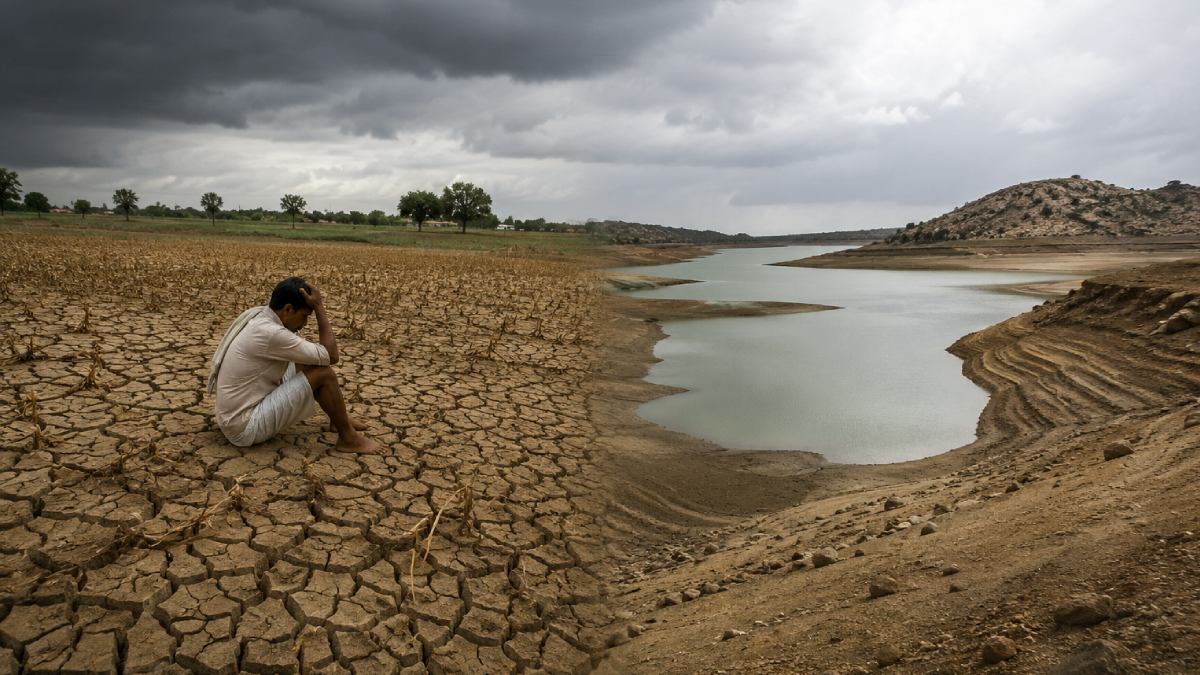
The southwest monsoon is the lifeline of Andhra Pradesh’s agrarian economy, providing much needed water for paddy, cotton, maize, groundnut, pulses, sugarcane and horticultural crops. However, the below-normal rainfall across every district has disrupted farming operations, delayed sowing in several regions, and increased dependence on irrigation facilities and groundwater resources.
Experts in agriculture say that timely and evenly distributed rainfall is essential for healthy crop growth. Some isolated showers have been reported in some regions but the monsoon performance has been much worse than expected and soil moisture in many farming districts has been poor. This has forced farmers to delay farming or resort to expensive irrigation methods to protect their crops.
Districts in Rayalaseema, which are already under water scarcity and are among the areas in severe water scarcity, are also concerned. Farmers farming rain-fed crops have expressed concern on the lack of rains and the possibility for lower yields if rainfall is not improving in the next few weeks. Coastal Andhra districts, although better equipped with irrigation infrastructure, are in some cases also facing difficulties due to erratic rainfall patterns.
The rainfall deficit is not only affecting agriculture but also poses risks to reservoir storage and drinking water. State reservoirs, tanks and check dams depend on monsoon flows to replenish water levels for domestic, irrigation and industrial use. Storage levels are closely monitored as rainfall falls below expectations for months ahead and water managers are anxious about storage levels.
Groundwater recharge has also been a major issue. Reduced rainfall limits the replenishment of aquifers, leading to falling groundwater tables in several regions. This can be very bad for agriculture as farmers depend on borewells for irrigation. Experts caution that continued rainfall deficiency could increase pressure on groundwater resources and raise the cost of agricultural production.
The Andhra Pradesh government and local governments are monitoring the situation through weather analyses and district-level reviews. Andhra Pradesh officials would be working with agricultural agencies, irrigation authorities and disaster agencies to get an idea of the state’s rainfall deficit and make plans for disaster management when the dry spell lasts.
Agricultural scientists have recommended farmers to adopt water conservation methods and choose short-lived or drought tolerant crop varieties when possible. Efficient irrigation techniques such as drip and sprinkler systems can help reduce water consumption while maintaining crop productivity. There is also a need for careful nutrient management and timely field operations to minimize crop stress during periods of low rainfall.
With the India Meteorological Department (IMD) monitoring weather systems that will affect rainfall over Andhra Pradesh in the next few weeks, localized rainfall activity may be enhanced due to the development of low-pressure systems over the Bay of Bengal, which is also associated with more monsoon rainfall in the state, meteorologists say. But if widespread and sustained rainfall is not experienced in all seasons, the seasonal deficit will be a concern.
The rainfall shortage also has broader economic implications. Agriculture contributes significantly to rural incomes and employment in Andhra Pradesh. Lower crop production can affect food supply chains, agricultural markets, and allied sectors such as dairy, poultry, and food processing. Rural households dependent on farming may experience financial stress if weather conditions fail to improve.
Environmental experts stress the need for long-term strategies for climate resilience. Rainwater harvesting, watershed development, groundwater recharge and modern irrigation can help reduce risk of unpredictable monsoon flow. Strengthening weather forecasting systems and providing timely advisories to farmers will also be essential in adapting to changing climatic conditions.
Authorities are optimistic that upcoming weather systems may bring much-needed rain to some parts of the state. Farmers, on the other hand, are hopeful that the monsoon will be able to provide crops and water supplies to sustain the plants and water supply, and continue to look to the sky with hope.
In the current difficult monsoon season of Andhra Pradesh, coordination between government, weather agencies, agricultural experts, and farming communities will be essential to address the effect of deficient rainfall. The next few weeks will be crucial in determining the agricultural and water resource outlook for the state this year.