As usual, August 1, 2026, will also bring several economic and public service regulations at the beginning of every month, as the first of every month will have a lot of important changes to financial and public service regulations in India. The changes we will see in the financial and public service regulations will impact millions of citizens in India and will affect household expenses, travel, travel planning, banking, and postal services.
The RBI and oil marketing companies (OMCs) review these financial and pricing policies at the beginning of each month, and government agencies also introduce a few changes at a time to improve efficiency and transparency.
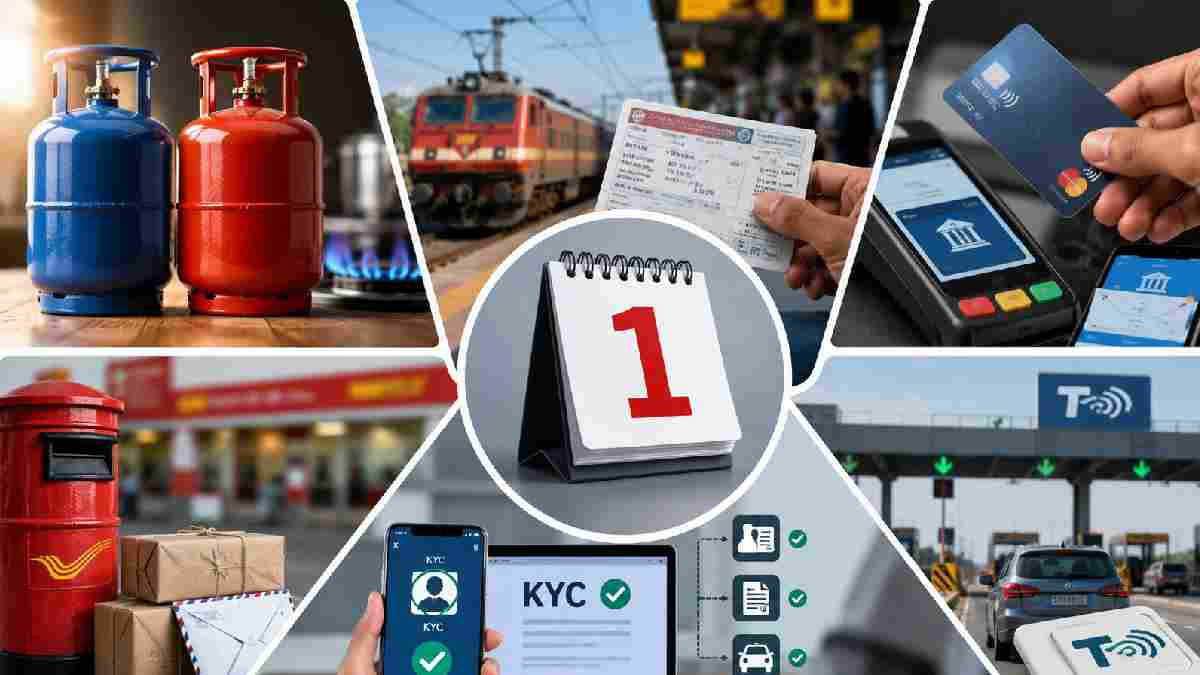
This August, five big changes are expected to come into effect (LPG cylinder prices, railway Tatkal ticket booking, banking and credit card charges, India Post Speed Post tariffs, and FASTag KYC compliance).
1. LPG Cylinder Prices to be Revised
Oil Marketing Companies will announce the revised prices for domestic and commercial LPG cylinders on August 1. LPG prices are reviewed every month based on international fuel prices and domestic market conditions.
The price increase would have a wide range of consequences on household budgets and commercial businesses (e.g., restaurants and small businesses). If prices were cut, consumers would be better off.
2. Changes to Railway Tatkal Booking System
Indian Railways will improve the Tatkal ticket booking system to make reservations more transparent and reduce misuse by touts and automated booking software.
The new system would make passenger verification easier and, in turn, more likely that genuine travellers will get Tatkal tickets at peak times. Passengers should check the latest booking guidelines before embarking on their journey.
3. Banking and Credit Card Charges Might Change
Several banks may revise service charges, transaction fees, and credit card-related charges from August 1. These changes might include changes to ATM transaction fees, maintenance charges, reward programme policies, late payment charges, or other banking services.
We encourage customers to review their banks and credit card providers’ notifications to find out how the changed fee structures affect their accounts.
4. India Post Speed Post Tariffs Modified
The Department of Posts will revise Speed Post charges from August 1. The new tariff structure will affect individuals, businesses, and e-commerce companies who use postal services for document and parcel delivery.
Customers who want to send parcels or have important documents should verify the new postage rates before booking shipments.
5. FASTag KYC Compliance
FASTag users need to ensure that their Know Your Customer (KYC) details are updated with the latest compliance requirements.
If the KYC is not completed within the prescribed date, the FASTag may be restricted, and the tag may be suspended or deactivated. Vehicle owners are advised to verify their KYC status and complete any pending documentation promptly to avoid any delays at toll plazas.
Impact on Household Budget
The cumulative impact of these changes could influence monthly household expenses in several ways. Higher LPG prices would bring kitchen costs up, new banking charges might add to regular financial expenses, and postal tariffs might affect businesses and regular courier users.
Travellers would benefit from a more transparent Tatkal booking system, and drivers need to ensure FASTag compliance to avoid disruptions during highway travel.
Experts recommend that consumers monitor official announcements from the RBI, Oil Marketing Companies, Indian Railways, India Post, and their banks for detailed implementation guidelines and any further updates.
With such changes set to take effect from August 1, 2026, staying informed will help households better plan their monthly finances and avoid unexpected expenses.