Bangladesh has suspended imports of hilsa from India after 103 no-objection certificates were cancelled by fish importers, abruptly stopping a trade flow that had recently reversed the traditional movement of hilsa between the two neighbouring countries.
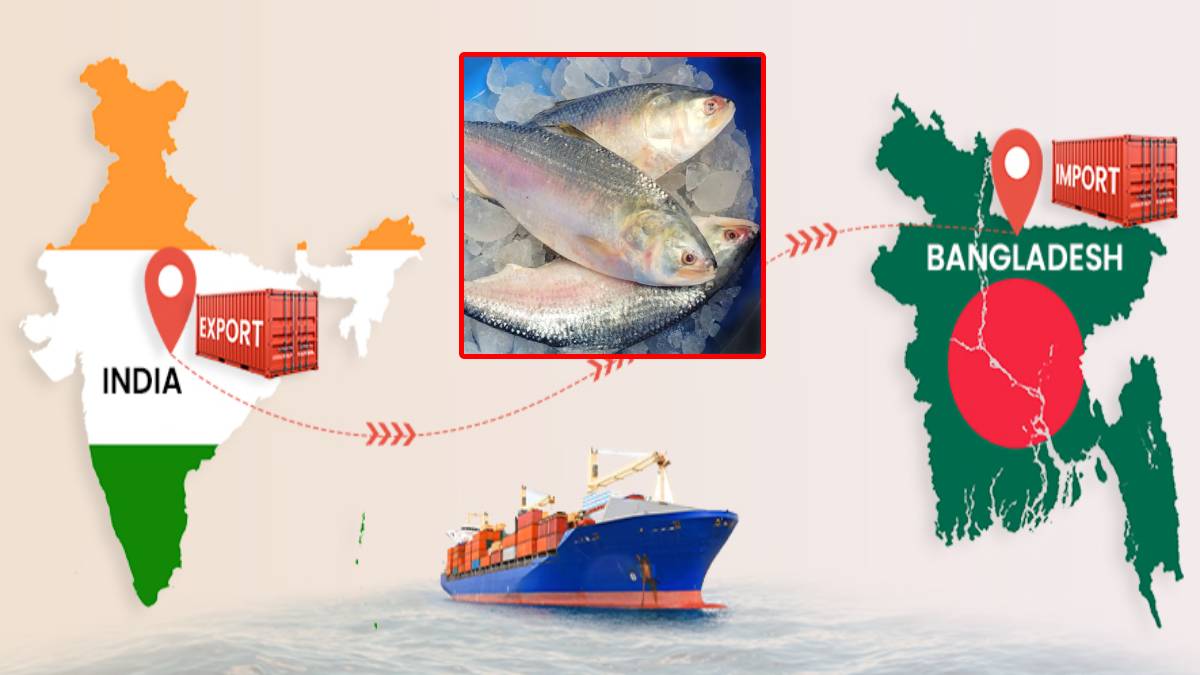
The decision was made on September 23, Bangladeshi reports said. The country’s Department of Fisheries cancelled 103 import permits that stopped Indian hilsa from moving to Benapole land port. But officials have not publicly stated why the suspension was taken.
The development comes after a bizarre shift in the hilsa trade. Bangladesh is one of the major hilsa producers, and it has exported small quantities of the prized fish to India in recent years, especially before Durga Puja. But this year Bangladesh has been importing hilsa from India.
According to different reports, 500-550 tonnes of Indian hilsa had already entered Bangladesh in recent months. Data from Bangladesh’s fisheries quarantine authorities shows 553 tonnes were imported through Benapole from July 20 to September 20. Most of the fish was imported from India, including Gujarat.
The reversal of trade flows has attracted attention because Indian hilsa was being sent to Bangladesh at a time when Bangladeshi consumers and traders were facing supply issues. Indian government data also highlighted the unusual development, with India's Fisheries Ministry saying that around 500 tonnes of hilsa had been exported to Bangladesh over two months.
One reason for the decision was the alleged misuse of imported fish in local markets. Bangladeshi reports said Indian hilsa bought at relatively low prices was being sold as local or Padma hilsa at much higher prices. Some traders and consumers also expressed concern about the differences in taste and quality of Indian and Bangladeshi products.
There are also concerns about import pricing and under-invoicing. Bangladeshi officials and industry stakeholders have discussed whether imported fish could be entering the country at declared prices below its actual commercial value. These are the ones cited by stakeholders, although the fisheries department has not publicly stated a definitive reason for cancelling all 103 no-objection certificates.
The decision could also have an impact on the Indian market before Durga Puja, when Bangladeshi hilsa demand is expected to be high in West Bengal and other parts of eastern India.
Bangladesh had previously allowed limited hilsa exports to India in the festive season but has not exported hilsa to India this year. Now it is becoming more and more difficult to say whether Dhaka will be able to approve such shipments. 18 Bangladeshi companies had earlier this month asked for permission to export hilsa to India before the Durga Puja. Bangladesh's Commerce Ministry was now studying the availability of domestic hilsa and demand in India before the Durga Puja.
The recent halt of Indian hilsa imports has raised fears among Indian fish traders that Bangladesh may also decide against allowing hilsa exports to India this year. But it seems that no final blanket decision on exports to India has yet been made.
The timing is critical because the fishing season and regulatory restrictions could further narrow the window for Bangladeshi hilsa to reach Indian markets before the festive period. Indian traders are closely watching developments in Dhaka for clarity on whether export permissions will be granted.
The situation also shows the changing nature of the Indian-Bangladesh hilsa trade. For many years Indian consumers have been buyers of Bangladeshi hilsa, especially the fish in the Padma and Meghna river systems. But this year trade turned the other way around; Bangladesh is importing hundreds of tonnes of hilsa from India to meet its own needs.
For Indian consumers, especially in West Bengal, the immediate concern is whether Bangladeshi hilsa will be available during Durga Puja. If export permission is not granted, traders may have to rely more heavily on domestic and Myanmar supplies.
At present, Bangladesh’s suspension of Indian hilsa imports is confirmed, and questions of whether Bangladeshi hilsa will be exported to India are unanswered. Bangladesh will see more clarity about domestic supply, festive demand, and exporters’ applications in the coming days.