Bangladesh will receive 200 broad-gauge passenger railway coaches under the agreement with India for a total of ₹915 crore, and delivery is planned for December 2027. The agreement is just another step in an already growing infrastructure and transportation cooperation between India and Bangladesh, and is a reflection of the close relationship of the country with its neighbors and close economic and strategic ties.
The procurement will also be of great help to Bangladesh to modernize its train service system, improve passenger service, and increase transportation capacity. At least the contract will support India as an emerging exporter of railway equipment and is also a validation of India's strength in the domestic rail manufacturing industry.
In recent years, Bangladesh’s infrastructure development plan has made rail transport a central part of its development strategy. Bangladesh Railways is investing billions of dollars into tracks, signaling systems, locomotives, and passenger coaches, as well as in passenger numbers, load, and freight volume increase. The introduction of 200 new broad-gauge coaches will improve the safety and comfort of rail services and make Bangladesh Railways and other rail services safer, more comfortable, and more reliable.
The new coaches will replace aging rolling stock and expand Bangladesh Railways’ overall passenger capacity. Modern passenger coaches do have better seating arrangements, better ventilation and air-conditioning systems where available, improved safety features, improved suspension for smoother journeys, and increased accessibility. They should have certainly improved passenger comfort and required less maintenance compared to older coaches.
It’s also a great victory for India’s railway industry. India has worked so hard to develop its railway industry and to make high-quality coaches, locomotives, metro trains, freight wagons, and other equipment that is up to international standards in the past few years. Indian railway manufacturing plants are now also providing rolling stock to countries such as Africa and Latin America, and so India is leading in the international railway industry.
For India's railway sector, this ₹915 crore order will help in manufacturing, employment, and the supply chain in steel, engineering components, electrical systems, interiors, braking equipment, and other railway technology. If successful in this project, India would have a better chance of getting more export contracts from countries that are looking for reliable and cost-effective railway solutions.
But the agreement is more than just commercial in nature; it is also of great diplomatic value. India and Bangladesh have been in a long-term partnership in terms of trade, energy, digital connections, border infrastructure, waterways, and transport for years now. Railways are now the most visible aspect of this partnership, with both countries working together to reestablish historical railway links and transport, freight, and passenger connections across borders.
Some cross-border railway connections between India and Bangladesh have already enhanced tourism, business travel, and trade by increasing India-Bangladesh travel. Greater cooperation in the railway will also facilitate regional economic integration, as it will result in lower transport costs and quicker transport of goods and people-to-people interaction. The introduction of passenger coaches will also enhance this cooperation further and help Bangladesh meet its transportation goals and show India’s manufacturing capacity.
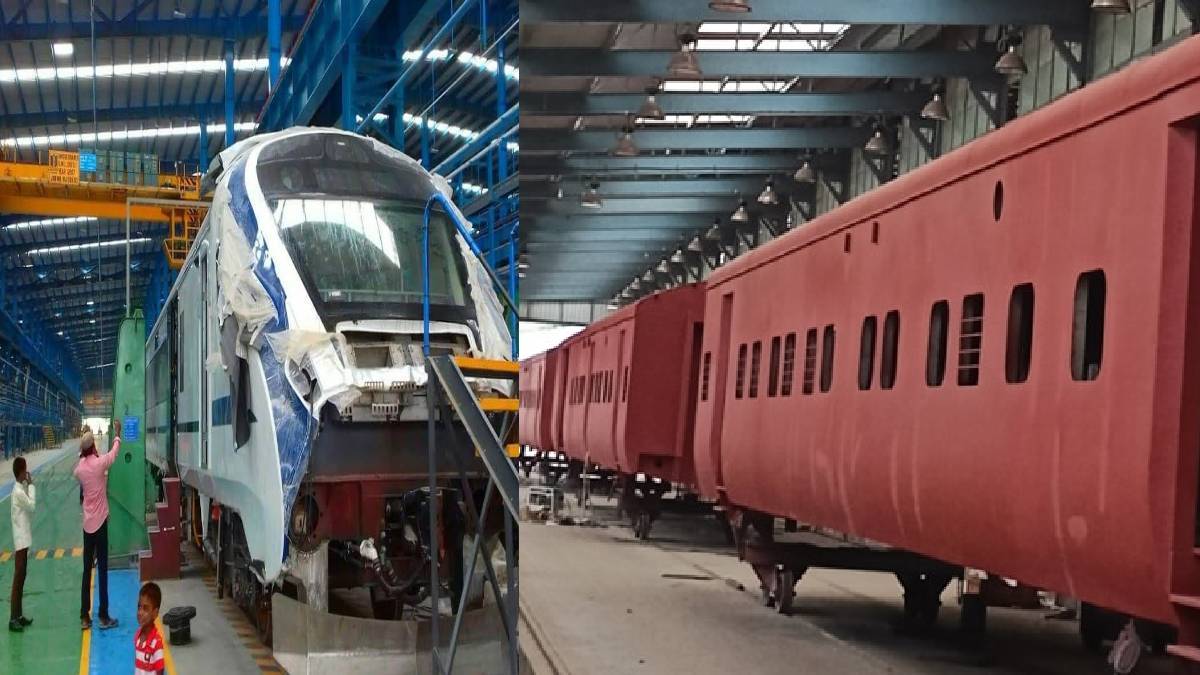
The delivery schedule up to December 2027 will provide enough time for the production, testing, quality assurance, and phased deployment of the coaches. The manufacturing will take place at Indian railway production facilities with the latest technology and quality-control systems. Each coach will be built according to Bangladesh Railways' technical specifications in order to be compatible with the country’s broad-gauge rail network.
The agreement also reflects the general trend in South Asia of infrastructure-led cooperation. Modernization in transportation is now regarded as a key factor for economic growth, logistics cost reduction, regional trade, and mobility. With countries in the region increasingly upgrading their transport networks, partnerships like this one show that neighboring countries can work together to achieve joint development objectives.
Rail transport is considered one of the most efficient and environmentally sustainable transportation modes. Expanding modern railway connections would reduce road transportation reliance, reduce fuel consumption, reduce traffic congestion, and reduce greenhouse gas emissions. With the investment in new passenger coaches, Bangladesh is moving toward a better public transit system.
The ₹915 crore agreement goes beyond the purchase of railway coaches. It signals an increase in India’s manufacturing capabilities, supports Bangladesh’s modernization agenda, strengthens bilateral cooperation and highlights the importance of regional infrastructure partnerships. When all 200 coaches are delivered by December 2027, the project will improve passenger service, increase railway capacity, and strengthen economic and transportation links between the two countries for years to come.