Bengaluru’s ongoing water pollution was once again put in sharp focus by the Greater Bengaluru Authority (GBA) Chief Commissioner M. Maheshwar Rao who ordered officials to take immediate corrective steps to ensure the water quality of 32 severely polluted lakes in the city.
The directive came at a high-level review meeting held on Friday, which dealt with the K-100 stormwater drain’s status, lakes in Class E water quality and road restoration work. They were ordered to accelerate coordination between the various agencies and take quick action to restore the city’s failing water bodies.
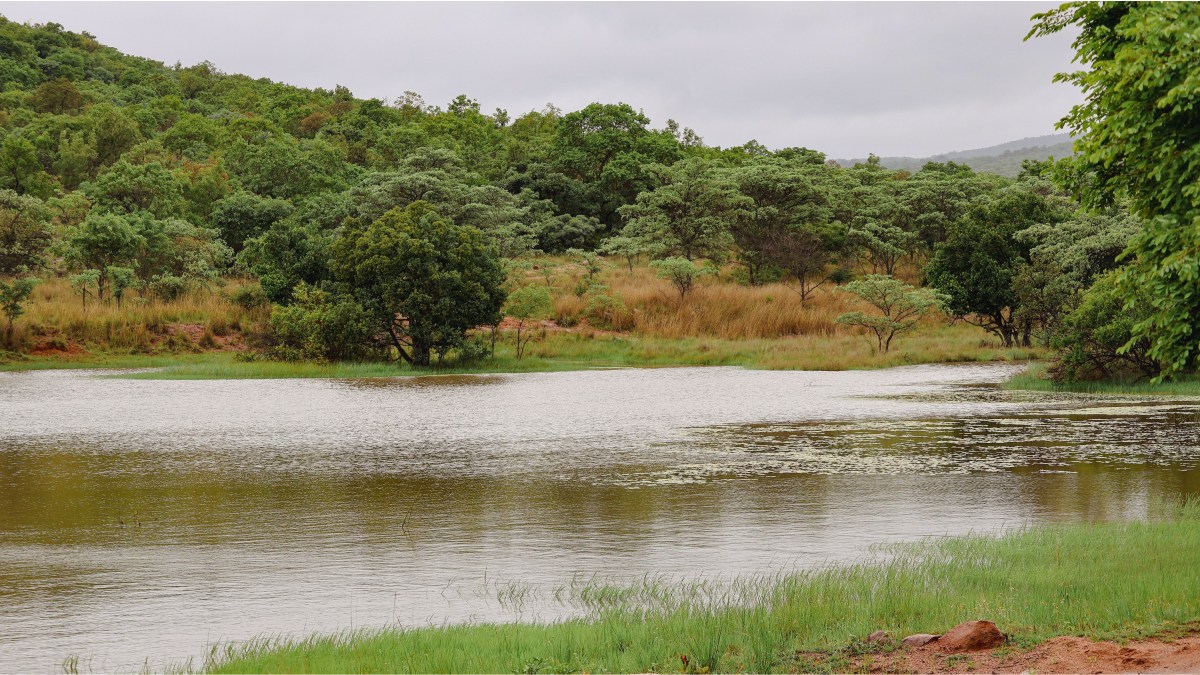
According to the Karnataka State Pollution Control Board (KSPCB) water quality report in April 2026, Bengaluru has 32 lakes that are classified as Class E (critically polluted water) in the report. These lakes are spread throughout the city’s administrative areas, including one in the Central City Corporation, 8 in the North, 7 in the South, 12 in the East and 4 in the West.
As such, the Chief Commissioner told all the city corporations in which those lakes are situated to thoroughly investigate these lakes and identify the source of contamination and immediately do so and then take action to remedy it. A joint inspection mechanism must be put in place between the Bangalore Water Supply and Sewerage Board (BWSSB) and city corporations to coordinate action and accountability.
One of the most immediate concerns that emerged from the meeting was the continued sewage flow into the K-100 stormwater drain. Sources said sewage was entering the drain at 19 different places and that the water quality and environmental risks in the neighborhood are significantly affected. Rao directed BWSSB and municipal officials to conduct further site inspections, trace the source of sewage leakage and take immediate steps to prevent further contamination.
He also told departments to identify and implement the problem areas so solutions work and that they can be implemented successfully on the ground. The focus, officials said, was on short-term containment and long-term infrastructure developments to avoid pollution issues recurring in the future.
Rao also asked officials to conduct a thorough inspection of works already carried out by BWSSB to assess quality and effectiveness. This is a step to confirm that earlier restoration and sewage diversion projects are being carried out and that the actions are producing the intended outcomes. Bengaluru’s lakes, once considered a vital asset for the ecosystem and climate, have been challenged by rapid urbanization, encroachments, and untreated sewage inflow. Environmental experts have long warned that without regular management, the city’s lake system will be permanently impaired as well.
The GBA’s new directive signals a new administrative approach to address the crisis. But these measures will only work if they are enforced and coordination between agencies is ensured as restoration efforts lead to visible improvement in water quality across the city’s lake network.