Two major highways in and around Bengaluru - the Electronic City Flyover and the Bengaluru-Nelamangala Highway - are going to be upgraded with the multi-lane free flow (MLFF) tolling system to let drivers pass through toll points without waiting for FASTag scanning. The proposed system will reduce congestion around toll plazas and speed up the movement of vehicles on some of the busiest roads in the city.
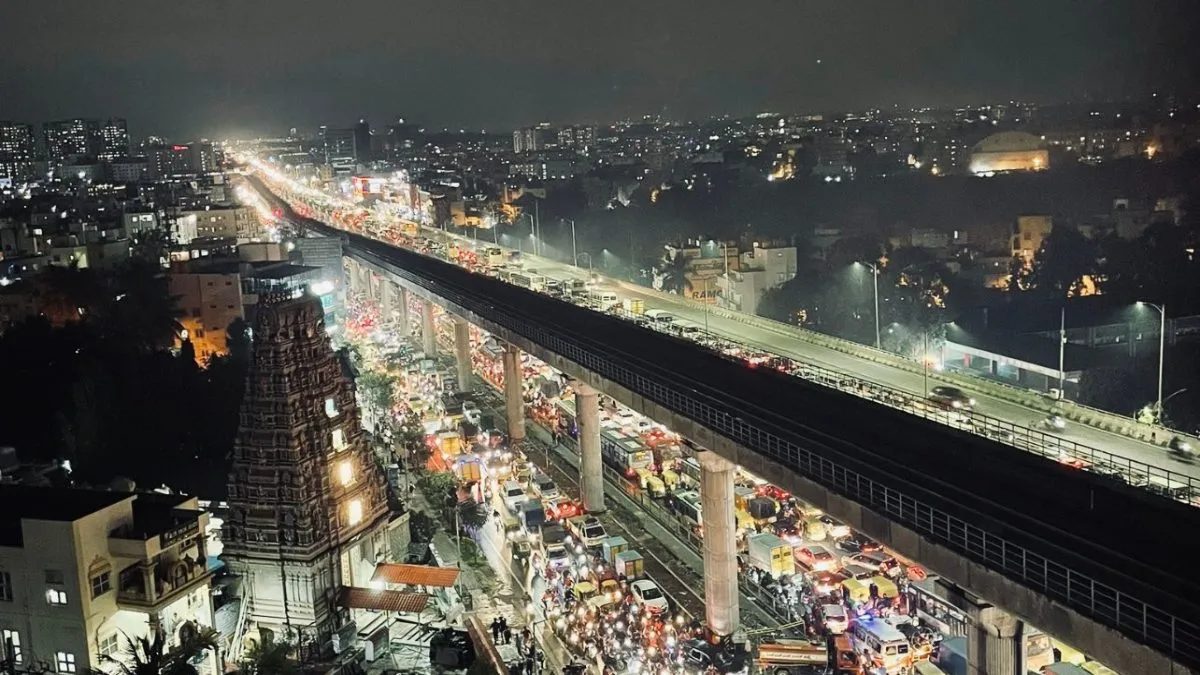
The move is important because over one lakh vehicles, including cars and heavy trucks, travel daily on these two important routes. Vehicles often slow down or stop near toll gates while FASTag transactions are being carried out. In peak hours, the queues can stretch many kilometers, creating traffic congestion. The NHAI is now in the process of introducing MLFF to make toll collection easy.
According to NHAI Regional Officer Vilas P. Brahmankar, a proposal has been submitted to the authority for implementing the new system. The MLFF system is expected to be introduced in the coming days, he said. The initiative would make these stretches among the first national highways in Karnataka to adopt this type of free-flow tolling arrangement.
Under the MLFF system, vehicles will not need to stop at traditional toll booths for FASTag reading. Automatic Number Plate Recognition (ANPR) cameras will be installed at strategic locations along the highway and flyover. The cameras will identify the registration number of moving vehicles and simultaneously read their FASTag details. The toll amount will automatically be deducted from the vehicle’s FASTag based on the distance travelled.
The system will also have a mechanism for vehicles whose FASTag accounts do not have enough balance. A notice will be sent to the vehicle owner if this is the case. The owner will have to pay the applicable toll within 72 hours. If the payment is delayed beyond the stipulated period, double the toll amount could be collected.
On Hosur Road, the proposed system will cover the 10-km Electronic City Flyover and the 14-km Attibele toll stretch. The existing toll booths on these stretches will be removed as part of the transition to the MLFF system. The Bengaluru-Nelamangala Highway (including the flyover section) will also be tolled under the new system. The stretch starts from Goraguntepalya and is another major corridor that witnesses heavy traffic every day.
The MLFF technology is already in use on some national highways in parts of the country, such as Gujarat. The proposed implementation in Bengaluru would therefore be a significant change in the way tolls are collected on these busy urban highway stretches. Instead of vehicles converging on fixed toll lanes, toll transactions would take place electronically while vehicles continue moving.
However, MLFF won’t mean that toll collection will stop on the Electronic City Flyover. The 20-year contract for the construction and maintenance of the flyover with private participation has ended, but that doesn’t mean that toll collection has to stop. According to NHAI officials, toll collection is required for the maintenance of the flyover and the revenue will go to NHAI.
There is also a proposed change in the toll structure on the Electronic City Flyover. Now that the flyover has come under NHAI after the end of the private maintenance agreement, toll rates are expected to be revised in the future. At the same time, toll charges for two-wheelers are proposed to be scrapped.
The highway from Silk Board Junction to the Tamil Nadu border, which is already governed by NHAI Fee Rules, 1997, is also expected to come under NHAI Fee Rules, 2008. This would allow toll charges on the route to be revised.
Both corridors are situated in or close to Bengaluru’s urban borders, so traffic congestion around toll points is a major challenge. The MLFF system is being implemented, NHAI officials said, to reduce stoppages, long lines, and ensure smooth traffic flow. If implemented as proposed, the system could change the tolling experience for motorists travelling between Bengaluru, Electronic City, Attibele, and Nelamangala.