Bengaluru is in the process of major re-engineering of its overall solid waste management system, and the Greater Bengaluru Authority (GBA) intends to put the solid waste management system on track to adopt a new framework to improve waste collection, transportation, processing, and monitoring through an expanded approach in the city.
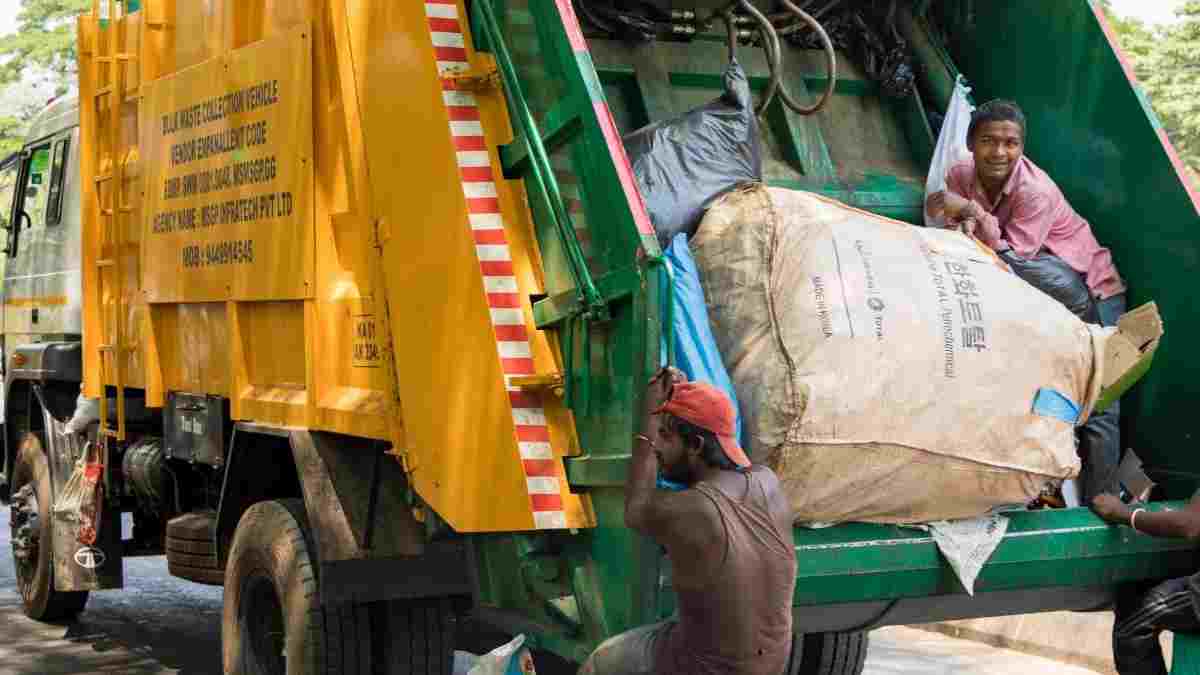
The plan calls for technology-driven garbage collection, more waste processing capacity, and better monitoring of cars and sanitation processes. GPS-based tracking, one of the key components of the plan, should help authorities track garbage vehicles and ensure accountability in the collection process.
Bengaluru Garbage Management To Get Technology Upgrade
Garbage collection in Bengaluru has long involved a huge network of waste-collection vehicles, sanitation workers, and processing facilities. Managing this system in the city’s growing urban area has been a major administrative headache.
GPS technology will be in place to provide real-time information on the movement of waste-collection vehicles under the proposed system. Such tracking would help officials tell whether vehicles are following assigned routes or if they are being operated on schedules.
The technology-based monitoring system is also expected to generate data that can be used to identify gaps in garbage collection and transportation.
9,000-Tonne Waste Handling Capacity
Part of the planned revamp of the garbage system is a plan to generate up to 9,000 tonnes of waste per day.
The size of the proposed capacity reflects the amount of municipal solid waste generated by Bengaluru. With the city’s population, residential areas, commercial establishments and business districts growing quickly, waste-management infrastructure needs to keep pace with the ever-increasing amount of garbage.
A bigger processing capacity would alleviate the pressure on existing facilities and help authorities to deal with waste closer to its point of generation.
The proposed system is also expected to be more scientific, process-based, and to be more concerned with scientific processing and disposal rather than to simply dumping mixed waste in dumps.
Focus on Waste Segregation
Source segregation will still be a necessity for the revamped system. Separating wet waste, dry waste, and other categories at the time of generation can make recycling and processing more efficient.
Households, apartments, commercial establishments and other bulk waste generators might therefore have an important role in the new waste-management framework.
In addition, better segregation also reduces the amount of waste that would end up in landfill disposal as well as the recovery of recyclable materials.
GPS monitoring could improve accountability
The proposed GPS could provide GBA officials with a digital monitoring mechanism for the city's garbage vehicles.
Instead of being forced to rely completely on manual reporting, officials could track vehicle routes and operational movements through a centralised system. This might help us to find missing collection routes, unusual stoppages, or deviations from designated schedules.
For residents, better monitoring would result in predictable garbage collection and quicker identification of service gaps.
However, the effectiveness of GPS tracking will ultimately depend on how the system is implemented, monitored, and linked to field-level action.
Bengaluru’s larger Waste Management Challenge
Bengaluru’s waste-management problem extends beyond collection vehicles. The city also requires processing plants, transfer stations, transportation infrastructure and systems for handling different types of waste.
The proposed GBA plan therefore represents a more general effort to reorganize the city’s garbage management system rather than working from door-to-door.
The efficiency of the revamp will depend on coordination of authorities, contractors, sanitation workers, residents and waste-processing agencies.
For Bengaluru residents, the key expectation will be a cleaner and more reliable garbage collection system. If the technology and infrastructure upgrades that are proposed are carried out well, the GPS monitoring will be better designed and it could be possible for the government to have better visibility into the waste management process around the city in the day-to-day.
As the GBA moves forward with the proposed framework, further details on implementation, vehicle monitoring, processing infrastructure and operational responsibilities will determine how the city's garbage-management system changes on the ground.