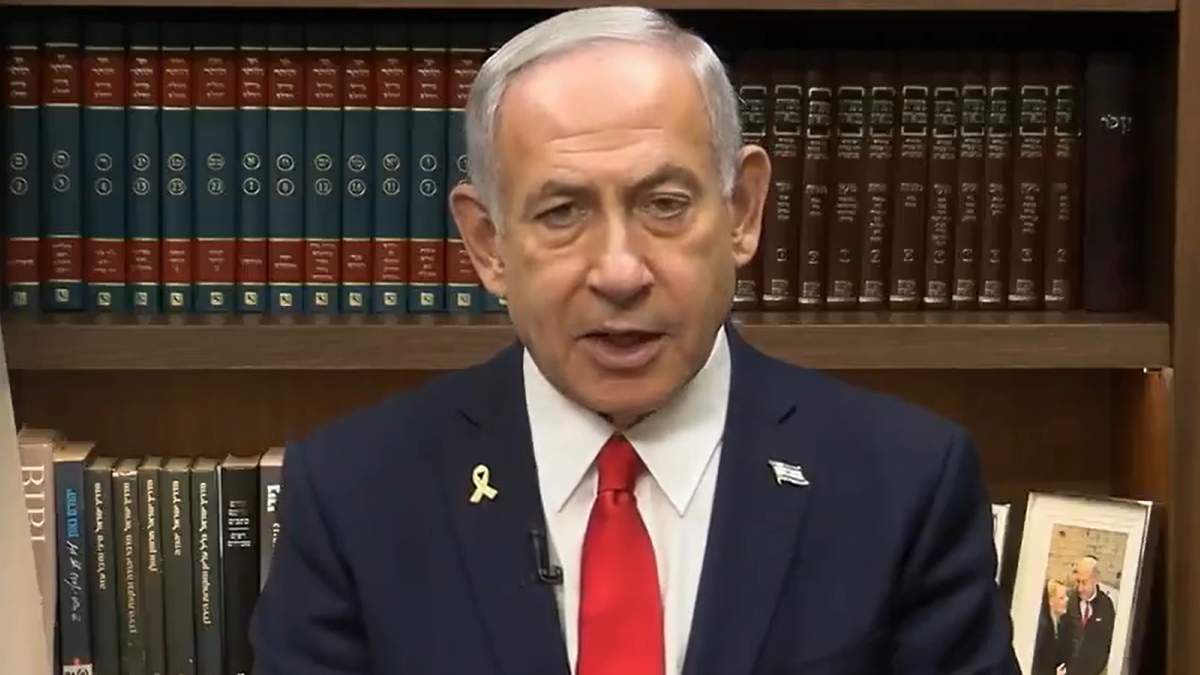
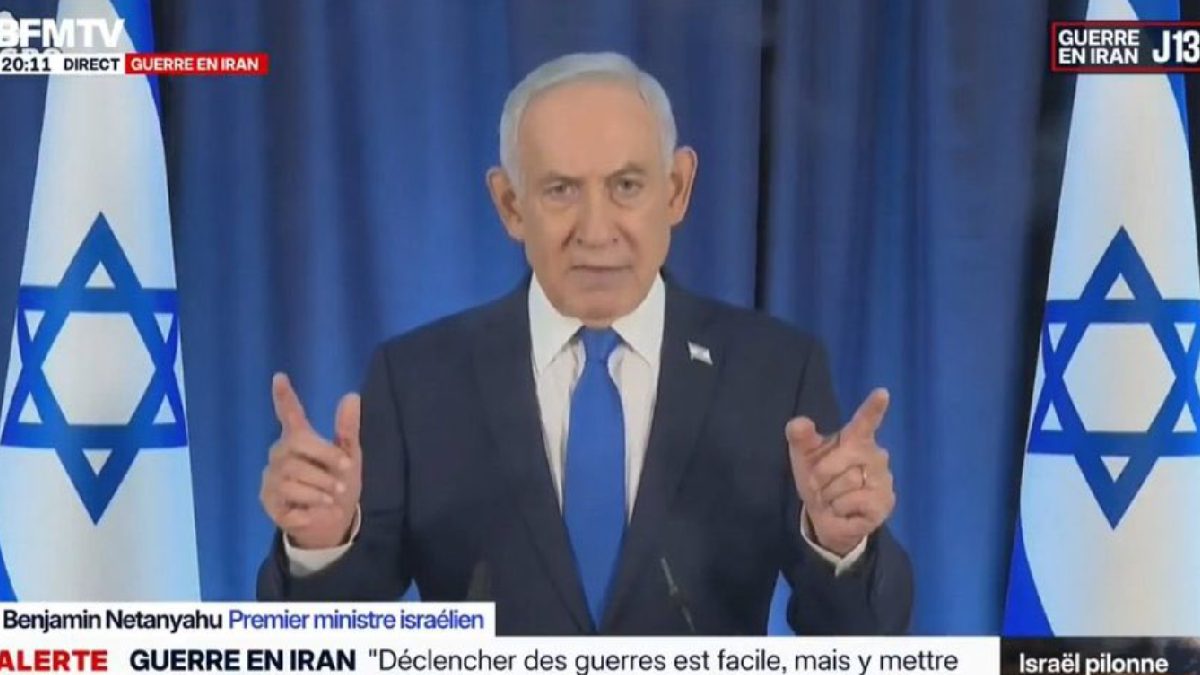
A political dispute between Israeli Prime Minister Benjamin Netanyahu and New York City Mayor Zohran Mamdani heated up this week after Netanyahu accused Mamdani of creating an environment where Jewish New Yorkers feel unsafe.
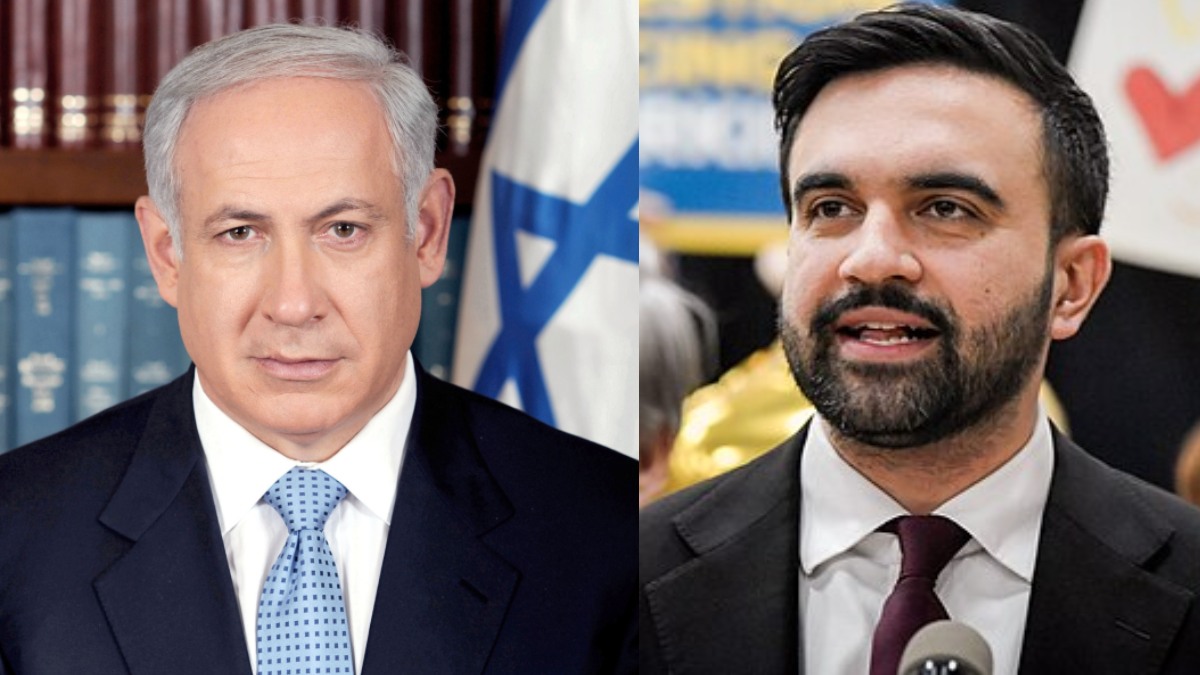
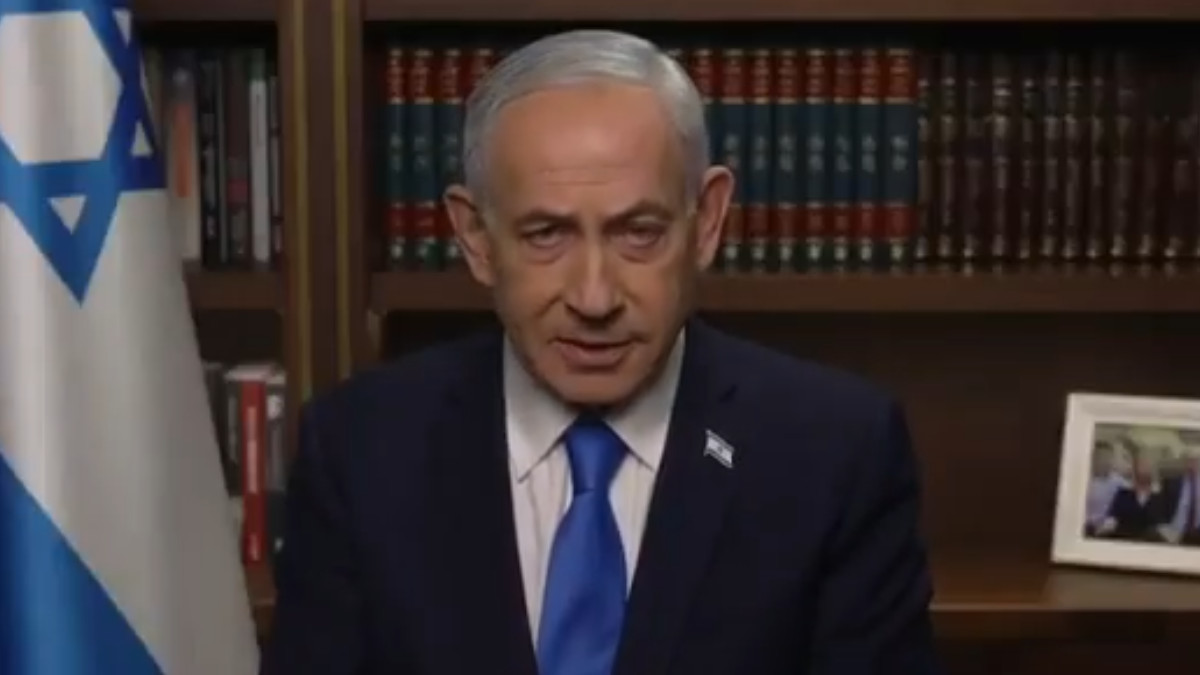
Netanyahu made the remarks during his speech before the United Nations General Assembly in New York, where he directly criticized the mayor over his opposition to Israeli government policy and his previous comments about Netanyahu.
During his UN speech on September 24, Netanyahu directly addressed Mamdani and said that “many Jews no longer feel safe in New York.” Netanyahu said that was due to the mayor’s rhetoric and positions towards Israel. He also accused Mamdani of supporting people and groups related to Hamas and criticized his portrayal of Israel’s military operations in Gaza.
The comments came during the midst of increasing political tension in New York around Netanyahu’s visit to the UN General Assembly. Protests against Netanyahu and Israeli government policy have been held in the city, and Jewish community groups have voiced fears about antisemitism and public safety. New York has reported a lot of protests as well as counter-protests during the period of the Israeli prime minister’s visit.
Mamdani has consistently criticized Netanyahu and Israel’s conduct in Gaza. In July, Mamdani called Netanyahu a “war criminal” and said he believed the United States should enforce an International Criminal Court arrest warrant against the Israeli prime minister. Mamdani also acknowledged that New York City itself did not have independent legal authority to enforce the warrant.
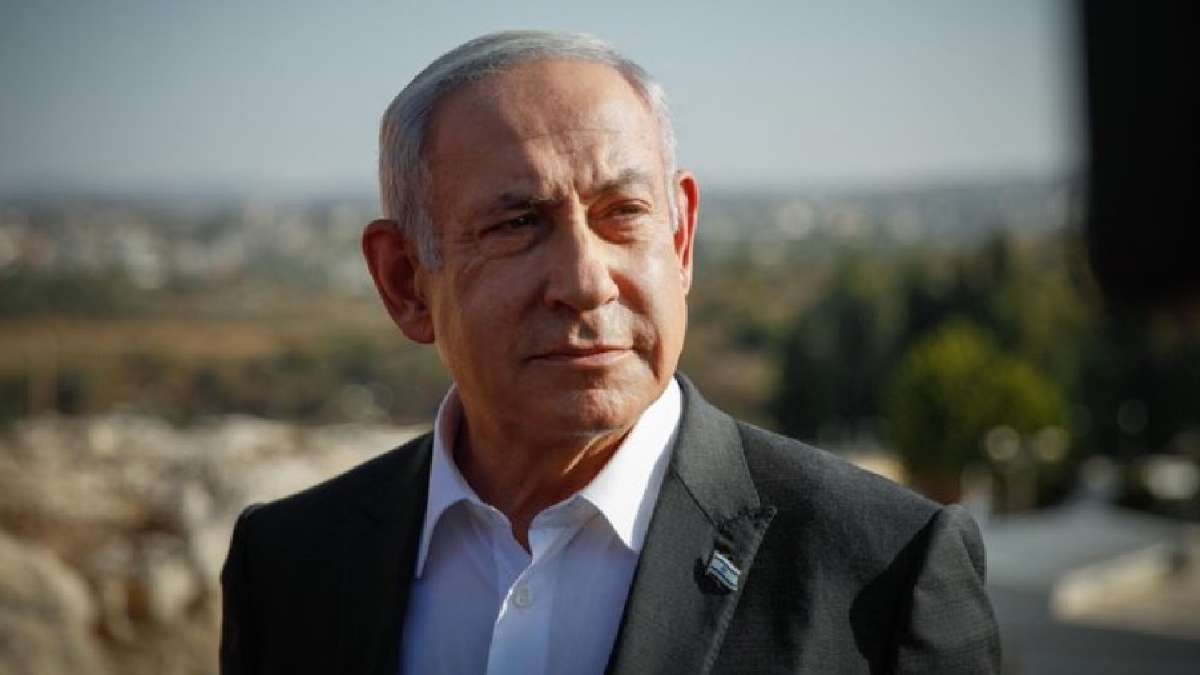
Mamdani has always maintained that his criticism is directed at Netanyahu and the Israeli government and not Jewish people. He has also said that protecting the safety of New York’s Jewish community is still a priority. The debate has thus largely been framed as an issue of the distinction between criticism of the Israeli government and antisemitism or hostility toward Jewish New Yorkers.
The controversy has also led to different reactions among Jewish New Yorkers. Some Jewish residents and community organizations are concerned about antisemitism and rhetoric around the Israel-Gaza conflict. Other Jewish New Yorkers have publicly protested against Netanyahu and Israeli government practices and have exhibited differences of opinion among Jewish New Yorkers. A July report from Religion News Service documented differing perspectives among Jewish New Yorkers on safety, antisemitism, and Mamdani’s approach to Israel.
Against that backdrop, Netanyahu’s statement that Jewish residents don’t feel safe has become another point of contention in the wider political fight. Individual experiences of safety can be different, and the fact that people can be peaceful in protest does not in itself lead to a firm safety guarantee for an entire community. Similarly, Netanyahu’s statement is an assessment, and the accounts he said he had heard from Jewish residents, not a generalization of all Jewish New Yorkers’ opinions.
The dispute is emblematic of a larger debate in New York over Israel, Gaza, antisemitism, Palestinian rights, and the boundaries of political criticism. Mamdani has been criticized by pro-Israel groups for his positions, while supporters of his position insist that criticism of Israeli government policies shouldn’t be regarded as hostility to Jewish people. Netanyahu and his supporters have argued that there could be antisemitism and threats to Jewish communities in some cases too, because some rhetoric about Israel can feed antisemitism.
The dispute is likely to remain politically important as New York continues to deal with competing demonstrations and concerns about community safety. For residents, the central issues are protection from antisemitism and other forms of hate, the right to peaceful political expression, and how public officials respond to a deeply divisive international conflict.
Netanyahu’s UN comments and Mamdani’s response have thus become part of a larger debate about how New York should handle the political consequences of the Israel-Gaza conflict and respond to the demands of its various communities. As demonstrations continue and debate is still taking place in the streets, political leaders will continue to be questioned by residents, advocacy groups, and the wider world after the UN General Assembly.