The metro infrastructure in Bengaluru is growing, as is the recent news so encouraging for commuters. Namma Metro's Pink Line has finally reached the test location between Kalena Agrahara and Tavarekere. The test phase of the metro is an indication that rail lines may be ready for passengers more rapidly than before and in cleaner travel in an area in which they are needed most.
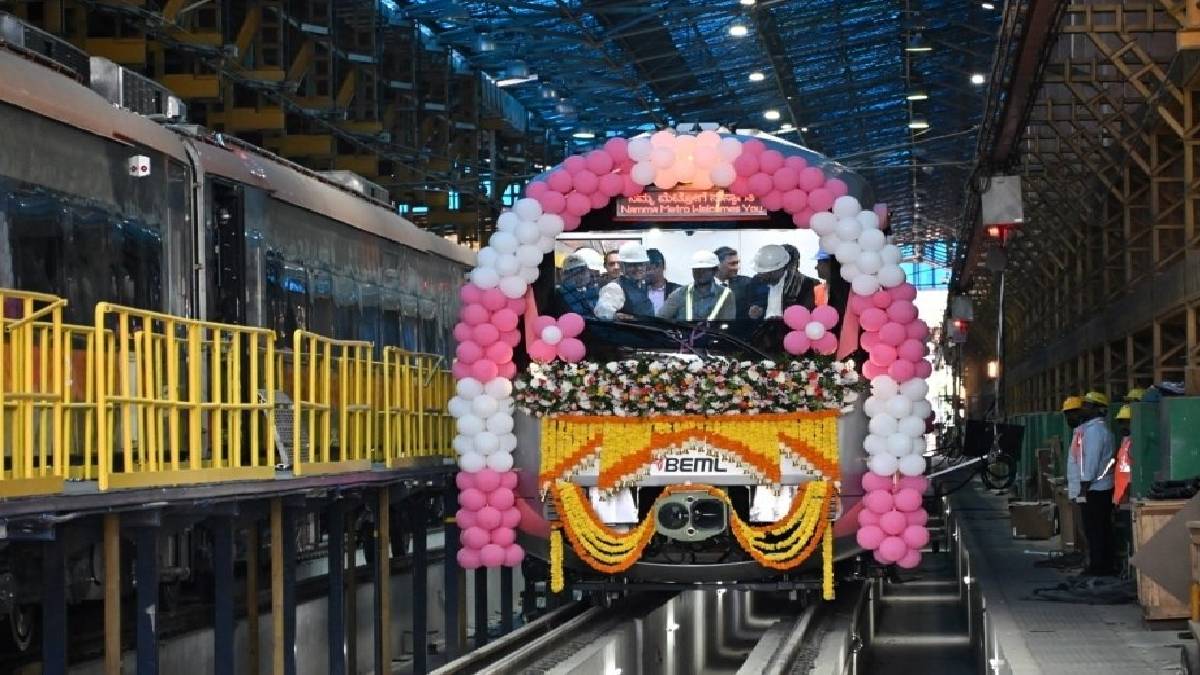
Third rail testing started on Thursday at Bangalore Metro Rail Corporation Limited (BMRCL) in this area, when it officially started Phase two of metro construction. The Pink Line will finally connect the southernmost Kalena Agrahara in the south with the north end to Nagawara through Bengaluru. It is expected to be a long and busy route that links the very busy streets of Bengaluru. Thousands of daily users of this line will be able to move easily and get to and from their daily journeys more easily.
Bengaluru Metro's Pink Line train testing has begun between Kalena Agrahara and Tavarekere @OfficialBMRCL https://t.co/1HkUtCXbU0 pic.twitter.com/4Vlq1T513D
— ChristinMathewPhilip (@ChristinMP_) January 10, 2026
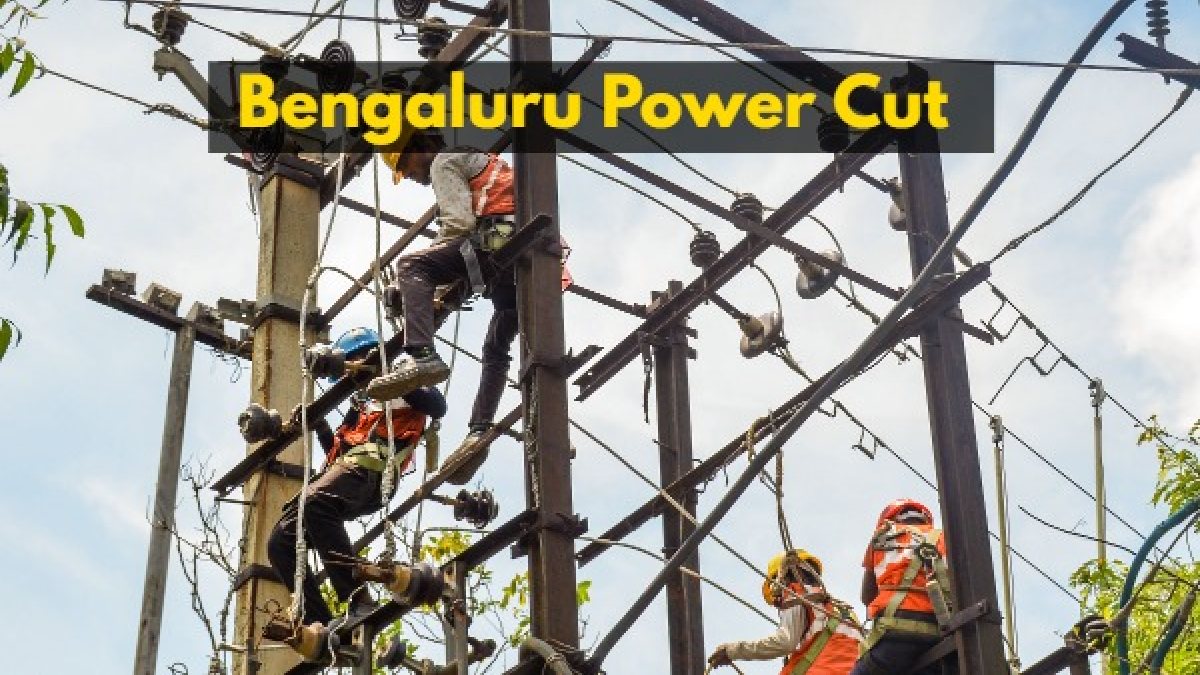
Third rail Testing A technical process of running metro trains is a testing in which a rail is the rail located at standard track level and that train speeds are installed at the point of charging stations or train locations. This rail is powered by electricity and allows the train to move. Engineers need to maintain this device to make sure the system safely and smoothly trains passengers to take the metro. The current testing is being conducted on a 7.5 km length built above ground between Jayadeva and Tavarekere stations. Elevated tracks build above the ground level, cutting down on traffic and speeding construction times.

The Pink Line matters for many reasons. Firstly, it will connect southern and northern parts of Bengaluru so far away from the city centres which makes travel for the people more convenient for them. Secondly, it will also cut down on traffic on the streets, because more people will opt for the metro instead of cars and buses. Thirdly, Metro trains make the most of fast train traffic so that people, who are either employees or students, can get to work. Last but not least are our green metro systems which, whilst they use electricity, spew less poison than its conventional vehicles.
BMRCL will proceed with subsequent trials after third rail testing. These range down to checking the signals signaling train movement, communication system testing and running trains to match the mass-weight of the actual passengers. These are steps that need to be done to enable metro lines open to the masses. Then the total Pink Line may be fully operational by 2026 and offer Bengaluru a new and hassle-free travel method.
Getting testing underway is more than a technical update, it is progress. Bengaluru expands fast and the transport system needs to rise along with it. The Pink Line suggests that the city is investing in smart, contemporary solutions to make everyday life easy for people. At least for the moment, the image of a sleek metro train running on the upper track between Kalena Agrahara and Tavarekere is one of hope. It tells us that brighter days seem in store for Bengaluru’s commuters.
This development is also an indication of the city’s commitment to future-ready transport. With each new metro line, Bengaluru gets closer to the goal of becoming a city ready for people using public transport where reliable, safe, accessible public transport is the norm. The Pink Line is not just about trains, after all, it's also about adding some everyday lives and lifting those burdens of stress.