Thousands of commuters from Bengaluru, especially IT professionals and office-goers, will have to pay more on their daily travel now that toll rates on NICE Road and the Electronics City Flyover have come into effect from July 1. The annual revision also applies to parts of the Attibele highway, increasing commuting costs for motorists using these major corridors.
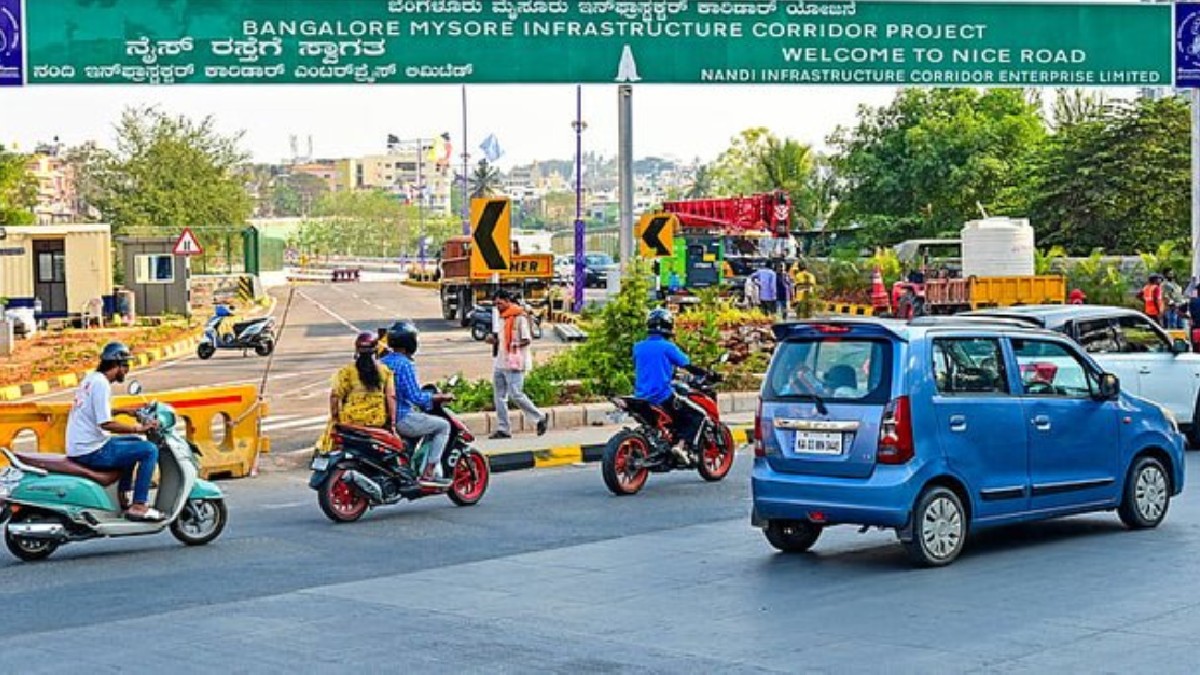
The increase comes at a time when Bengaluru residents are already grappling with rising fuel prices, traffic congestion, and higher transportation expenses. For regular users of these toll roads, the most recent revision is expected to have a noticeable impact on monthly commuting budgets.
Annual Toll Revision
According to the new schedule, toll charges have been increased for cars, commercial vehicles, buses, trucks, and multi-axle vehicles. The adjustments are made periodically according to concession agreements and applicable price formulas based on economic indices.
The new rates will apply to all vehicles using the toll facilities on July 1.
Who will be most impacted by it?
The toll hike is expected to affect:
- Daily commuters traveling between South and West Bengaluru.
- IT professionals who work in Electronics City.
- Commercial transport operators.
- Logistics and delivery companies.
- Intercity travelers using NICE Road as a bypass.
Many commuters depend on the Electronics City Flyover and NICE Road to avoid heavy traffic on Bengaluru’s busy arterial roads, and these roads are part and parcel of their daily commute.
Impact on daily commuting costs
Even modest increases in toll fees can add up over time for motorists who use these roads every day. And employees who travel 5 or 6 days a week may see their monthly travel expenses rise, particularly when combined with fuel and vehicle maintenance costs.
Transport operators say higher toll charges may indirectly increase logistics costs, which will eventually affect the prices of goods and services.
Why are toll rates being revised?
Operators revise toll charges as per concession agreements for the roads. Such revisions will usually take inflation into account, maintenance costs, operating costs, and the Wholesale Price Index (WPI).
These changes are necessary for road maintenance, operational efficiency, and infrastructure maintenance, they say.
Commuters Voice Concerns
The new hike has disappointed many Bengaluru residents who say the city is already one of the most expensive places in India for daily commuting.
Regular users have expressed concerns over:
- Rising monthly travel expenses.
- Increasing fuel costs.
- Heavy traffic despite paying tolls.
- The financial burden on daily office commuters.
Commuters also want better road maintenance and traffic management, along with any increase in user fees.
Alternative Routes
Drivers who would rather avoid toll charges could take some alternative city roads, but they too can be more crowded and take longer travel times, especially during peak hours.
For most commuters, NICE Road and the Electronics City Flyover are still the best alternatives because they provide faster connections between major parts of Bengaluru.
Infrastructure and Urban Mobility
The toll revision comes as Bengaluru is investing in expanding its transport infrastructure through Metro rail extensions, elevated corridors, suburban rail projects, as well as new road developments to alleviate congestion.
Though tolled expressways increase travel efficiency, the problem of the funding of infrastructure and commuter affordability remains a challenge for urban planners.
Conclusion
The new toll rates on NICE Road and Electronics City Flyover will also increase the bill for the commuting public in Bengaluru. But although operators insist that the change is part of the annual toll adjustment mechanism, as we approach a new year, how we understand it is the cumulative effect of higher transportation costs on our lives. With Bengaluru increasing in population, affordable and efficient transportation is still one of the city’s top priorities.