Thousands of commuters using Bengaluru's Nandi Infrastructure Corridor Enterprises (NICE) Road will have to spend more on their daily commute, as toll charges on the expressway have been increased by 10 percent. IT professionals, office-goers, commercial vehicle operators, and other frequent users of the corridor will be affected more now that the city's congested roads have been made more expensive to drive through.
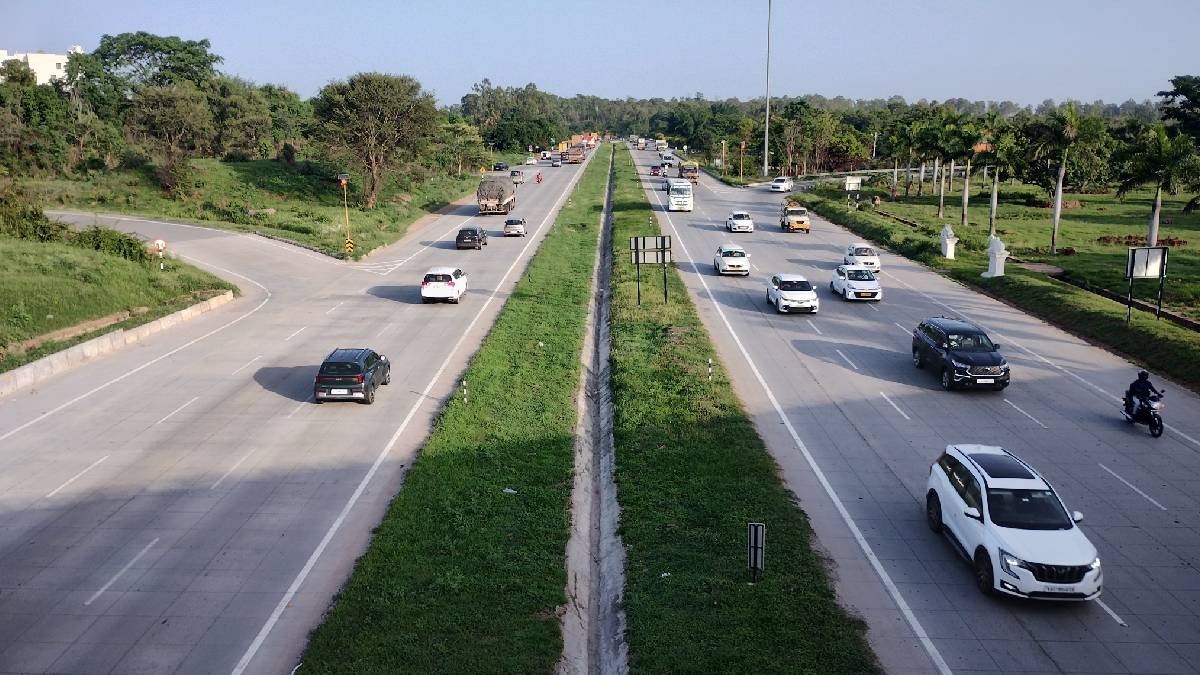
The toll increase will increase monthly transportation costs for frequent commuters, especially those who commute between Bengaluru’s residential suburbs and IT hubs.
A Route for Bengaluru's Commuters
The NICE Road is one of Bengaluru’s most important access-controlled roads connecting major highways and helping motorists bypass congested city roads. It connects Tumakuru Road, Mysuru Road, Kanakapura Road, Bannerghatta Road, Hosur Road, and Electronic City, and is one of the top routes that daily commuters and logistics people use.
Thousands of cars drive the expressway every day to minimize travel time and fuel consumption, especially during peak traffic hours.
Ten percent rise in Toll Charges
Toll fees are being increased by around 10 percent in various categories of vehicles. The toll charges will apply to cars, jeeps, vans, buses, trucks, multi-axle commercial vehicles, and multi-axle vehicles.
The exact amount to be paid depends on such factors as:
- Vehicle category.
- Distance traveled.
- Entry and exit toll plazas.
- Type of commercial vehicle.
Most frequent users should check the tariff on toll plazas or through the operator's official channels to plan their trip before traveling.
Impact on IT Employees
The toll hike is likely to be felt most by Bengaluru's large IT workforce.
Many professionals working in Electronic City, Bannerghatta Road, and other technology corridors rely on NICE Road to avoid traffic congestion on city streets.
People driving on the road for five to six days a week may find that even a modest increase in toll charges can significantly raise monthly transportation costs.
Corporate employees who travel by personal vehicles or company transport services might have a higher commuting cost.
Commercial Transport Also Affected
The changes in toll rates will also affect commercial vehicle operators.
Logistics companies, goods carriers, private bus operators, and transport businesses that use NICE Road regularly might face higher operational costs as a result of the increase.
Higher transportation costs can eventually have a role in the cost of goods and services, industry experts say, but the overall impact is based on a multitude of economic factors.
Reason Behind the Revision
Toll revision is commonly done on highways and expressways and is usually done in line with concession agreements, inflation adjustments, maintenance costs, and operational costs.
The road operators have several reasons for modifying toll charges, such as:
- Routine maintenance of road infrastructure.
- Repair and resurfacing work.
- Safety improvements.
- Operational and staffing expenses.
- Inflation-driven revisions. Infrastructure upgrades.
In order to maintain high-quality road infrastructure, toll collections are what enable this.
NICE Road benefits
Despite the higher toll charges, many motorists continue to prefer NICE Road because it offers several advantages:
- Faster travel compared to city roads.
- Less traffic congestion. Better road quality.
- Lower travel time. Better fuel efficiency.
- Enhanced driving comfort.
For many commuters, the time saved during peak traffic often outweighs the additional toll cost.
Advice for Frequent Commuters
Motorists on NICE Road may consider:
- Using FASTag for quicker toll payments.
- Planning travel during off-peak hours if possible.
- Planning monthly travel budgets to take into account the new charges.
- Checking what other routes are practical for particular trips.
Fleet operators might also re-examine their route planning to reduce fuel and toll costs.
Future Outlook
As Bengaluru is growing and more cars are owned, roads like the NICE corridor will continue to be critical to the city’s transportation network. Road infrastructure, metro expansion, suburban rail, and integrated public transport will be needed for the future, experts say.
At the same time, periodic toll revisions are likely to remain part of infrastructure financing models, making cost planning increasingly important for regular commuters.
Conclusion
The 10% increase in NICE Road toll charges is one more adjustment that is going to have a direct impact on thousands of Bengaluru commuters, particularly IT professionals and daily travelers who rely on the expressway for faster and more convenient travel.
Though the toll charges will increase commuting costs, the corridor is still very beneficial for reduced travel time and improved connectivity. The new tariffs should be made known to commuters to plan their travel.