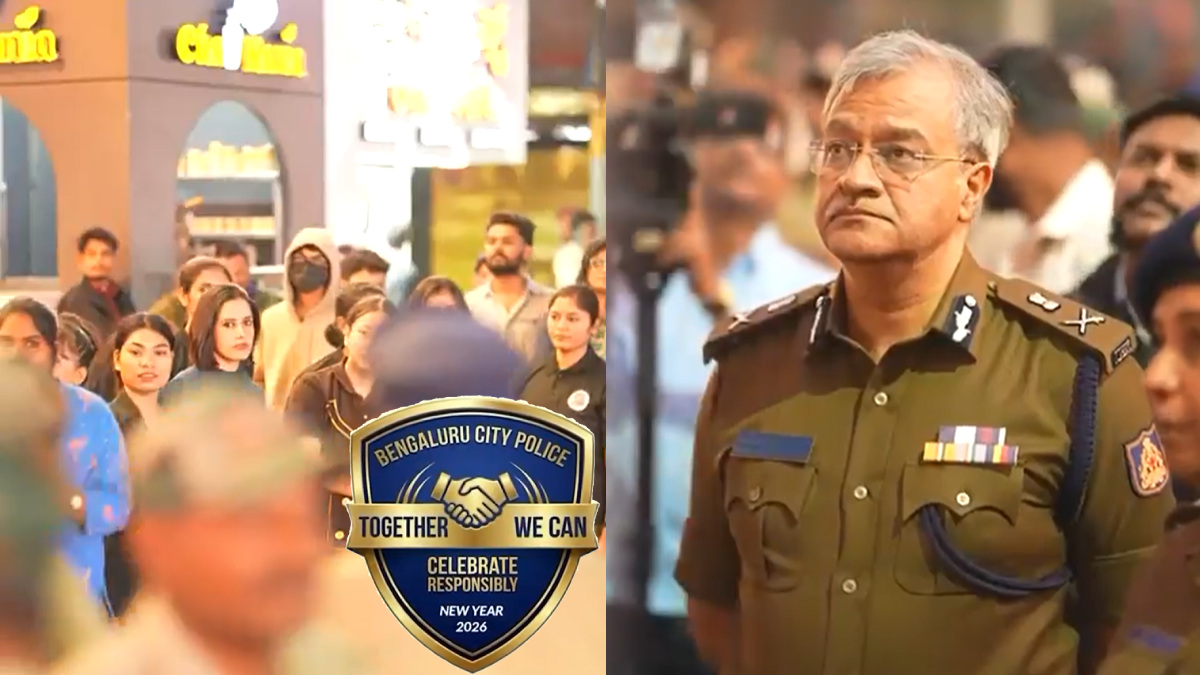
Bengaluru City Police are preparing for the New Year 2026 celebrations with a first‑of‑its‑kind initiative in India using heat map technology to monitor crowd density and manage public safety. This innovative approach is expected to transform how authorities handle large gatherings in urban spaces, especially during high‑profile events where lakhs of people converge on popular streets and party hubs. By combining advanced digital monitoring with massive manpower deployment, the police aim to ensure that celebrations remain safe, orderly, and enjoyable for all.
What are heat maps for the Mob & Traffic Solution?
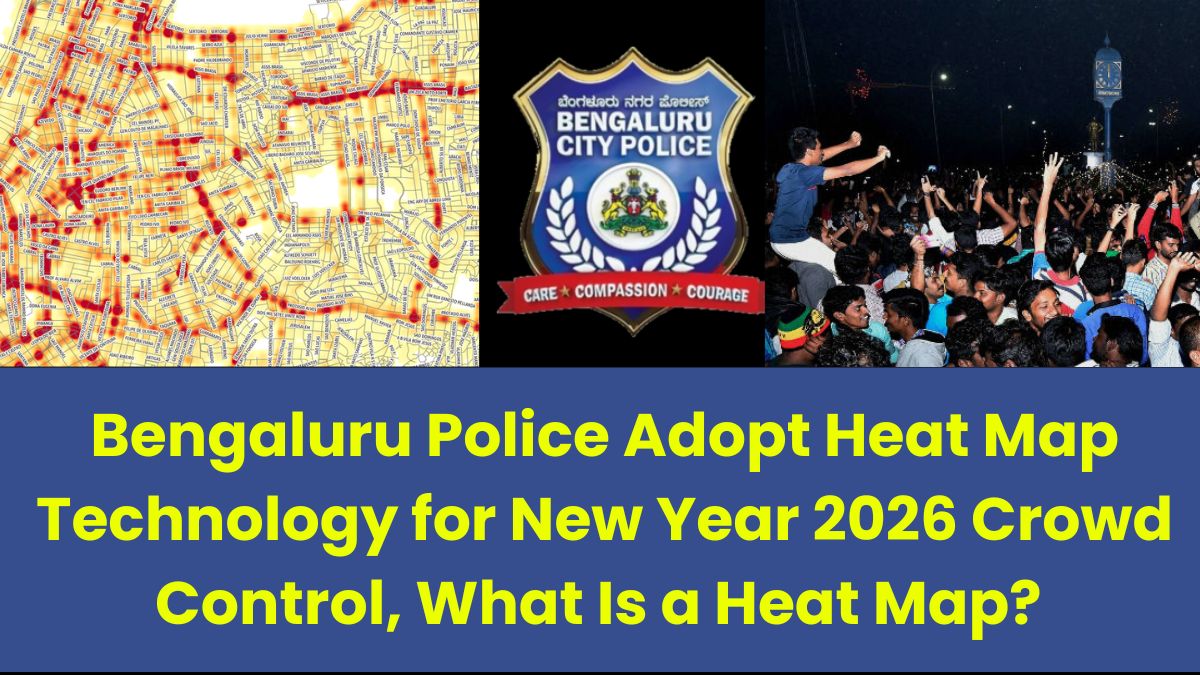
Heat maps are essentially visual tools that represent data in color codes, making it easier to identify areas of concern at a glance. In the context of traffic and crowd management, Bengaluru Police will use heat maps to track where people are gathering in large numbers. Yellow zones will indicate places with heavy crowd density, while green zones will show areas with fewer people. This real‑time information will be monitored from the Command Center, allowing senior officers to make immediate decisions on deploying personnel, redirecting traffic, or dispersing gatherings if needed. The technology is expected to give police a bird’s‑eye view of the city’s busiest spots, reducing the risk of stampedes, accidents, or law‑and‑order issues.
The adoption of heat map technology marks a significant step in smart policing. Bengaluru, often referred to as India’s Silicon Valley, has long been at the forefront of digital innovation, and this initiative reflects the city’s ability to integrate technology into public safety. By using heat maps, police can anticipate crowd surges before they become unmanageable. For instance, if a particular street shows up in yellow, indicating high density, officers can immediately divert additional personnel, set up barricades, or regulate traffic flow. This proactive approach is expected to minimize chaos and ensure smoother celebrations.
To complement this technological innovation, Bengaluru Police have announced an unprecedented deployment of 20,000 personnel across the city. This includes 14,000 police officers, 2,500 traffic police, 88 Karnataka State Reserve Police (KSRP) platoons, 21 City Armed Reserve (CAR) units, 266 Hoysala patrol vehicles, 250 Cobra vehicles, and 400 traffic wardens. In addition, Civil Defence volunteers and Home Guards will also be part of the deployment. Such a massive presence is aimed at reassuring citizens, deterring mischief, and responding quickly to emergencies.
The police have also prepared special measures to control crowd surges. Water jets will be kept ready to disperse unruly gatherings if necessary. This is a precautionary step to prevent situations where large groups may become difficult to manage. The combination of manpower, vehicles, and technology ensures that Bengaluru Police are equipped to handle any eventuality during the New Year festivities.
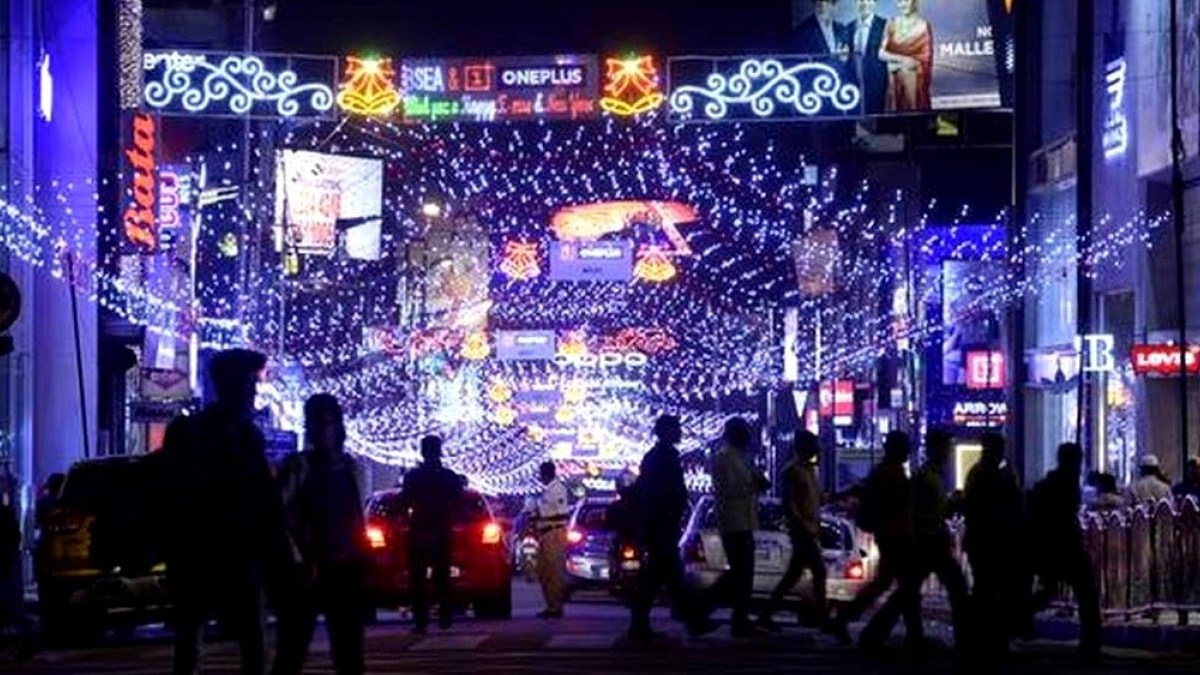
Senior officials have emphasized that the heat map system will not only help in crowd management but also in traffic regulation. Bengaluru is known for its traffic congestion, and New Year’s Eve typically sees thousands of vehicles heading towards hotspots like MG Road, Brigade Road, and Koramangala. By monitoring crowd density and traffic flow simultaneously, police can make real-time adjustments, such as rerouting vehicles, opening alternative routes, or restricting entry to overcrowded areas. This dual benefit of the heat map system makes it a powerful tool for urban management.
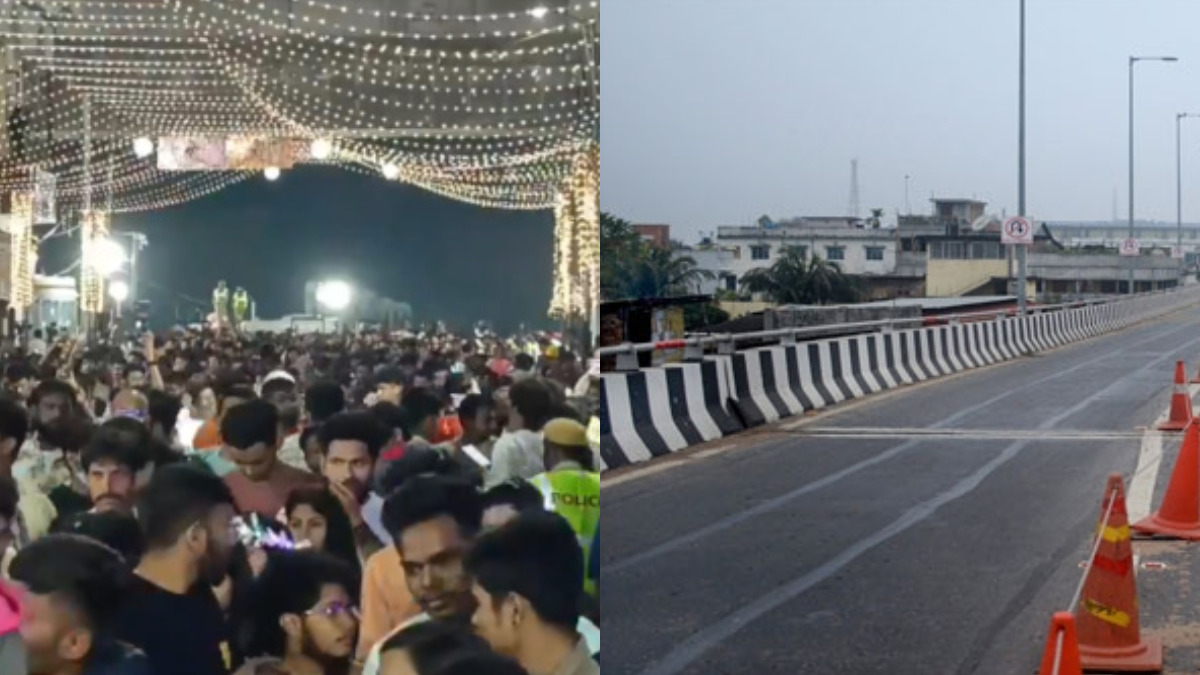
Public safety remains the top priority. In recent years, large gatherings in metropolitan cities have sometimes led to unfortunate incidents, ranging from stampedes to accidents caused by overcrowding. Bengaluru Police are determined to avoid such risks by adopting a proactive, technology‑driven approach. The heat map system allows them to act before a situation escalates, rather than reacting after problems occur. This shift from reactive to preventive policing is expected to set a benchmark for other cities in India.
The initiative also highlights the importance of collaboration between technology and human resources. While the heat map provides data and alerts, it is the police personnel on the ground who will act on this information. The deployment of 20,000 officers ensures that there is adequate manpower to respond to any situation flagged by the system. This synergy between digital monitoring and physical presence is what makes the initiative robust and reliable.
Citizens have welcomed the move, expressing confidence that the combination of technology and manpower will make New Year celebrations safer. Social media discussions have praised Bengaluru Police for embracing innovation and setting an example for other cities. Many have pointed out that such measures are necessary in a city as large and dynamic as Bengaluru, where public events often attract massive crowds.
In conclusion, Bengaluru City Police’s adoption of heat map technology for New Year 2026 crowd management is a landmark initiative. By using color‑coded maps to identify crowd density, monitoring from a central command center, and deploying 20,000 personnel across the city, the police are ensuring that celebrations remain safe and enjoyable. The integration of technology with traditional policing methods reflects Bengaluru’s spirit of innovation and its commitment to public safety. As the city gears up to welcome the New Year, this initiative stands as a model for smart, proactive, and citizen‑friendly policing.