Bengaluru is expected to be at the centre of an important development in India's indigenous aerospace programme, with Tejas fighter aircraft and HTT-40 basic trainer aircraft being handed over to the Indian Air Force.
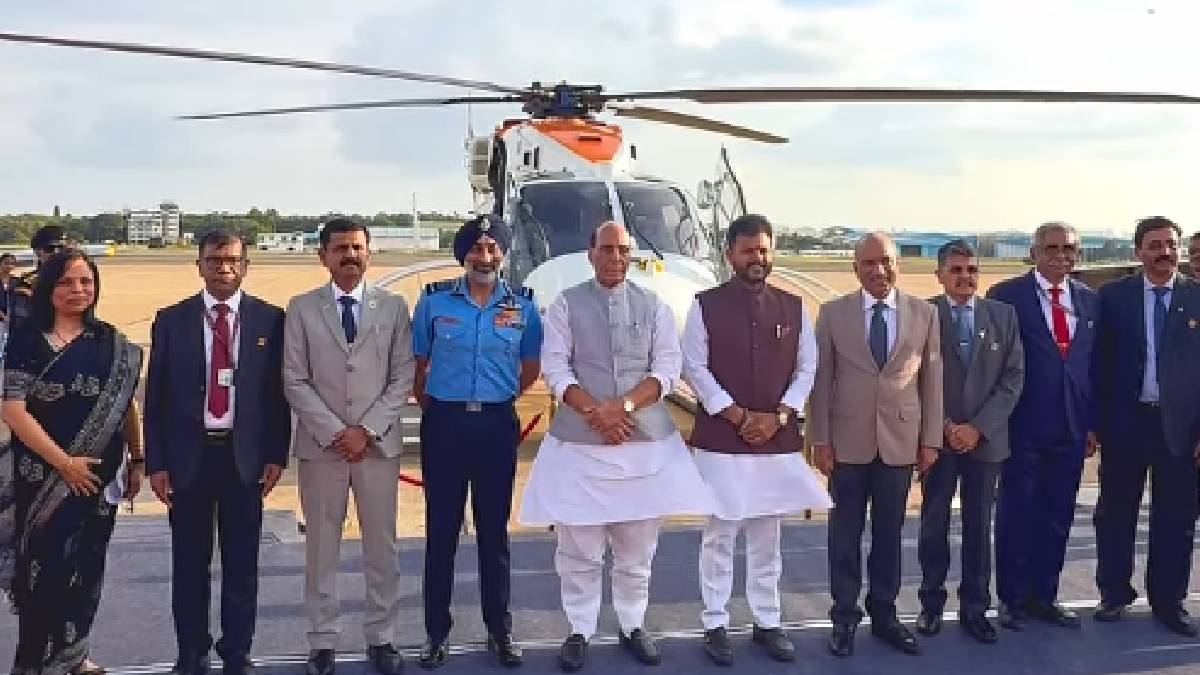
The development highlights the role played by India's aerospace industry in developing, manufacturing and providing aircraft for the defence forces in India. Bengaluru is an aerospace and defence hub with much of the development and production of some indigenous aircraft platforms.
Tejas: India's Indigenous Fighter Aircraft
The Tejas is an indigenously developed light fighter aircraft of India. The Aeronautical Development Agency developed the aircraft, and HAL manufactured it; it is a part of the Indian Air Force's plans to modernise its fighter fleet based on its own indigenous capabilities.
The single-engine, lightweight aircraft has been developed for various roles in air defence, ground attack and other missions.
The induction of more Tejas aircraft is part of India's larger effort to use locally produced defence equipment and reduce reliance on foreign platforms.
HTT-40 enhances Indigenous Training Capability
The HTT-40 basic trainer aircraft is another important indigenous aviation programme alongside Tejas.
HTT-40 has been developed by HAL as a basic trainer aircraft for the training of pilots of the Indian armed forces. Training aircraft greatly contribute to the development of military pilots and will bring them more experience before moving on to higher levels.
The aircraft is designed to support the first stages of pilot training and is intended to provide an indigenous alternative for basic flight training requirements.
Bengaluru’s role in India’s Aerospace Sector
Bengaluru has long been associated with India's aerospace and defence ecosystem. The city is home to most of the large companies and institutions in the field of aircraft design, development, manufacturing, research and testing.
HAL has its headquarters in Bengaluru while some other aerospace companies, research organisations and defence establishments operate in and around the city.
The handover of indigenous aircraft from Bengaluru therefore speaks to the city's continuing role in India's aviation and defence manufacturing sector.
Boost to Domestic Defence Manufacturing
The use of domestic aircraft to build defence capabilities is part of India’s overall drive towards self-reliance in defence manufacturing. Indigenous production will help build local knowledge and supply chains and will create opportunities for Indian companies in aerospace manufacturing and components as well.
The development of aircraft such as Tejas and HTT-40 also involves a large network of engineers, technicians, suppliers and research institutions.
As production expands, the programmes are expected to contribute to the development of India’s domestic aerospace manufacturing ecosystem.
Tejas and HTT-40 serve different purposes
Although both aircraft are indigenous platforms, Tejas and HTT-40 have fundamentally different roles.
Tejas is a fighter aircraft for operational missions, while HTT-40 is a basic trainer for pilot training. They represent a variety of stages of the military aviation ecosystem, from training future pilots to delivering combat aircraft for operational requirements.
The availability of indigenous platforms under various categories is an important part of building a broader domestic aerospace capability.
The handover highlights India’s Aviation capabilities
The Bengaluru handover not only helps the Indian Air Force and the aerospace sector at large but also signifies India’s aerospace industry. It’s an important event to show progress made in developing aircraft in the country and delivering them to the armed forces.
India's indigenous aircraft programmes have developed over several decades, involving sustained investment in research, engineering and manufacturing skills.
The latest handover of Tejas and HTT-40 aircraft is thus one step in the country’s efforts to further develop domestic defence production.
Focus on the future of Indigenous Aviation
As the focus on domestic defence manufacturing grows in India, platforms such as Tejas and HTT-40 will be key to India’s aerospace sector.
Bengaluru developments highlight the city’s continuing importance to India’s defence aviation industry and an expanding ability to design and produce military aircraft locally.