In a landmark legal decision, the Rouse Avenue Court in Delhi has officially acquitted former Wrestling Federation of India (WFI) chief and ex-BJP Member of Parliament Brij Bhushan Sharan Singh and his co-accused and former WFI assistant secretary Vinod Tomar in the highly-publicized sexual harassment case of women wrestlers. Ashwini Panwar, an additional Chief Judicial Magistrate, gave the ruling in camera after lengthy and drawn-out court proceedings and ended a long-running court case that shook up the Indian sports sphere.
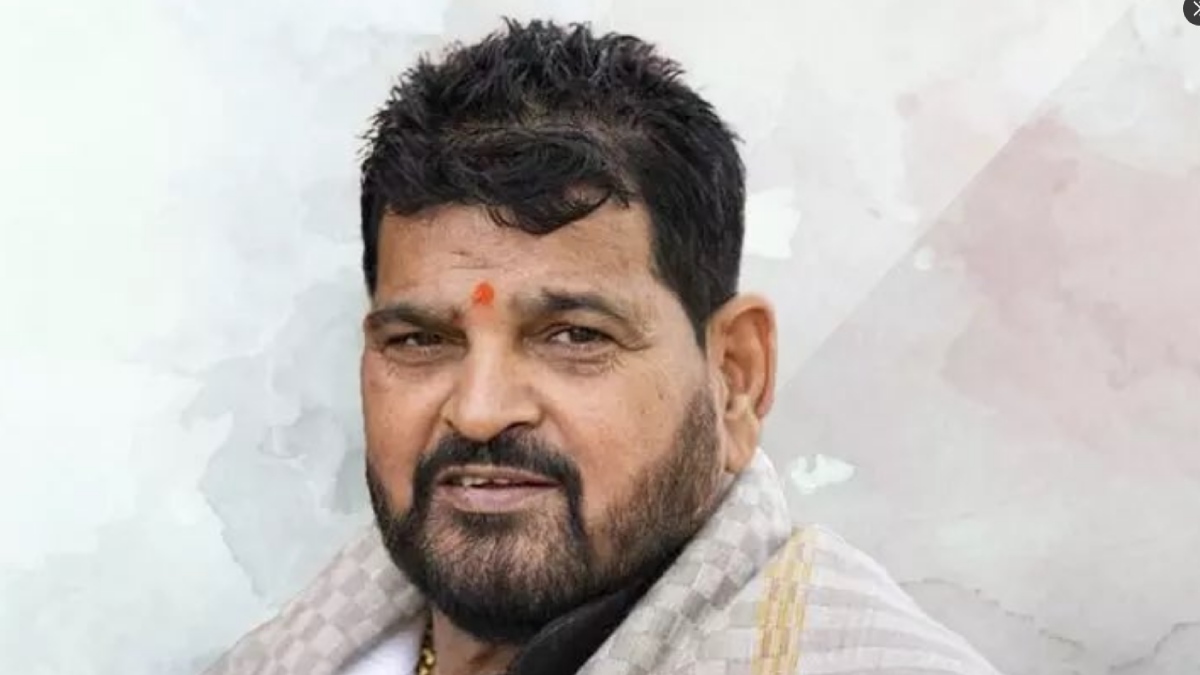
The story starts with January 2023 when India’s world-class international wrestlers including Olympic medalists Sakshi Malik, Bajrang Punia, and world championship medalist Vinesh Phogat held historic demonstrations at Jantar Mantar in New Delhi. They accused Brij Bhushan Sharan Singh of sexual harassment, intimidation, and abuse of power during his time as the chairman of the WFI. What was a local athletic complaint developed into a mass protest by the athletes; the mass protest was one of India’s most powerful athlete-led protests, and national debates over athlete safety, institutional accountability, governance transparency, and how to build up national sports bodies started.
After some initial resistance and a short-lived suspension of protests by the government (when government intervention made an oversight committee to investigate the original complaints), the protests erupted in April 2023 due to the perceived delays in action. The deadlock led to the aggrieved wrestlers approaching the Supreme Court of India. The Delhi Police, acting on the directions of a bench headed by the then Chief Justice, made two formal First Information Reports (FIRs). A 1,500-page chargesheet was made against the accused men on the basis of various sections of the Indian Penal Code (IPC) and related claims of sexual harassment, stalking, and criminal intimidation against women. A POCSO (Protection of Children from Sexual Offences) case against a minor complainant was closed after the family of the complainant made a withdrawal.
The court made formal charges against Singh and Tomar in May 2024, but the accused held that they were innocent and pleaded not guilty. During the trial that began under closed doors in order to protect privacy, the defense team led by Rajiv Mohan had very strong evidence to show that the prosecution’s testimony was wrong in terms of dates, locations, and events. The defense also sought an alibi for Singh as documents did not reflect where Singh was, and the report of the incidents was delayed for so long.
The political and social implications of the controversy had already been evident before the verdict; the ruling Bharatiya Janata Party refused Singh an electoral seat in the 2024 Lok Sabha elections. The Rouse Avenue Court now has given Singh and Tomar an acquittal, and the Indian sports history will have been one of the most polarizing experiences, and will have a long-lasting impact on athlete movement and institutional oversight.