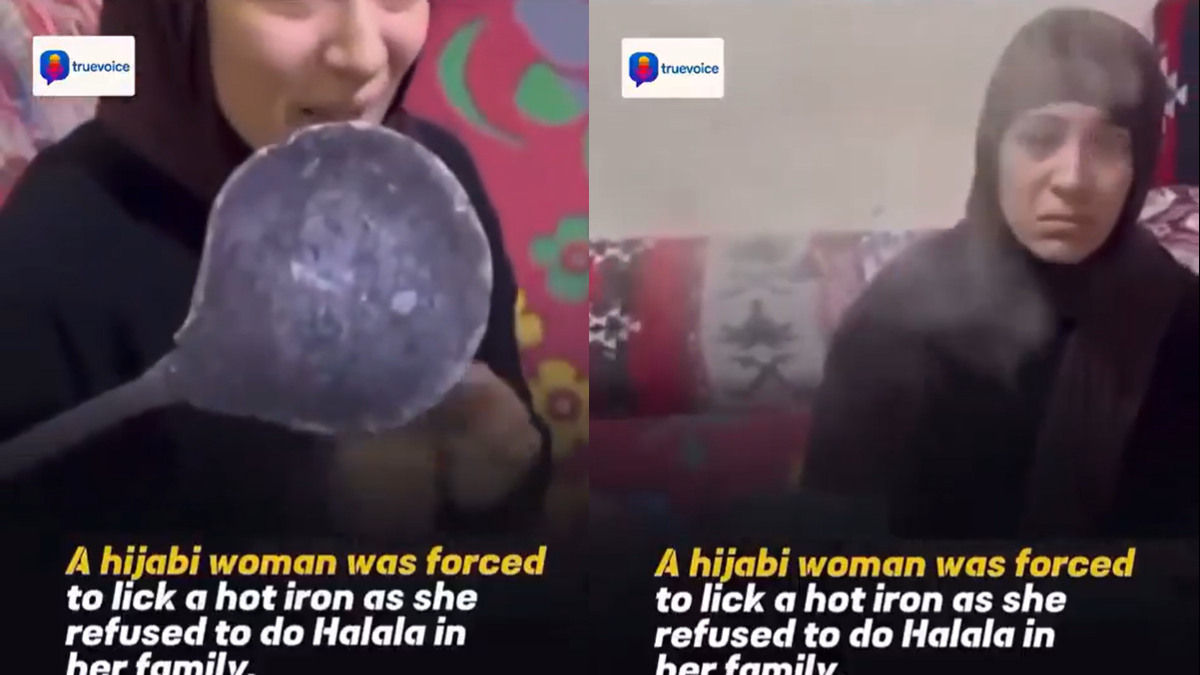
A scary video published on social media since January 2026 once again takes the case of Nikah Halala to international attention. The video, depicting a woman being brutalized for not upholding the practice a regressive tradition that continues to haunt parts of South Asia despite significant legal strides to abolish it was not without controversy.
The Contentious Practice Explained
Nikah Halala (Sharia) is a process and a custom associated with particular interpretations of Sharia law. It requires that if a couple has undergone a "triple talaq" (instant divorce), they cannot remarry until the woman marries another man, consummates that marriage, and then the second husband divorces her.
Although the location and the identity of the victims remain undetermined, the story behind the video, which accompanied the clip, has struck a chord with human rights activists. Viewers have voiced horrific disbelief towards the brutality seen, with many calling for the radical rewriting of personal laws preventing such exploitation to continue. The law was a legal stride toward advancement:
According to reports, a woman wearing a hijab was allegedly forced to lick a hot iron after refusing to undergo halala within her family.
— AmericanPapaBear™ (@AmericaPapaBear) March 3, 2026
The incident highlights concerns around coercion and harmful practices linked to halala, a controversial custom debated in South Asia. pic.twitter.com/h2k2GRa5kY

Ground reality
The Muslim Women (Protection of Rights on Marriage) Act was passed by the Government of India in 2019 which criminalised instant triple talaq as a law. The entire law was meant to combat the very cycle of abuse that causes the “necessity” of Nikah Halala. Under the act, triple talaq is considered a cognizable crime and punishable by three years imprisonment.
In recent years, there have been efforts to regulate women's ability to use talaq, including calls for the halala ban in India. But critics say the "halala" requirement can continue to hang over isolated and conservative regions of India and Pakistan, despite triple talaq's bans.
Exploitation: There have been reports of women being sexually abused and married to men by clerics and their family members using the practice. A global conversation on women's rights. The video's viral nature has given rise to a wider discussion about the convergence of religious interpretation with core human rights.
According to critics, the practice of it was a form of patriarchal authority used to oppress and suppress women. Some Islamic scholars, however, said the practice is widely misinterpreted and distorted by those intent on defending domestic abuse. “Justice for one is justice for all,” wrote an activist on social media. We must not let 18th-century understandings determine 2026 women’s safety.
The video has accumulated millions of views and the pressure on regional officials to impose harsher penalties on those forcing women to make such “arrangements” is adding to the growing pressure. For now, the clip is a jarring reminder that legal bans are just the first step in a far longer road toward cultural and social reform.