Recently, incidents have been reported where disturbing behavior has occurred outside of the Indian Consulate in Vancouver, Canada. Groups connected with Khalistani extremist groups have been setting fire to the Indian national flag and even copies of the Constitution. What should have been peacefully held protests have transformed into acts of open hostility. The actions have horrified a lot of Indians across the globe and posed serious questions to the state that respect, law, and free speech must be limited to a narrow range of things.
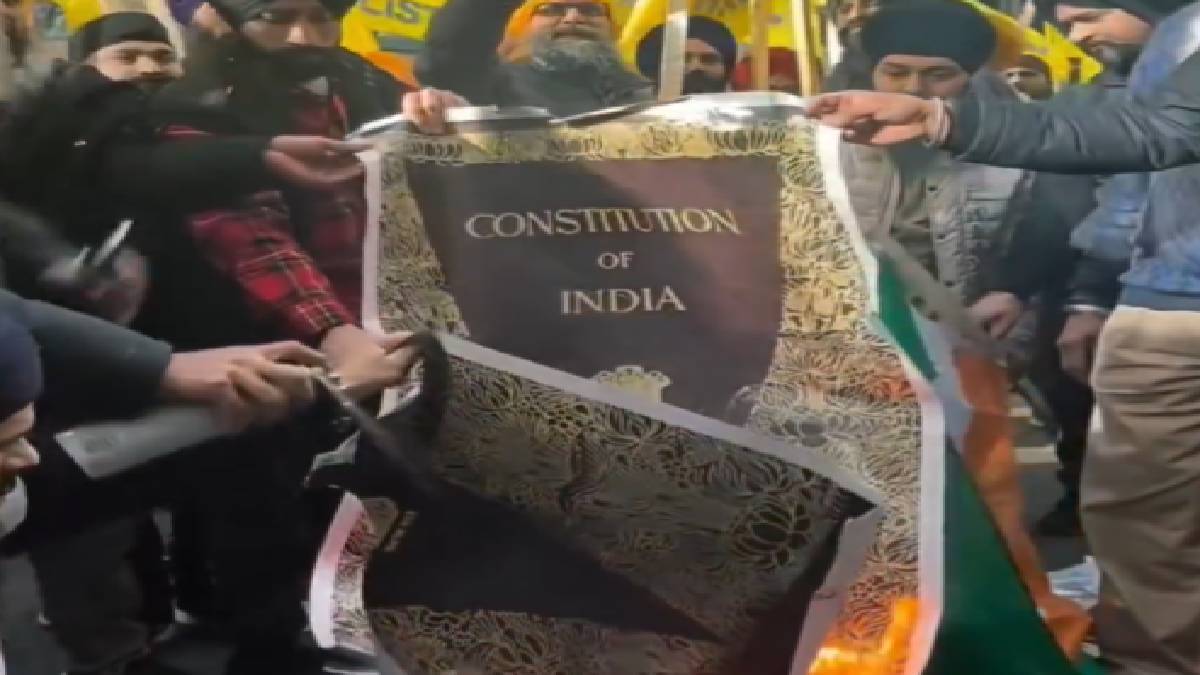
Outside the consulate, extremists have held demonstrations on a regular basis when they set fires to the Indian flag and the Constitution of India. These are not symbolic protests but attempts to be very disrespectful of our country, and of its democratic norms. The Indian Constitution is the bedrock of India’s democracy and the national flag a symbol of pride and unity. Burning them isn’t only offensive — it’s an assault on the country itself.
"Khalistani terrorists burnt Constitution." 🚨
— Suraj Kumar Bauddh (@SurajKrBauddh) February 2, 2026
Burning the Indian national flag and the Constitution outside the Indian Consulate in Vancouver, Canada, has become a daily routine for these terrorists. Jaahils!
This isn't a protest. It's open terror activities. pic.twitter.com/2n2EMlrEdX
Such incidents are said to be routine, leading many groups to meet on a regular basis and perform these acts. For a lot of people this is not about political contention, but to sow fear and hatred.

Protests are an element of democracy. Even critics of governments have the right to express their views, including critical ones. The line between protest and extremism is clear. Peaceful protests are with people talking or shouting or marching. Burning national symbols is a clear breach of that line, in fact burning national symbols. When it is not an issue of talking about debate, but one of destruction.
Such actions also tarnish the image of the legitimate Sikh communities and do irreparable harm to the perception of non-violent Sikhs in Canada and beyond that of communities of Sikh communities that coexist peacefully in Canada. Extremist groups co-opt the Khalistan issue to justify such acts of violence, and most Sikhs disapprove of them. In burning the Constitution and flag, extremists are not only insulting India but also isolating themselves from the wider populace.
These events have also strained relations between India and Canada. India has repeatedly expressed concern about extremist activities abroad, particularly those that target Indian diplomats or institutions. To burn national symbols outside a consulate is seen as a direct provocation.
Diplomatic missions should be safe places for dialogue and cooperation. When extremists gather outside to make such things happen, it subverts the spirit of international cooperation. India's foreign minister has called upon Canadian officials to take a tougher stance on the perpetrators, asserting free speech cannot be abused for the encouragement of intolerance, hate or violence.
The Indian Constitution is not just a document of the people. It embodies the shared will of the people: it assures rights and liberties to all citizens. Burning it is an assault on democracy’s very ability to exist.
The national flag is also a flag of sacrifice, unity and pride. That flag is what millions of Indians have fought and died for. To set it on fire is to dishonor their memory. The sight of these symbols being destroyed is deeply painful for Indians across the world. It is not only politics that is at stake — it is part of a fight over identity, dignity and respect.
It’s misleading to label these acts “protests.” They are not intended in the service of dialogue, or reform. They are intimidation intended to instill fear. Extremist groups employ action like this to raise awareness, in truth they reveal their own antipathy to democratic ideals.
True protest demands change peacefully. Terror activities, however, aim to destroy. It’s obvious that burning the Constitution and flag are the latter.
The burning of the Indian National flag and Constitution in Vancouver outside the consulate remains a painful example of how extremism can abuse free speech. These acts are not protests — they are attacks of terror carried out just to insult and provoke. And India has every right to make it clear we want to hold those who violate our symbols and institutions to account.
At the same time, please do not forget that these extremists are not representative of the wider Sikh community which is committed to the principles of peace and democracy. In short, these incidents show the need for stronger international cooperation against extremism. Respect for national symbols, in a similar but broader sense, is respect for the people they represent. Burning them is not courage — burning them is a hateful act. And hatred should never be permitted to substitute for dialogue and peace.