The Calcutta High Court will hear a petition by the Mamata Banerjee-led Trinamool Congress (TMC) on July 15 seeking permission to organize a political rally. The legal action is taken after the party failed to get administrative approval for the proposed gathering and went to the High Court for relief.
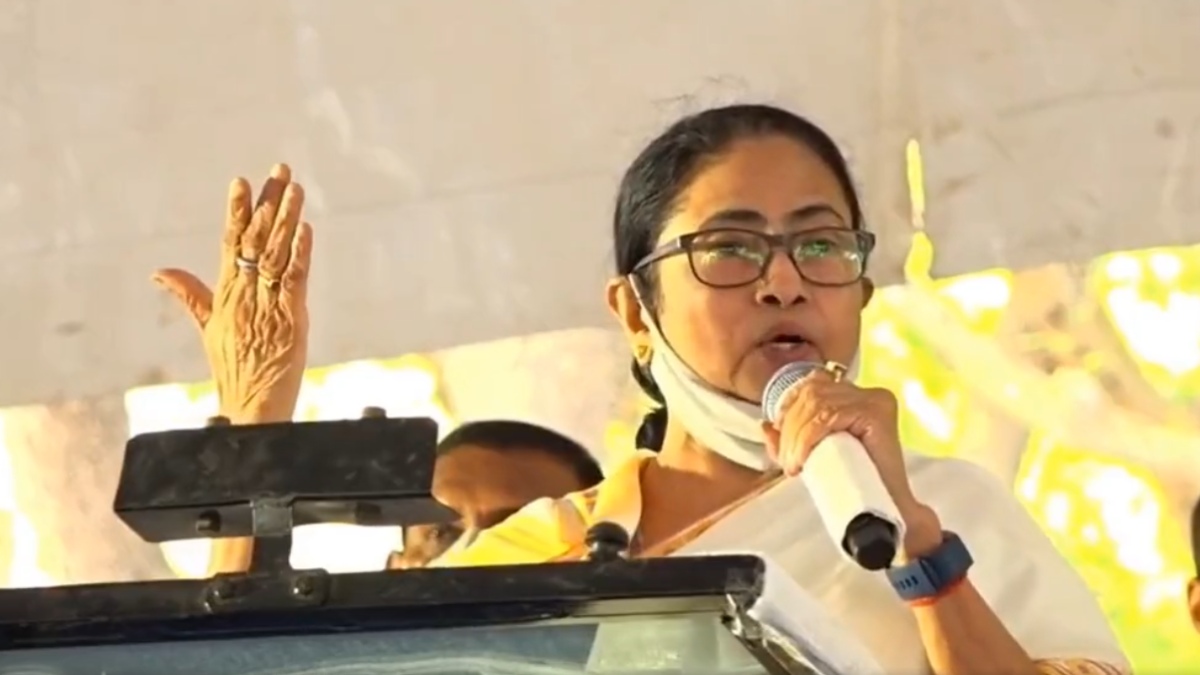
According to party sources, the rally is intended to mobilize supporters and address the pressing political and public issues in West Bengal. The organizers claim that permission for the event was either denied or pending, so they turn to judicial intervention. The High Court will view the petitioners and state authorities’ bids to have the rally held and decide whether this is to happen.
The case reminds us of the perennial legal and administrative challenges of political rallies and public assemblies in states where the political competitive environment is so intense. Political parties of all kinds across the political spectrum need permission from local and law enforcement agencies before holding large public rallies in order to ensure that security arrangements are in place and traffic is maintained and public safety is guaranteed.
If necessary, the TMC will say in its petition that peaceful political meetings and rallies are an integral part of democratic participation and are protected under the constitutional right of speech and peaceful assembly. Any restrictions on such events should be reasonable, proportionate and supported by valid administrative or public safety considerations, the party will argue.
At the same time, the authorities might present their reasons for withholding or delaying permission; for example, they might say it is law and order, traffic control or that other public events are scheduled in the same area. And courts generally weigh those competing pressures, balancing the constitutional rights with the public order and administrative duties.
Legal experts say Indian courts have repeatedly ruled that citizens and political parties are able to organize peaceful assemblies but their rights are subject to reasonable restrictions under the Constitution. And in the name of law and order, public safety and the protection of essential civic services, organizations are allowed to regulate when, where and how public events are held.
The hearing will look at whether the administrative decision was legal and whether there was sufficient justification for not issuing permission or delaying it. The court should also consider whether other arrangements, such as a different venue, revised timings, or additional security measures, might also be used to get the rally to go ahead and handle administrative concerns.
Political rallies have a major role in India's democratic process. They give parties a platform to communicate policy positions, rally supporters, respond to political developments, and communicate directly with the public. As elections and major political events approach, these crowds are often played a major role in campaign strategies and public outreach efforts.
West Bengal has seen a series of legal disputes for political permissions in recent years and parties come to courts in various political cases in case of unfair treatment or administrative complications. The courts frequently have said public meetings should be made on objective judgment instead of political sentiments.
The outcome of the present case could go a long way for the conduct of political rallies and for the interpretation of administrative powers for the granting of permission for public gatherings. The High Court’s decision to give direction to the case could also be relevant to the present case and any others where political organizations and local authorities have similar disputes.
If permission is granted, security arrangements may be a key consideration. Large public gatherings typically need coordination between police, civic authorities, traffic departments, emergency medical services and event organizers to ensure the safety of participants and minimize inconvenience to the general public.
Political workers and supporters will be watching the proceedings closely, however, as the High Court’s decision on whether the planned July 15 rally will be able to take place on time. The petitioners and the state administration will make detailed arguments during the hearing.
The case underscores the importance of judicial oversight in resolving disputes involving constitutional rights and administrative decisions. Courts are essential in ensuring democratic freedoms are protected while also acknowledging the responsibility of authorities to maintain public order and safety.
If the hearing is held, all eyes will be on the Calcutta High Court, whose decision will clarify the legal position regarding the proposed rally. Whatever occurs, the proceedings will have to do with the debate over the balance between democratic rights and administrative responsibilities in one of India’s most politically active states.