China’s maritime claims have once again drawn international attention as more countries reaffirm their commitment to international law and freedom of navigation in contested waters. The most recent developments have intensified diplomatic talks around maritime boundaries, regional security and the application of international legal principles in one of the world’s most strategically important regions.
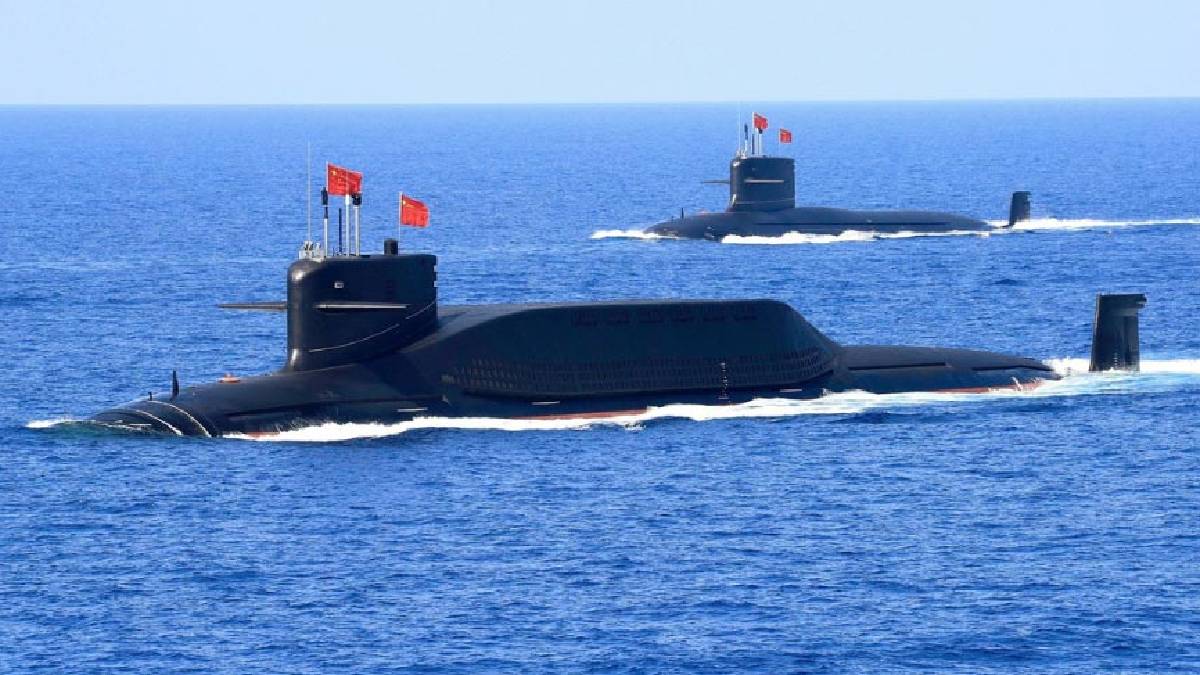
At the center of the debate is the South China Sea, a crucial maritime chokepoint through which nearly all of global trade passes each year. The South China Sea also has a lot of oil, natural gas, and marine resources, and therefore is very strategic and economically important. China has territorial claims on much of the South China Sea, but other neighbors like the Philippines, Vietnam, Malaysia, Brunei, and Taiwan have overlapping claims on the same waters.
For several months, governments from both nations have supported the rules-based international order and emphasized, in the last weeks of this year, the peaceful and transparent resolution of maritime disputes in line with international law. Many countries also point to the importance of freedom of navigation and overflight as the vital tenets of global commerce and regional peace.
The international debate is still centered on the 2016 ruling by an international arbitral tribunal under the United Nations Convention on the Law of the Sea (UNCLOS). The tribunal ruled that there could not be a legal basis for all the broad maritime claims China made under the so-called “nine-dash line.” China said the tribunal made no such ruling, and China has refused to recognize or accept it, and has maintained that, after all, it is still based on its historical rights and sovereignty.
With growing naval patrols, joint military exercises, and diplomatic engagement among countries that have strategic interests in the Indo-Pacific region, this focus on the region is more acute as it is in its prime. Such activities are believed to help to maintain stability and deter unilateral actions and also to uphold international maritime law. But China is vehemently against external interference and has repeatedly warned the rest of the world not to act in the region.
Defending the maritime interests of neighboring claimant states through diplomatic dialogue, legal processes, and security cooperation is also ongoing. The Philippines, for example, has strengthened cooperation with several allies and has said it will respect international legal decisions. Vietnam and Malaysia have also said in the past that there is no need for violence, and that disputes have to be resolved in peace, and that they will defend their sovereign rights under international law.
They say the South China Sea is a geopolitically sensitive area, and it is still not a free zone. Besides territorial disputes, it has become increasingly important because big global powers are in the midst of a war. But the regional significance of shipping, energy security, fisheries, and regional defense means that governments, the business community, and security experts are very much interested in it.
Most of the countries involved in the talks are still talking, and all of them are still working on a peaceful resolution of disputes. Talks are also ongoing with China and the Association of Southeast Asian Nations (ASEAN) to form a Code of Conduct, but progress has been slow.
The latest international responses highlight the importance of international law, diplomacy, and regional cooperation in solving tricky maritime issues. The issue of sovereignty is far from resolved, but governments in the Indo-Pacific insist on calm and open communication and legal consistency. As competition between countries and territorial disputes take place, the South China Sea will be one of the focal points of international diplomacy, as maritime security and freedom of navigation are also very much at the heart of global peace and cooperation.