A video that went viral recently showed a school child opening a lunch box full of instant noodles and packaged snacks. The boy dressed in a school uniform sits quietly at a desk, but there is not enough food for growing kids. The tweet that posted the video called it "the saddest video I have seen this week," prompting parents to share better food with their children. It touched many hearts, whether staged or not, and ignited a wider discussion about child nutrition, food habits and the responsibilities of families and society.
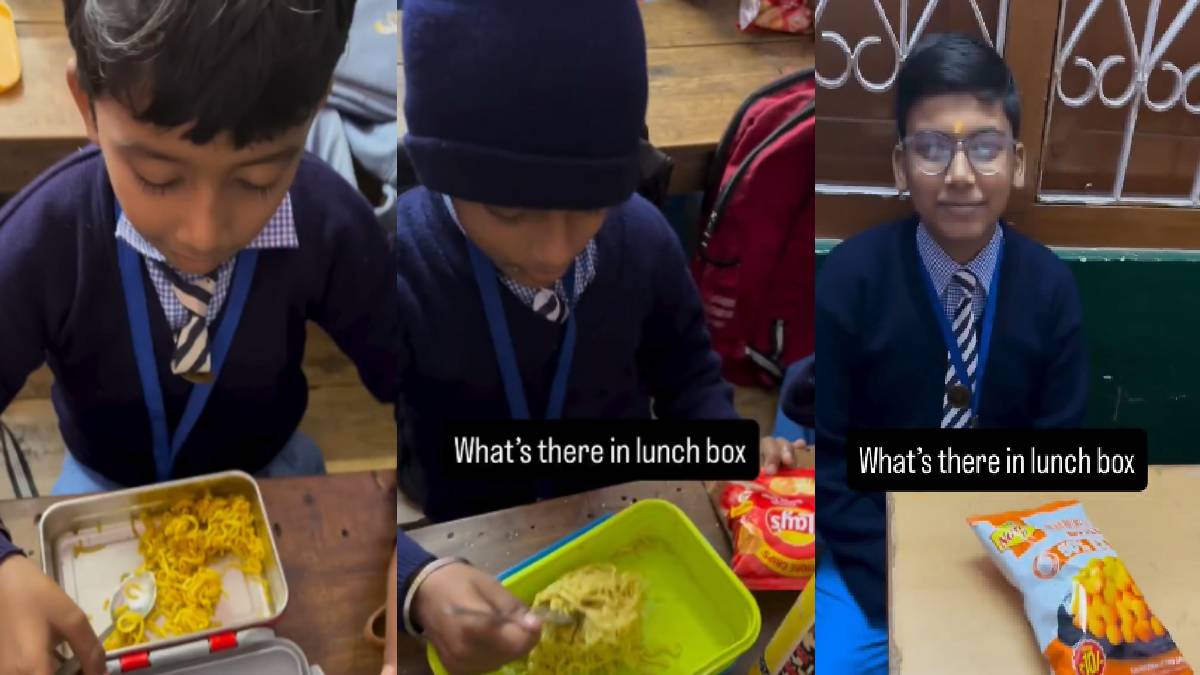
The child’s lunch box, in the video, was filled with instant noodles, along with packets of chips and processed snacks that he put on the desk nearby. There is no fruit and vegetables and any source of protein; all there is is fast, packaged food. This could all seem to be the norm, but it really is nothing but an area of acute concern. Kids require plenty of food to grow, focus at school and be healthy. Instant noodles and chips are high in salt, fat and preservatives but low in the essential things such as vitamins, minerals and fiber.
Saddest video I have seen this week
— Vineeth K (@DealsDhamaka) January 12, 2026
The video is staged or not, this is true in many households. Give good nutrition to your kids pic.twitter.com/YIpyxfbRPT
Sadly, that’s not only the story of one child. Similar meals are common for many children around India and beyond, and they are eaten at school every day. Unhealthy food choices are often made on the fly by busy parents or people not well off, or simply lack of knowledge. In some homes, instant noodles are regarded as treats or as a quick fix if time is a constraint. But in the regular course of life, such meals can start to take a toll on a child’s physical and mental development. Weak nutrition can manifest as fatigue, poor concentration, frequent illness and even chronic health problems such as obesity or diabetes.

Kids grow quickly and are at their best. Young children’s bodies and brains are growing extremely quickly and healthy nutrition allows them to develop healthy bones, clear minds and a sound immune system. A healthy lunch box should include grains such as rice or whole wheat bread, a source of protein such as eggs, lentils, paneer, or chicken, fresh fruits and vegetables, and a healthy small snack such as nuts or homemade treats. Kids need these foods to fuel and nourish themselves.
Parents are an essential part of their children’s feeding. Saving the money to cook a new meal may mean a little more work. However, schools are also helping teach children about healthy food, encouraging them to make better choices. In fact some schools have put nutrition programs and guidelines for lunch boxes at school. This is a step in the right direction. Teachers and school personnel may also be able to provide support for this project by spreading awareness and promoting healthy eating.
The video posted online may have been brief, but its effect was powerful. It struck people that behind every lunch box is a story, a story of love or effort or neglect in some cases. Such tweets can spread awareness and effect change. And they can spark conversations between parents, teachers, and those who live in communities about how to better support child health. Social media can bring attention to mundane crises and transform them into movements for better living.
Rich or poor, every child deserves a meal that makes them strong and smart. Nutrition is more than food: It’s dignity, it’s care, it’s opportunity. Lunch boxes should not symbolize sadness. It should be a statement of hope, health and love. Let this video be a bellwether, not just for any one family, but for us all. It’s time to ensure that every child opens the lunch box with sustenance, not convenience.