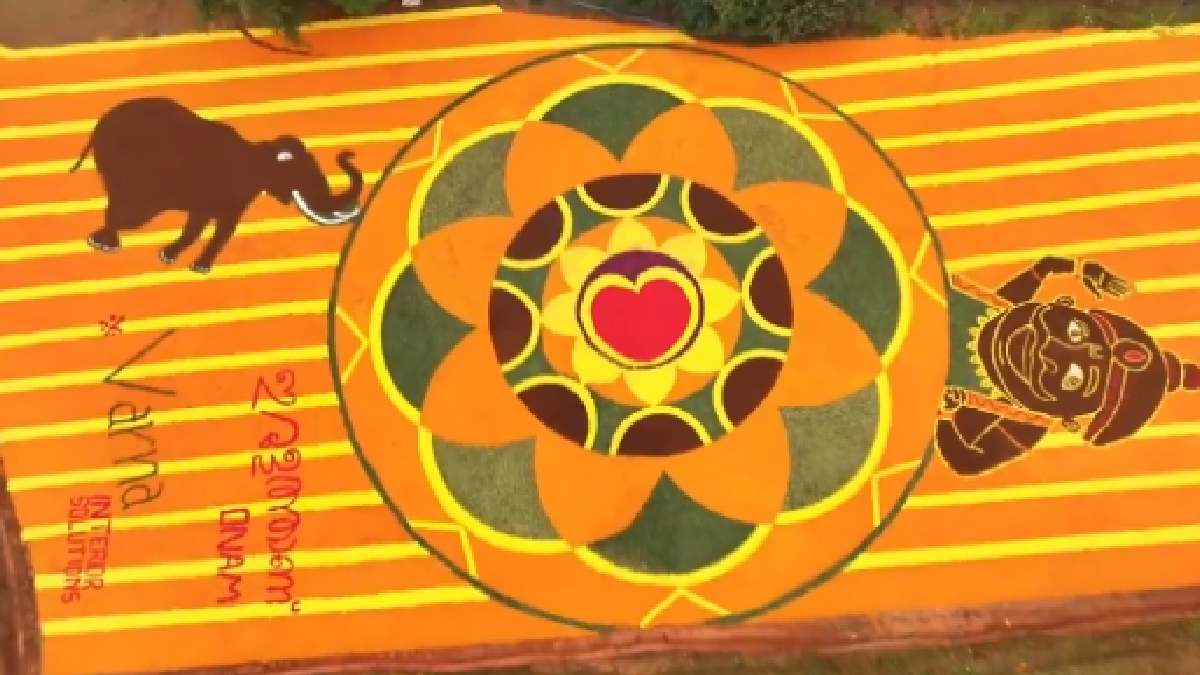
The celebrated festival, Pongal, which began on January 14 during Tamil Nadu, brought into the spotlight some rather bizarre issues relating to the custom of rangoli paintings in the State. CCTV cameras in diverse locations of Kanchipuram on multiple occasions found the complex rangoli designs printed on roads and homes have been intentionally stepped on, smudging the intricate art.
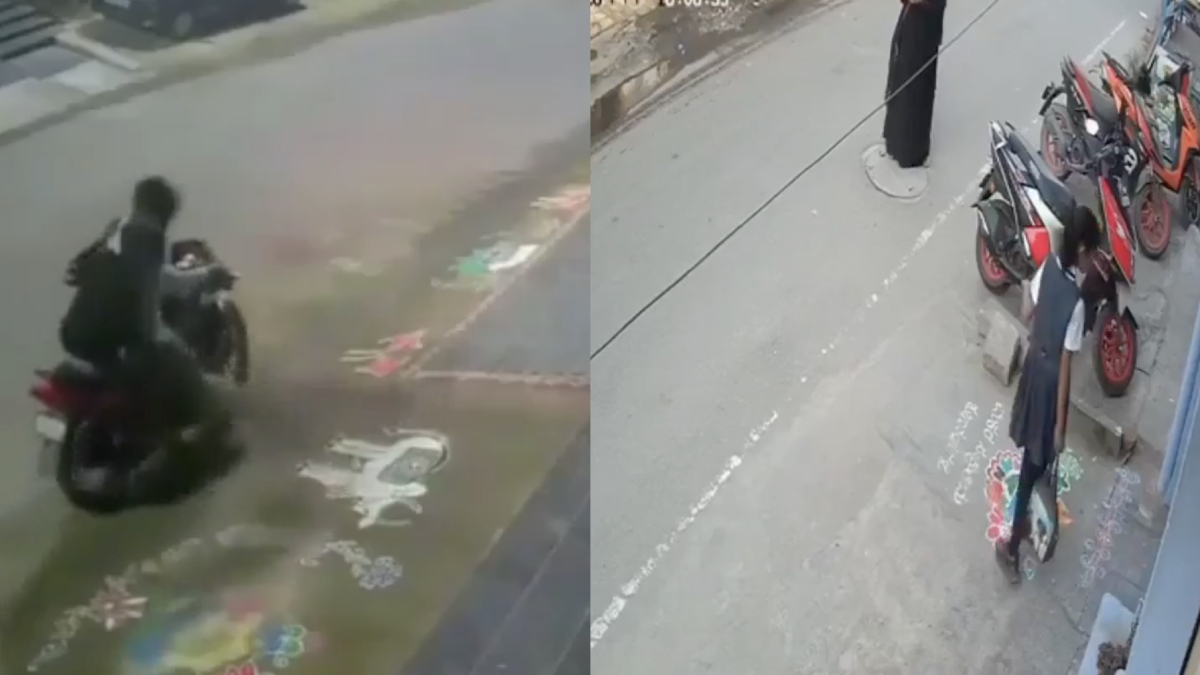
On Pongal, families pride themselves on building intricate rinds with rice flour, depicting flower motifs as well as bird motifs, pots and other fortunate objects on public paths and doorsteps as an offering and as an outward symbol of blessing. But videos shared on social media showed people walking on wet rangoli on the ground in different fashions, with figures in abayas, motorbike drivers, groups of men who were out at night and even children with an adult present, just walking over it without a problem.
Men, Women or Children - like a pattern! Shocking visuals viral on social media pic.twitter.com/RMcWaJvPnz
— Megh Updates 🚨™ (@MeghUpdates) January 17, 2026
To some, the stepping onto the rangoli - considered to be an insult against a great Hindu tradition, particularly such practices, to a small percentage of the community, was intended to cause them much anger. It’s been reported in some quarters of the community as a kind of intentional insult to Hindu traditions, causing concern that the images have sparked debates on religious sensitivity, cultural traditions and respect for culture. From the left, meanwhile, voices in and outside society have called for caution and consideration of context based on the case.

Rangoli patterns are often not limited to private lands, particularly on public footpaths and pavements, many of them note. As a result, the walking on these streets may sometimes be inevitable for just regular folks. Critics of the outrage point out that nothing has been said or done so far in reports of these incidents, such as by local officials and the police. Yet in such public squares widely occupied by various cultural minorities at the same time, the incidents raise questions as to how culture maintains one’s culture. More seriously, the matter underscores broader debates on coexistence.
In an increasingly plural society cultural symbols and meanings are ever being contested. For now, the smeared rangoli act as a literal metaphor in the ongoing negotiations on heritage, societal peace, and how we negotiate tradition with life in Tamil Nadu.