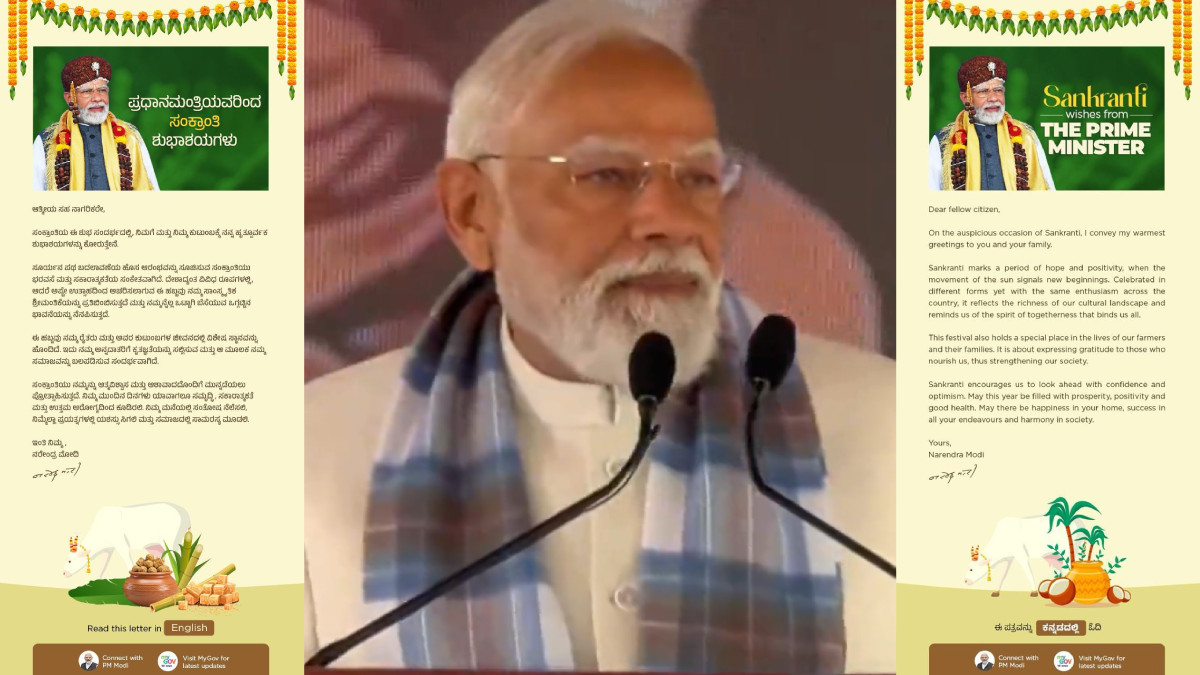
India is one of the most beautiful countries when it comes to festivals, where every festival is made that reflects the diversity of culture of the nation. Makar Sankranti, however, is very special as it signals the transition of the sun into the zodiac sign of Capricorn (Makara). This day typically is on the 14th of January and is part of a harvest festival all around India. Thankfulness to the natural world and the joyous festival of prosperity are essentially the same, but those practices and customs change depending on where you are in India. From a sweet rice kitchen in Tamil Nadu to flying kites in Gujarat, Makar Sankranti unites communities with laughter and thankfulness.

Pongal in Tamil Nadu:
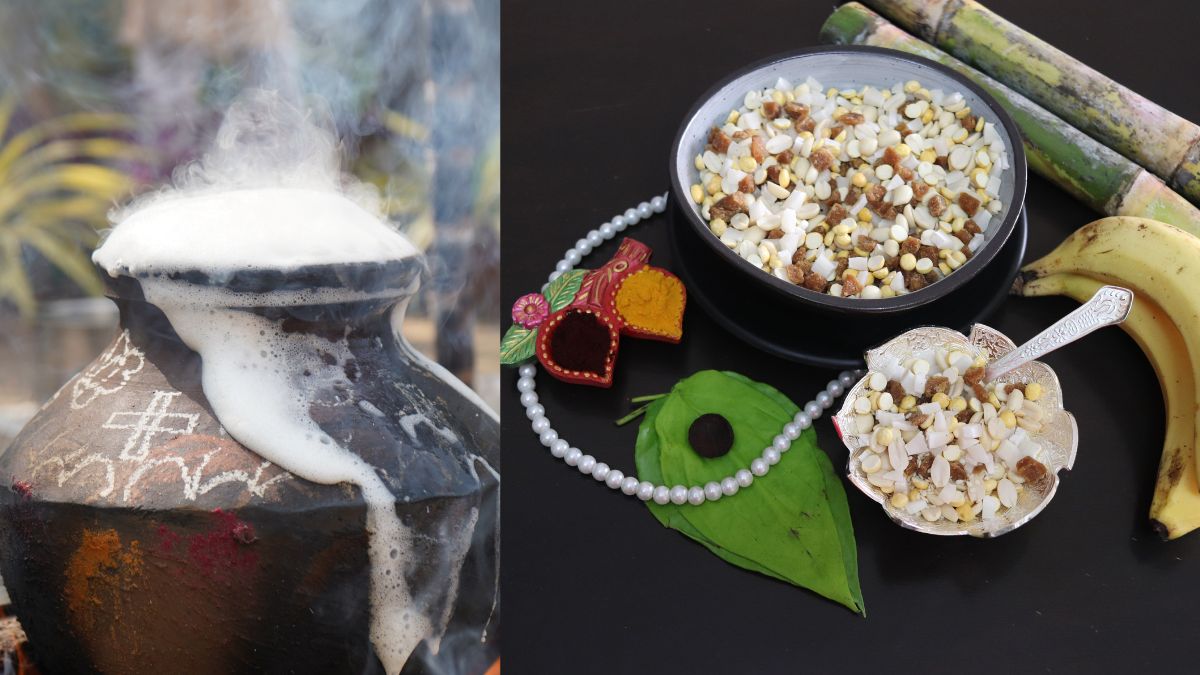
In Tamil Nadu, Makar Sankranti is observed as Pongal - a four-day festival dedicated to the Sun God and nature for a prosperous harvest. The highlight is the making of a special dish called Pongal, cooking rice with milk and jaggery in new clay pots. The rice boils and spills over, symbolizing wealth and prosperity. When families are eating, they hang colorful kolams (rangoli) on their homes, and cattle are embellished with bells and flowers. Pongal is not only about food, but also about thankfulness to nature, animals, the farmers who made life possible.
Lohri in Punjab:
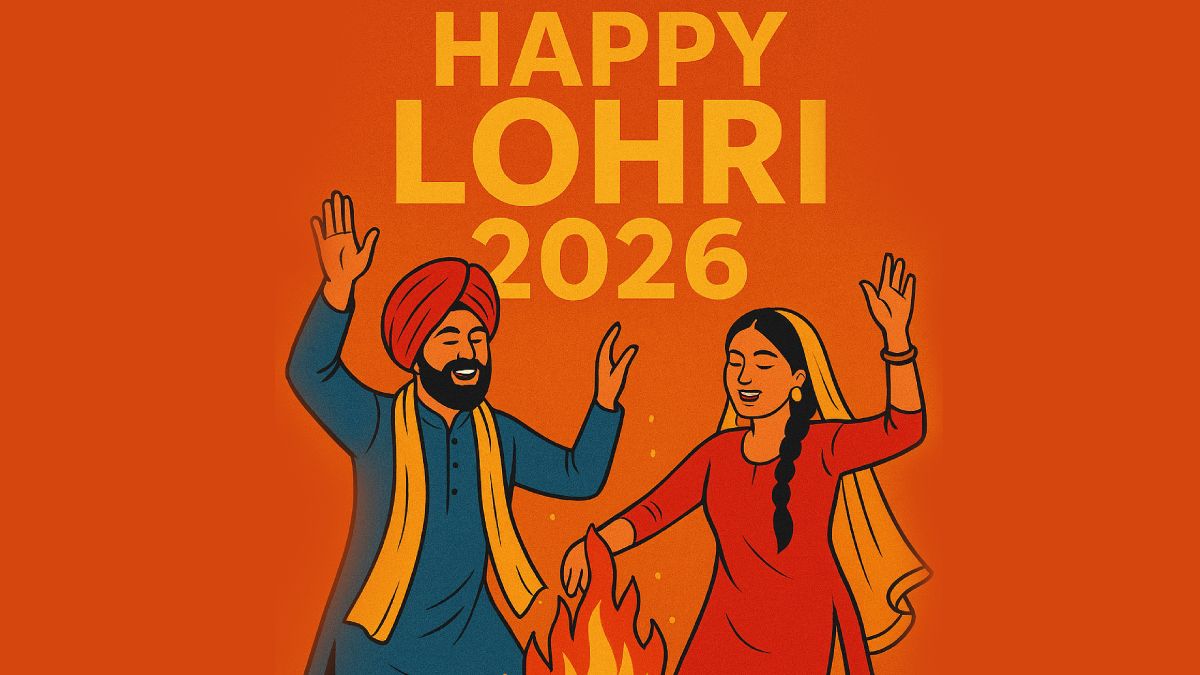
In Punjab, the day is referred to as Lohri and it is celebrated with much excitement. At night, people gather around giant bonfires and give sesame seeds, jaggery and popcorn to the flames. The bonfire is the sign of warmth and the winter’s end. Bhangra and Gidda (the folk songs) add rhythm and joy to the evening. Lohri is especially essential to new spouses and newborns because it represents hope and blessings. It's a community bonding festival, where friends and families circle round to share joy.
Uttarayan in Gujarat:
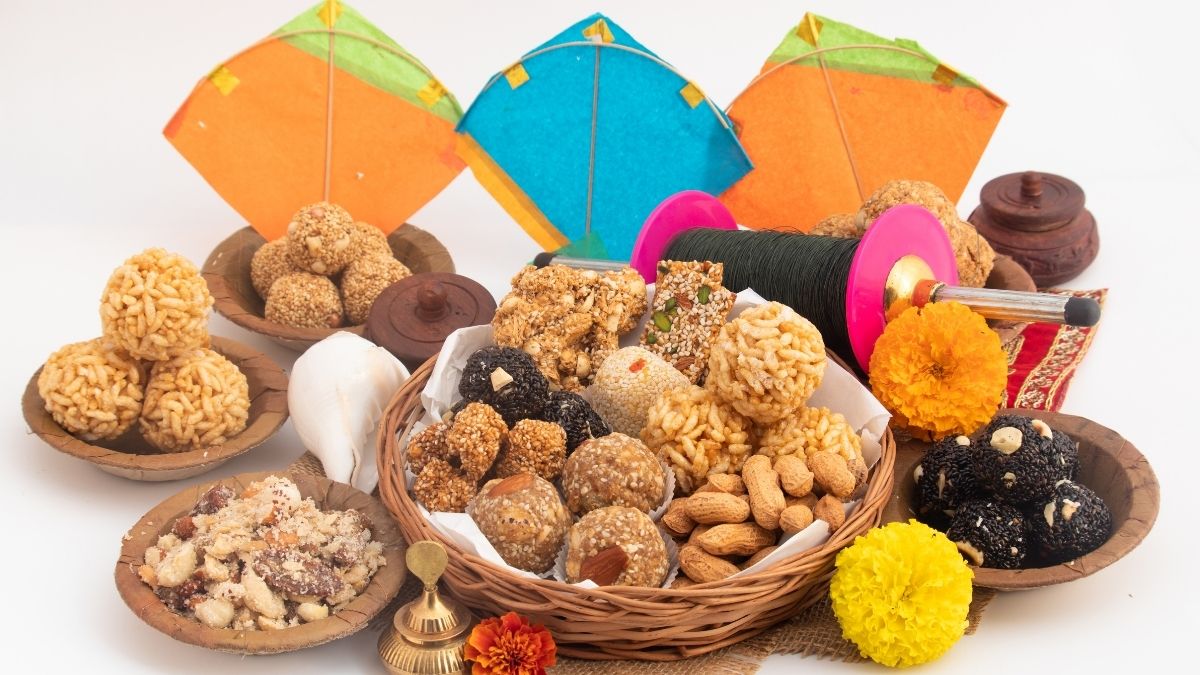
In Gujarat, named Uttarayan, Makar Sankranti is famous for its colorful kite festival. Over here in the skies, various kites of each type flit vertically, horizontally, vertically onto the canvas, making for a stunning vista. Individuals vie for control of their kites by yelling to each other, “Kai Po Che!” Family and friends come down on rooftops to enjoy the day together and the festival is all about having fun as well. Special foods like undhiyu (a mixed vegetable dish) and chikki (sweet, sesame/jaggery); they are the dish we make to bring flavor to the celebrations.
Andhra Pradesh and Telangana- Bhogi and Kanuma:
In Andhra Pradesh and Telangana, festivities officially start with Bhogi, and old objects are thrown away and burnt in bonfires representing the loss of negativity and new beginnings. The next day is Kanuma, which is a cattle worship. Since cattle are vital for agriculture, they are decorated and revered with rituals. These traditions focus on respect for the animals and how humans and nature are intrinsically intertwined in the agricultural fields.
Khichdi Festival in Bihar and Uttar Pradesh:
In Uttar Pradesh and Bihar, you observe the Khichdi festival as Makar Sankranti. People cook khichdi as basic, and serve it to the deities. It is then shared to family, neighbors and particularly the common people -- emphasizing love and care. In this way he teaches goodness and compassion. Bathing in Ganga waters is also considered as a holy holiday too. The Khichdi festival reflects that simple, shared, devotee.
Makar Sankranti is not only a harvest festival but also a feeling of thank-you, sense of community, and cultural diversity. From the pongal of Tamil Nadu (a sweet tradition to Kerala), the burning bonfires of Punjab, the flaming kites of Gujarat, the cattle worship in Andhra Pradesh and Telangana, or the generous khichdi in Uttar Pradesh and Bihar, each tradition brings different nuances to the festival. Taken in tandem, they demonstrate how India’s unity lies in its diversity. One of the biggest life lessons is by Makar Sankranti, that teaches us that what is considered sacred is really sacred, to respect nature and share with others, to rejoice in life like we should celebrate together.