The central government has approved two Electronics Manufacturing Clusters (EMCs) in Tamil Nadu at a cost of ₹1,012 crore and will be an important step towards strengthening India’s electronics manufacturing ecosystem.
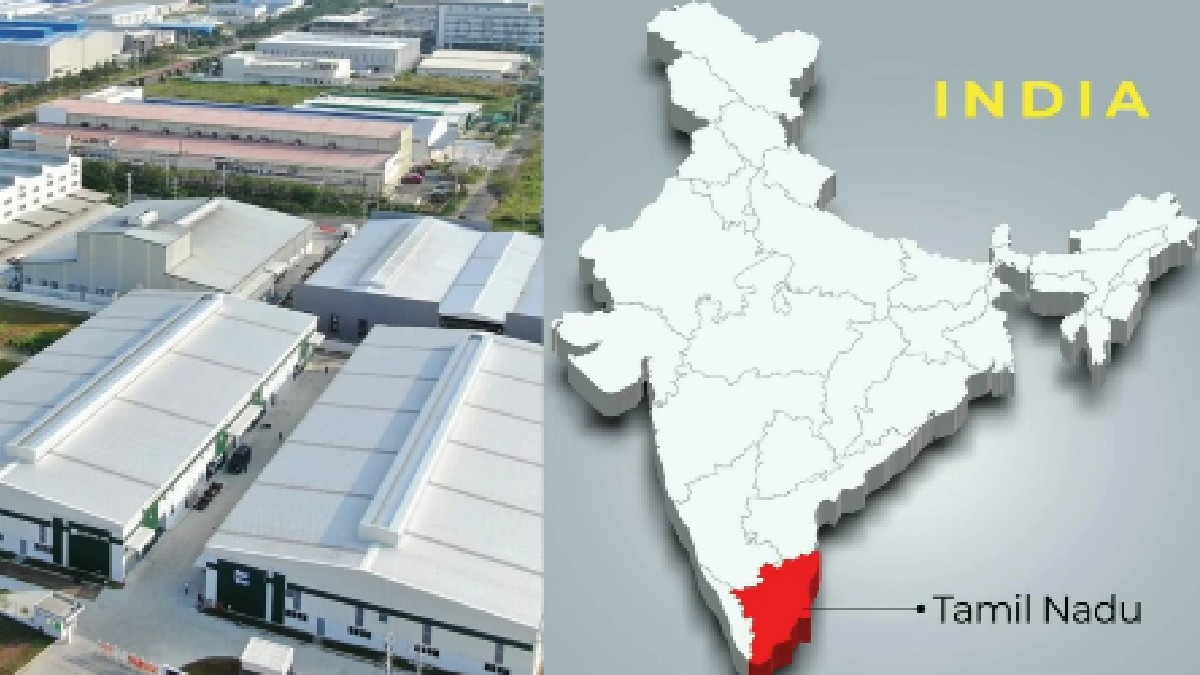
It will attract significant investments to invest in the new projects and create jobs for the country’s electronics and semiconductor industry, solidifying Tamil Nadu as one of the most economically and technologically developed electronics and semiconductor manufacturing hubs.
The two approved clusters will be developed under the Electronics Manufacturing Clusters (EMC 2.0) Scheme, which aims to create world-class infrastructure for electronics manufacturing. The scheme is intended to encourage both local and global companies to invest heavily in India to help the government attain the goals of 'Make in India' and 'Atmanirbhar Bharat'.
Tamil Nadu has become an attractive place for electronics manufacturing because of its industrial infrastructure, skilled workforce, good logistics network, and friendly policies. It already has manufacturing units for many of the world's electronics brands and component suppliers, which is a huge part of India's electronics supply chain.
The new clusters approved will provide plug-and-play industrial infrastructure such as roads, power supply, water facilities, testing laboratories, warehousing, and common utilities that manufacturers can use. This infrastructure should reduce manufacturing costs and improve efficiency and innovation.
Industry experts believe the new clusters will attract fresh investment from manufacturers in smartphones, consumer electronics, automotive electronics, semiconductor components, and electronic hardware. Small and medium enterprises (SMEs) will also be able to become suppliers to larger manufacturers operating in these clusters.
The approval comes as India is expanding its electronics manufacturing capabilities through various incentive schemes like the Production Linked Incentive (PLI) programme. All these initiatives would help lower import dependency, boost exports, and position India as a global manufacturing center.
The electronics sector has been increasing rapidly in recent years, with mobile phones and electronic components production, electronic component manufacturing, and exports rising considerably. Tamil Nadu has also been very much involved in this growth, and several multinational companies have come to invest in the state.
Apart from providing a means of increasing manufacturing capacity, these new clusters will also create thousands of direct and indirect jobs in engineering, production, logistics, maintenance, and support services. Local businesses and ancillary industries are also expected to benefit from increased industrial activity.
The approval of ₹1,012 crore electronics manufacturing clusters is the government’s long-term strategy to develop integrated industrial ecosystems to support next-generation technologies. India is positioning itself as a reliable manufacturing partner, and Tamil Nadu is expected to remain at the forefront of this transformation.
With better infrastructure and policy support, and growing worldwide electronics demand, new manufacturing clusters could contribute to India’s ability to become a global electronics production powerhouse in the next decade.