Russia has announced a temporary three-day pause in strikes on Kyiv as US President Donald Trump’s special envoys, Steve Witkoff and Jared Kushner, arrived in Moscow for a fresh diplomatic push to end the Russia-Ukraine war.
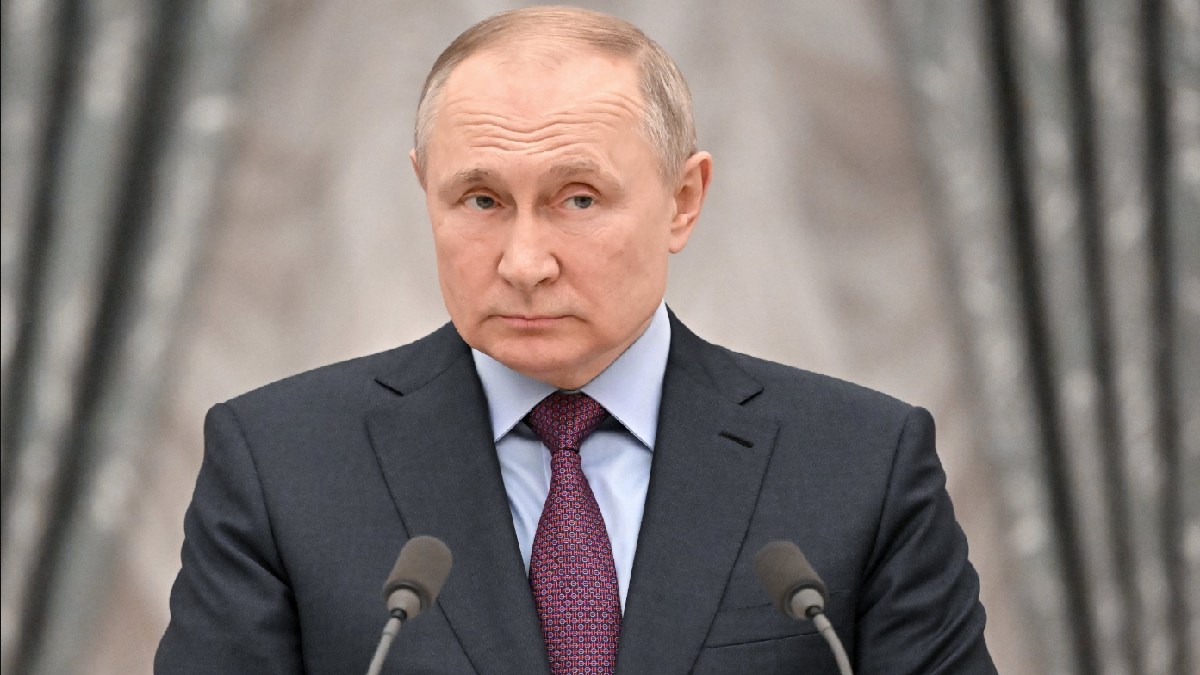
According to local media, Moscow ordered Russian forces to stop attacking the Ukrainian capital beginning at midnight on September 5. Kremlin spokesperson Dmitry Peskov said the pause was related to the preparation and monitoring of meetings involving the American negotiators. But the move does not signal a general halt to fighting and Russian strikes in Ukraine; fighting and Russian attacks remain ongoing in other parts of the country.
The announcement occurred as Witkoff and Kushner arrived in Moscow on Saturday. The two US representatives were met by Russian presidential envoy Kirill Dmitriev, who has previously been in touch with Moscow and Washington. They will be focused on trying to reset talks and find a way to bring the conflict to an end.
US President Donald Trump has hailed the latest diplomatic move as a bid to end the war. Witkoff and Kushner are due to visit Ukraine later on, where they’re expected to meet Ukrainian officials. Ukrainian President Volodymyr Zelenskyy has confirmed the engagement and said Kyiv will give safe passage to the US delegation.
Zelenskyy had earlier called for Russia and Ukraine to observe a temporary air truce while the American envoys conduct their diplomatic mission. Ukraine would not carry out air strikes during the visit, and Moscow should do the same, he said, to allow talks to take place and the logistics to be completed.
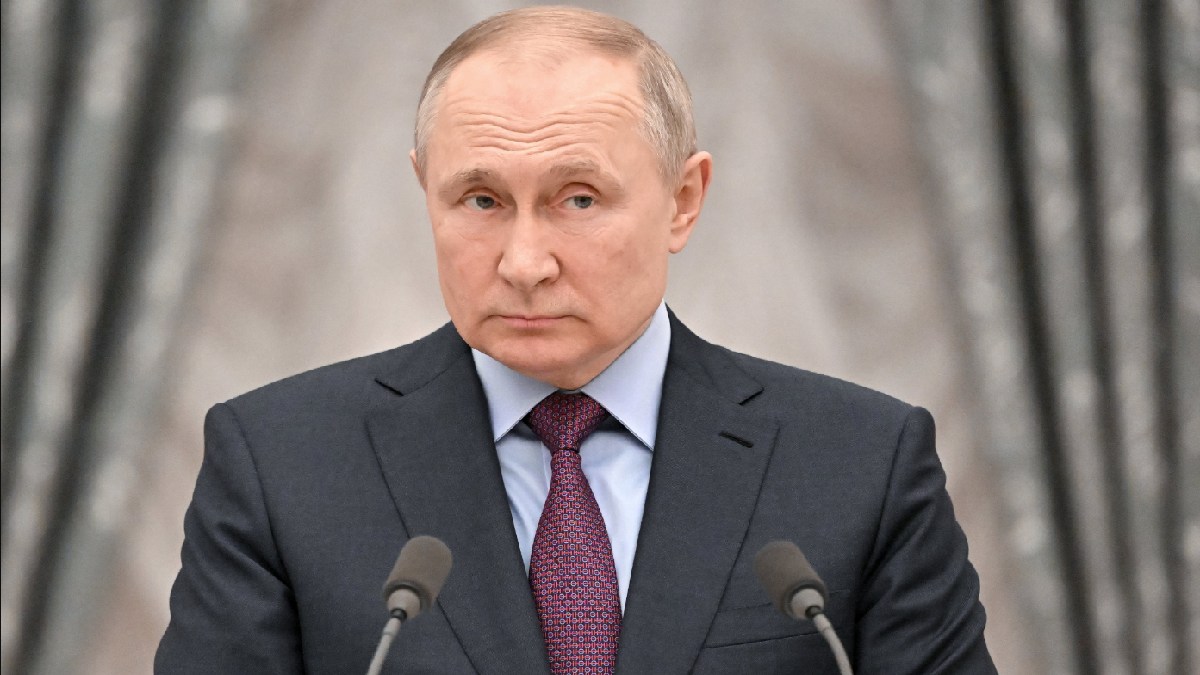
But the diplomatic push comes at a particularly tense moment in the conflict. Russian and Ukrainian forces continue to carry out long-range drone and missile attacks, but the battlefield has not changed much. Russia has intensified air attacks on Ukrainian cities and infrastructure over the past couple of weeks, and Ukraine has launched strikes on sites in Russian territory that are part of Ukraine's energy and fuel chains.
One of the most recent incidents happened in Kyiv, when a Russian drone hit the headquarters of Ukraine's Security Service, reportedly injuring several people. The attack made diplomatic talks complicated by military operations. Ukraine has also targeted Russian energy-related sites in preparation for the revived talks.
The temporary pause has significance beyond its geographical scope. Stopping attacks on Kyiv during the envoys' visit would allow the two sides to have a brief window of direct contact and make the negotiations much more manageable. But the momentary pause is limited to Kyiv, so it is not a full ceasefire or a complete end to military operations.
The core disagreements between Moscow and Kyiv still remain unresolved. Russia has stuck to its positions on territories it claims and has opposed Ukraine’s potential membership in NATO, while Ukraine is still pushing for a guarantee of sovereignty and security. Previous US-backed talks have not been able to resolve these problems from the start, so expectations of an immediate breakthrough are low.
But Witkoff and Kushner’s addition shows that Washington is again putting pressure on both sides. Their itinerary, going from Moscow to Kyiv, could allow US representatives to hear directly from both governments and see if there is enough common ground for a new negotiating process. The effort follows a period where US-backed talks collapsed as Washington was increasingly preoccupied with Iran.
At present, the three-day pause is a modest confidence-building measure, and not a formal peace deal. Its success will be largely contingent on whether Russia and Ukraine behave with restraint in the envoys’ talks, and on whether Washington is able to persuade both sides to return to meaningful diplomacy. And as the war goes on and distrust is high in the region, the coming days could determine whether the diplomatic effort is a longer-term ceasefire campaign or a short-term pause in the conflict.