In an old-school tradition and rural faith, villagers in Challakere Taluk of Karnataka’s Chitradurga district recently conducted a symbolic marriage ceremony for two donkeys and prayed for abundant rainfall and a prosperous farming season.
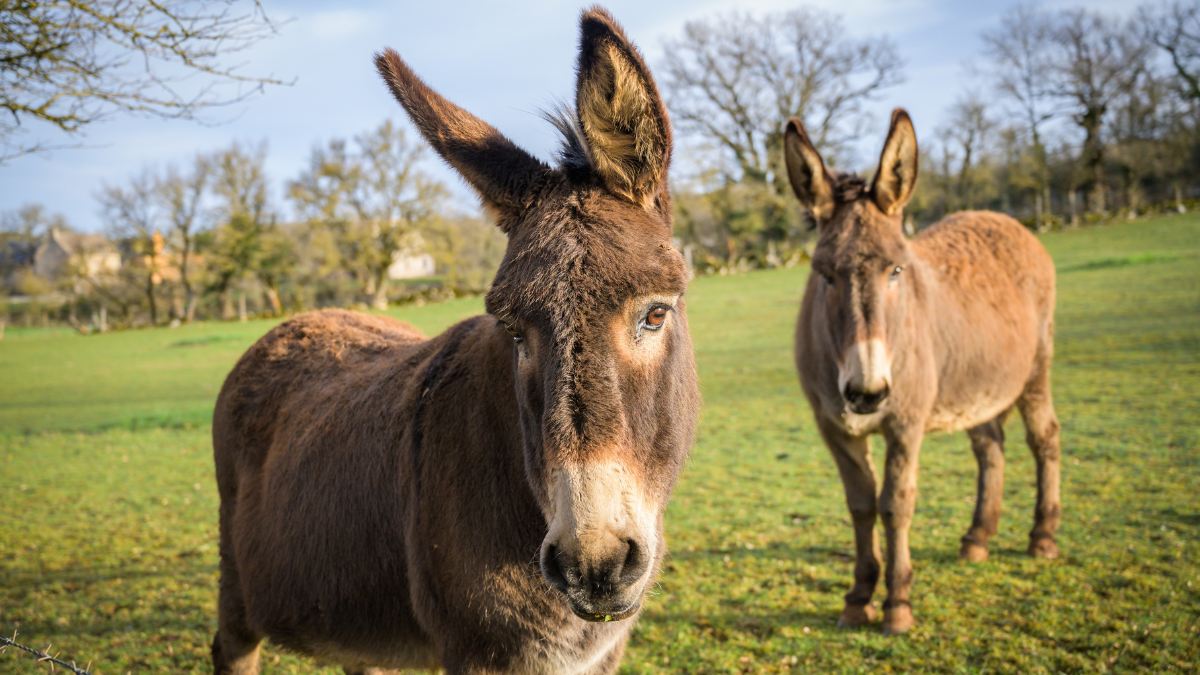
The unusual ritual, rooted in local folklore and cultural beliefs, was performed in the hope of pleasing Lord Varuna, the Hindu god of rain. The ceremony attracted villagers from nearby areas who gathered to witness the event and offer prayers for timely monsoon showers, fertile land, and freedom from drought.
For thousands of farmers, rainfall is critical for agriculture and the livelihoods of thousands of farmers. The Bayaluseeme belt, especially in Karnataka's dryland regions, plays a vital role in agriculture. Whenever the monsoon rains are delayed, communities often turn to traditional customs and religious rituals, believing they can invoke nature's blessings.
The symbolic donkey marriage is one such custom that has been passed down through generations. During the ceremony, the animals were decorated with colorful garlands and traditional ornaments. Rituals similar to those performed in a human wedding were conducted, such as tying a symbolic mangalsutra (sacred wedding thread), prayers, devotional songs, and blessings from village elders.
The event was organized not only as a cultural event but also to express a collective hope that the rains would provide crop inputs, replenish water bodies and be good for the overall agricultural landscape in the region, residents said.
The Bayaluseeme region of Karnataka experiences unpredictable rainfall, so farming is very dependent on the onset of the southwest monsoon. In years of delayed rains, there have been several rituals for divine intervention that have been observed in the past.
At the same time as donkey weddings, Karnataka and other parts of India have been known to have many traditional rain-invoking ceremonies in the past as well. These include symbolic frog weddings, prayers for Lord Varuna, processions with sacred idols, and rituals involving neem leaves and village deities. These are all very unusual things that outsiders might not know about or understand, but are very much cultural and emotional for rural people.
Cultural scholars say that such things are part of India’s rich folk traditions and reflect the close relationship between agriculture, faith and community life. And far from being regarded only as religious rituals, village functions are also occasions to build communities, strengthen bonds and express hope when conditions are so tough.
Although changes in weather patterns and more water scarcity have brought severe drought and shortages in agriculture, the traditional practices remain and are still being used in modern farming. Scientific weather forecasting is now a key factor in farming decisions, but for rural communities, the rituals are still very much a part of culture and faith.
The recent wedding in Challakere also reaffirmed that tradition still shapes rural life in Karnataka. And for the villagers, the symbolic wedding was more than a ritual but a genuine prayer for rains and healthy crops for all the people.
Whether through culture, folklore, or faith, the event is a reminder of the many traditions that have been here in the past and in the present that are related to nature and agriculture in rural India’s countryside and are still part of the way of life, and are still going on in people’s relationship with nature and agriculture in rural India.