The Chief Justice of India Surya Kant said on Thursday he would intervene if the Supreme Court Metro station hadn’t been reopened by lunchtime after the Supreme Court Bar Association (SCBA) raised concerns about the closure of several Delhi Metro stations, amid continuing student protests in the national capital.
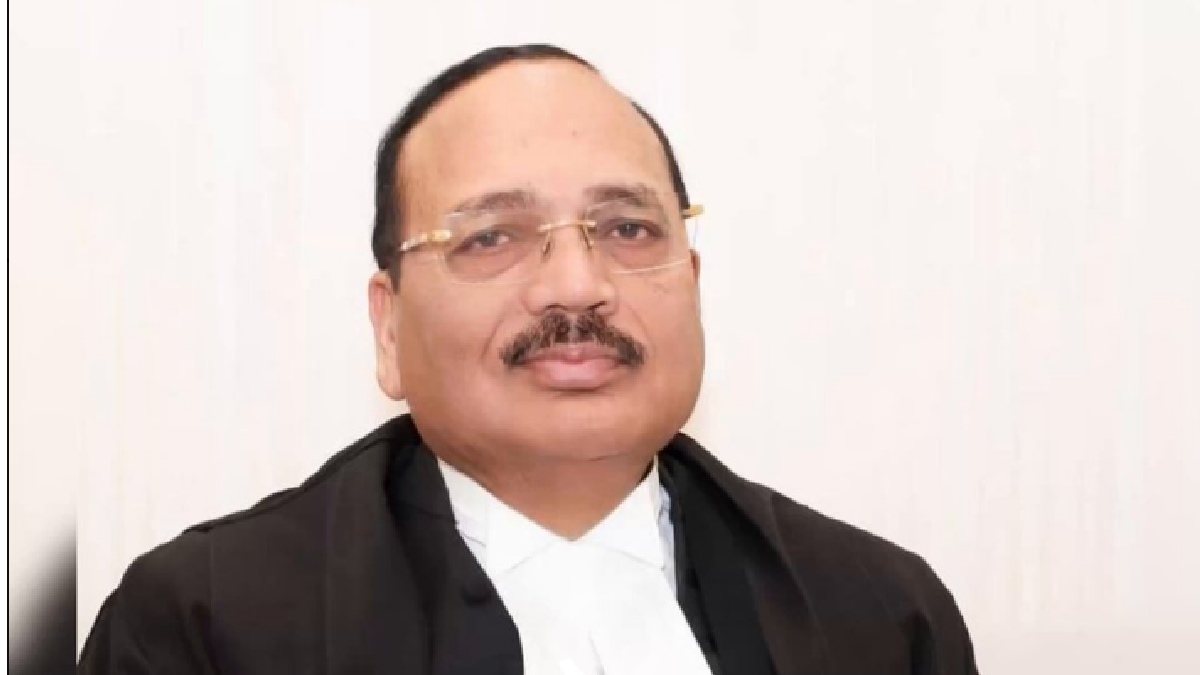
The issue was raised before a bench headed by CJI Surya Kant by SCBA President Vikas Singh, who observed how lawyers, litigants and court staff are having difficulty due to the closure of metro stations, including the station close to the Supreme Court.
Singh said the closure has already affected access to the judicial complex and there has been great inconvenience for people who are dependent on public transport to enter the court. The Chief Justice said he had already asked the Supreme Court administration to consult with DMRC, the Delhi Metro Rail Corporation and determine how to resolve the problem.
“If nothing is done by lunchtime to reopen them, and if the DMRC has not taken any action by then, we will look into the matter,” CJI Surya Kant said.
The Chief Justice also assured the Bar that lawyers would not face adverse judicial consequences merely because they were unable to reach the court due to the Metro shutdown.
“I told them in the morning. It is up to them to talk to the authorities. He is looking at this as a solution, too,” said the CJI. “If by lunchtime there is a solution, that is fine. But if my intervention is needed, I will do,” he said.
SCBA would like to see restricted access at the metro station.
SCBA President Vikas Singh suggested a restricted-access arrangement to tackle security issues and allow essential court users in the station access.
Under the proposed system, lawyers, litigants and Registry staff with valid Supreme Court proximity cards or official identification would be allowed to exit the Supreme Court Metro station after security checks are performed.
“In the Metro, there is one advantage that when they come out of the train, there is an exit point. There they can be screened. People with proximity cards and Registry staff can be allowed to come out, and the rest can be told to take the other train and go,” Singh said.
As students protested under a banner of student protest, the DMRC closed 16 Metro stations in central Delhi as security measures. The Supreme Court Metro station was among the stations affected.
CJI had earlier declined urgent plea over police action.
The latest development comes less than a day after Justice Surya Kant did not take into account a plea for urgent action by the Supreme Court to intervene over alleged police excesses during protests at Jantar Mantar.
A lawyer had asked the Chief Justice-led bench to take suo motu cognisance of videos of police action against protesters on Wednesday morning. The lawyer also addressed the bigger issue of the demonstrators making allegations of fraud on NEET-UG 2026 and calls for a review of the National Testing Agency.
The CJI, however, refused to hold an urgent hearing and remarked that the court was not interested in watching videos in the matter.
The Cockroach Janta Party (CJP) protests have been ongoing for almost a month. Demonstrators have been demanding accountability for alleged examination violations and the resignation of Union Education Minister Dharmendra Pradhan.
Education activist Sonam Wangchuk had also joined the agitation with an indefinite hunger strike before being removed from the protest site. The CJP’s ‘Chalo Sansad’ march later witnessed heavy police deployment and clashes, following which several Metro stations in central Delhi were closed as a security precaution.
The Supreme Court’s new intervention warning has only made it more difficult to get through security restrictions and public access in the capital.